Discover Sikinos’ remarkable Episkopi Monument — a rare Roman mausoleum transformed into a Byzantine church, recently restored to reveal hidden inscriptions, ancient frescoes, and a sealed aristocratic burial of extraordinary significance.
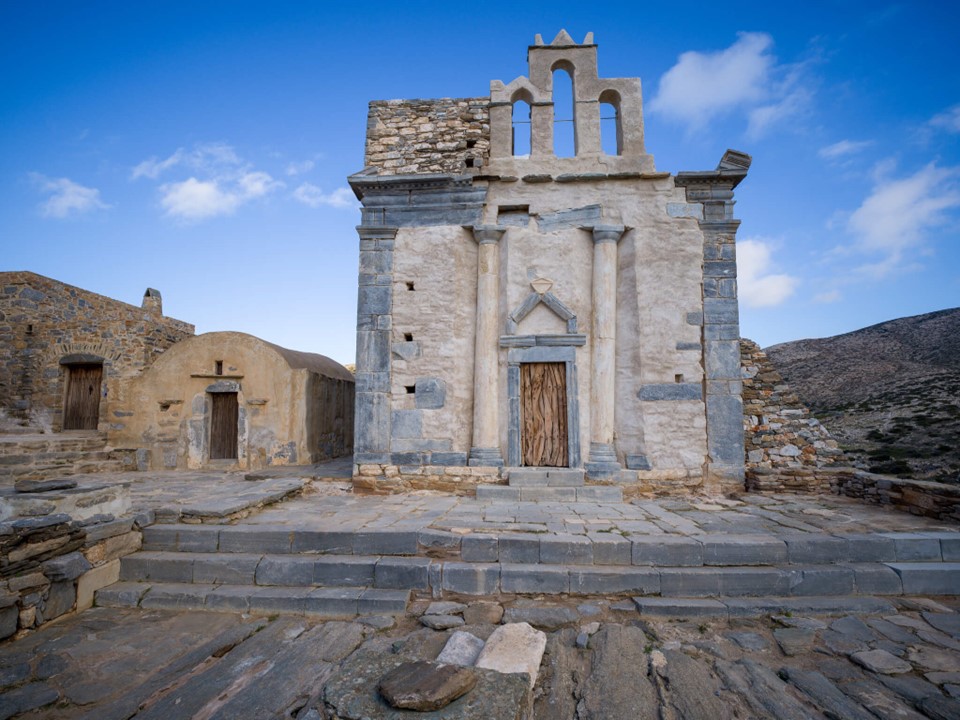
Discover Sikinos’ remarkable Episkopi Monument — a rare Roman mausoleum transformed into a Byzantine church, recently restored to reveal hidden inscriptions, ancient frescoes, and a sealed aristocratic burial of extraordinary significance.
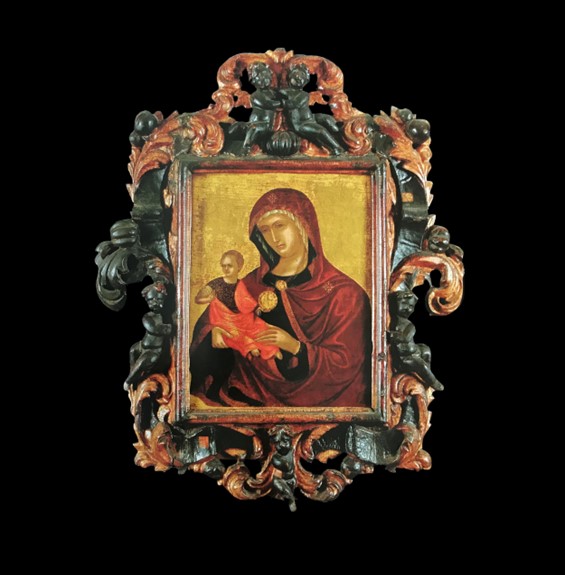
Inspired by the decree of the Second Council of Nicaea, this refined 15th-century Madre della Consolazione icon blends Byzantine tradition with Italo-Cretan influences, expressing tenderness, devotion, and artistic elegance.
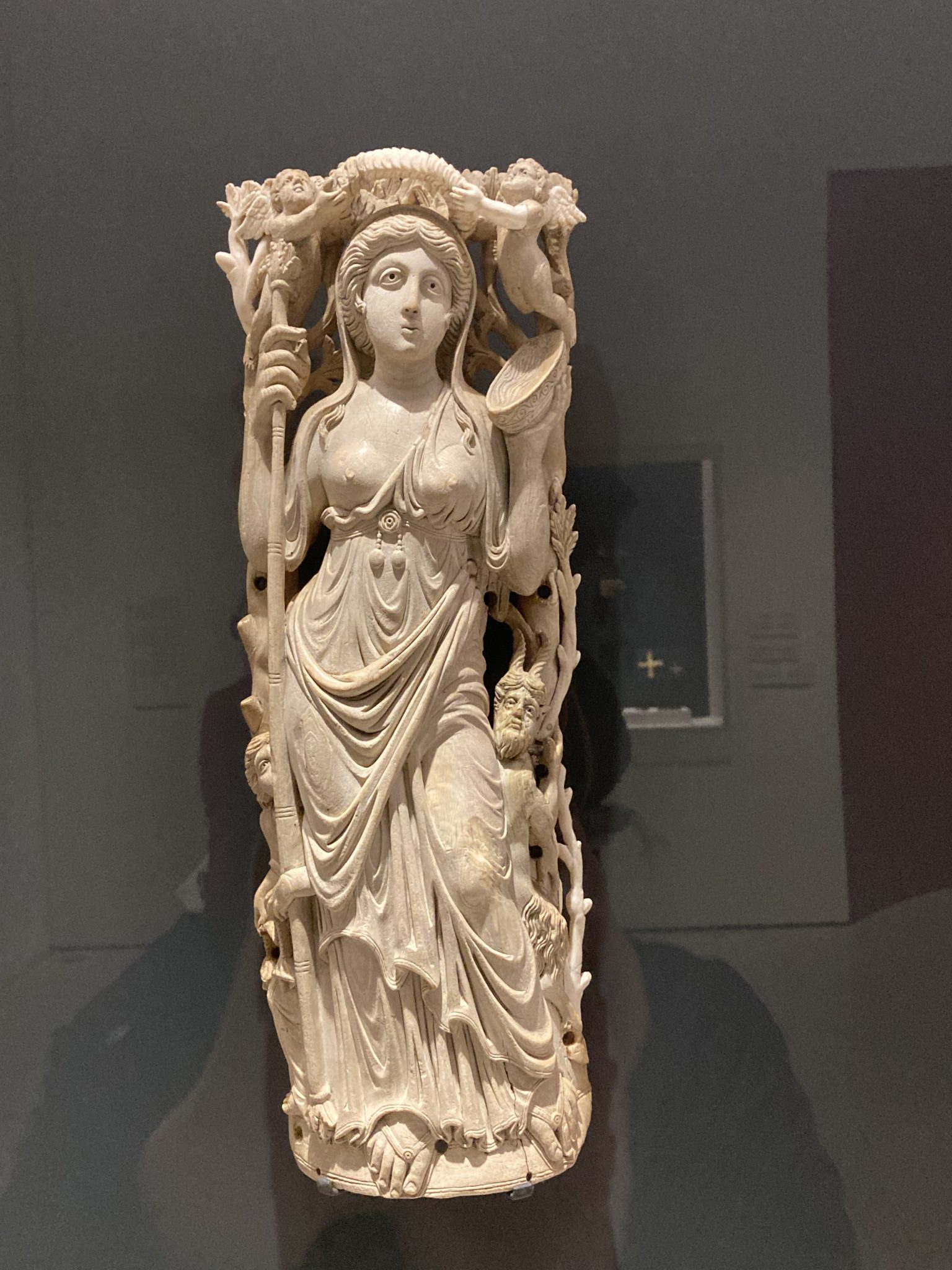
This Byzantine ivory from Constantinople shows Ariadne amid Dionysiac figures, likely from luxury furniture, now at the Musée de Cluny, reflecting myth, refinement, and classical themes reinterpreted in Late Antiquity.
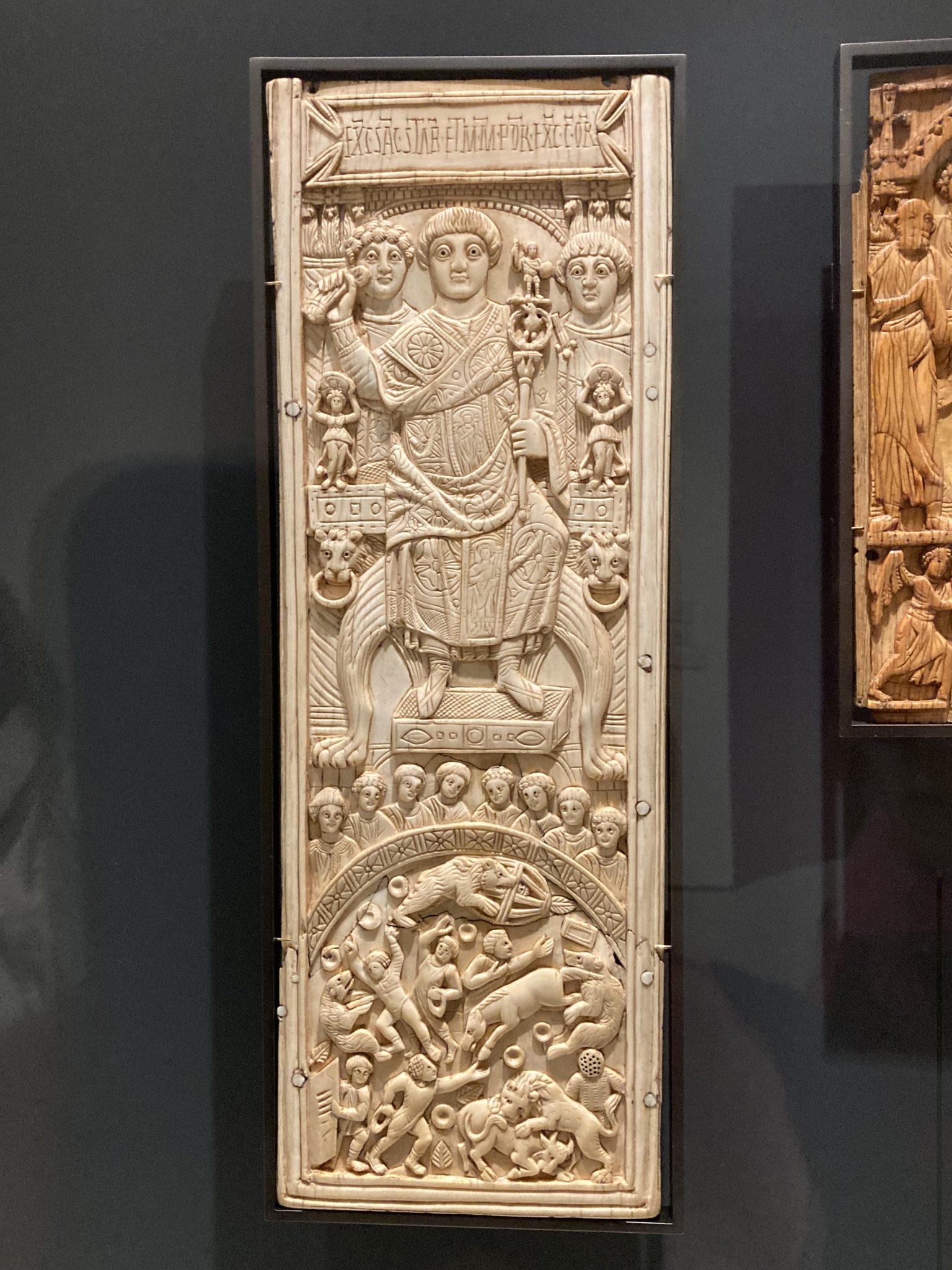
At the Cluny Museum, the ivory diptych of Consul Areobindus captures ceremonial power, intricate artistry, and Byzantine spectacle, linking personal memory with the enduring legacy of late Roman political symbolism.
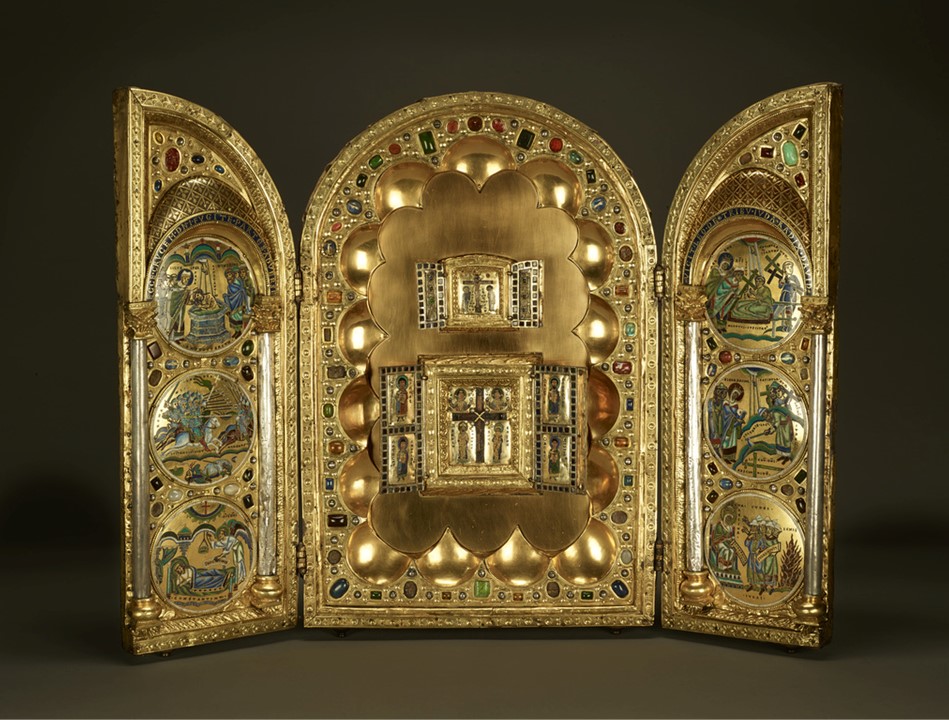
The Stavelot Triptych unites Byzantine and Romanesque traditions, blending Eastern symbolism with Western narrative, while its precious materials and relics embody artistic exchange, spiritual devotion, and the cultural dialogue of the 12th century.
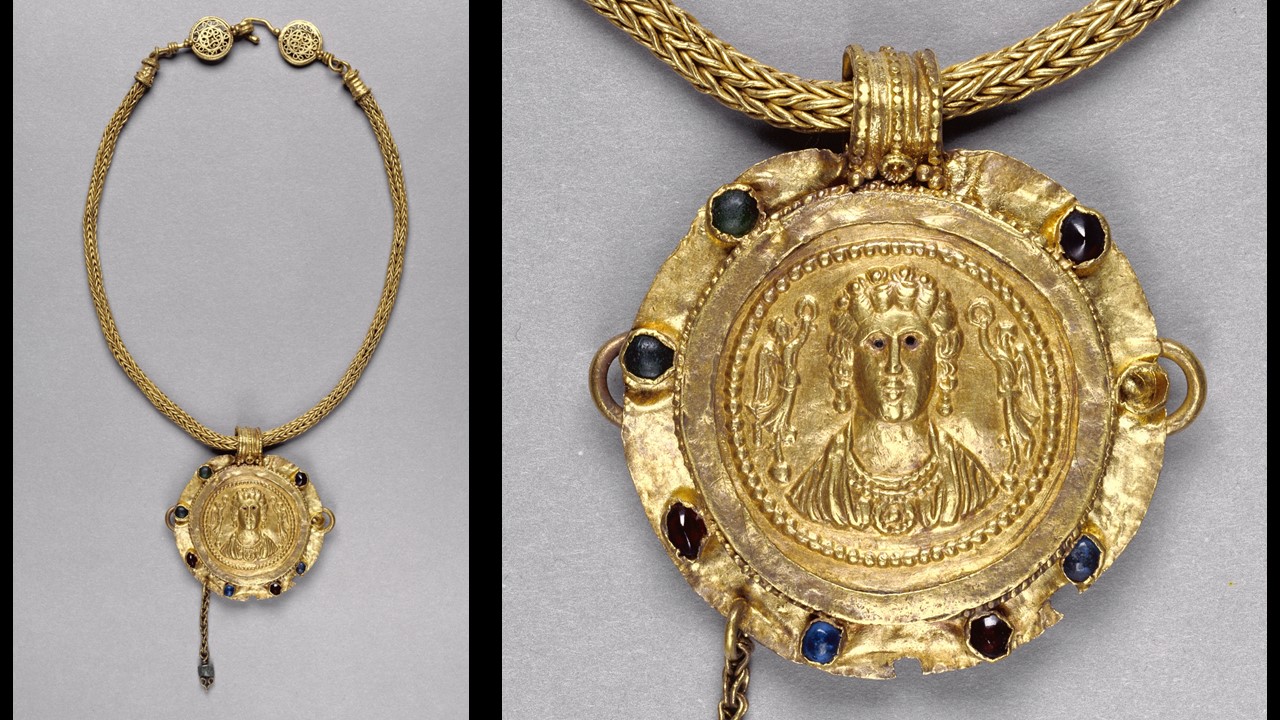
The pendant in the Getty collection cannot be securely identified as Aelia Flacilla. Although its imperial iconography and late 4th-century date place it within the Theodosian milieu, the lack of inscriptions or provenance makes any specific portrait attribution—however tempting—ultimately speculative rather than demonstrable.
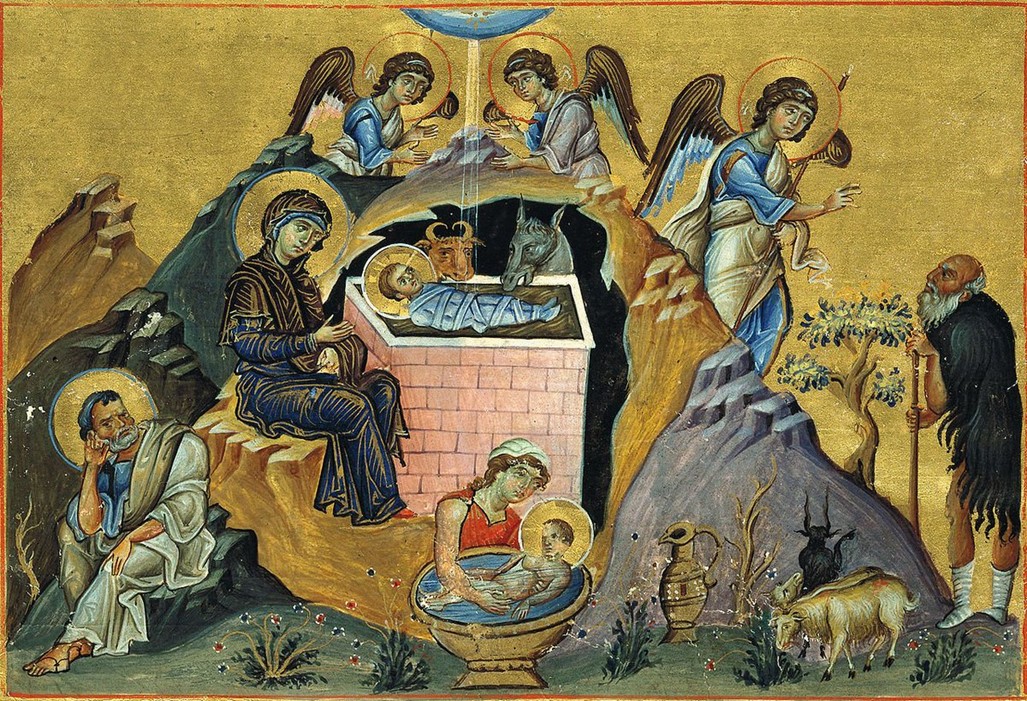
The Nativity in the Menologion of Basil II presents Christ’s birth not as a simple narrative scene but as a visual theology of light and revelation. In Byzantine thought, the birth of Christ is understood as the “light of knowledge” entering the world, replacing the guidance of the stars with a higher form of divine illumination.
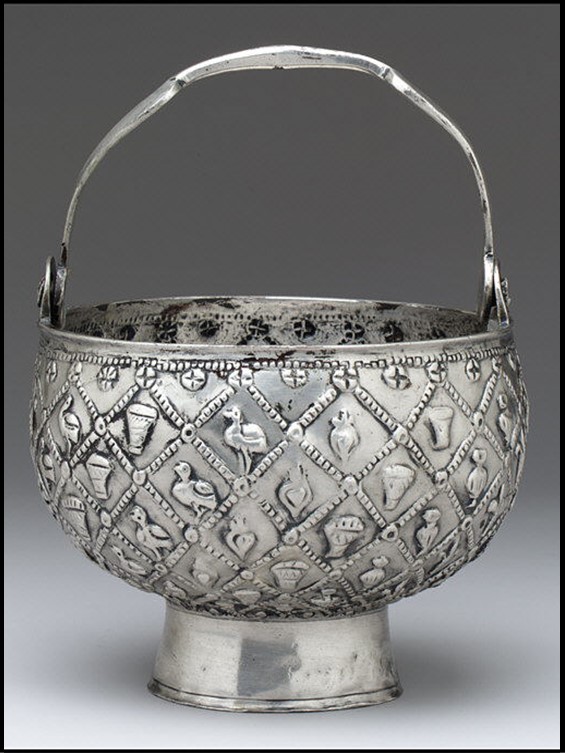
Unearthed in 1901 near Albania’s Via Egnatia, the Vrap Treasure’s exquisite Byzantine Silver Bucket — repoussé birds, flowers, and mysteries intact — captivates still from the MET.
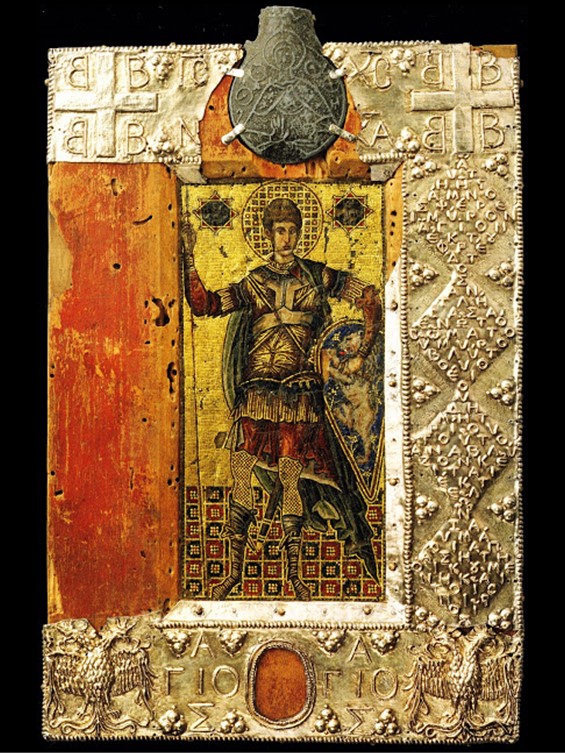
Sassoferrato’s breathtaking micromosaic Saint Demetrios — soldier, miracle-worker, holy oil and all — distills Byzantium’s final glorious artistic flowering into one extraordinary 24cm treasure.
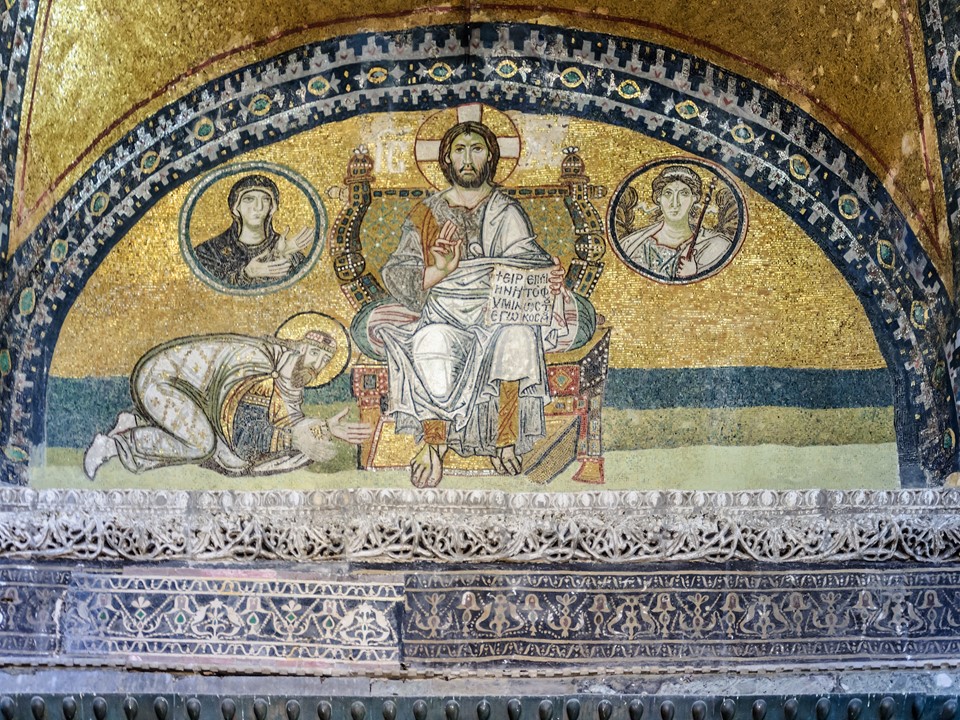
The Hagia Sophia narthex mosaic of Christ and Emperor Leo VI endures as both art and message—an image of imperial humility and divine authority, crafted to speak across centuries.