Childeric I’s golden bees — stolen, partially lost, yet immortalized on Napoleon’s coronation robe — connect a 5th-century Frankish king to France’s grandest imperial ambitions and enduring national identity.
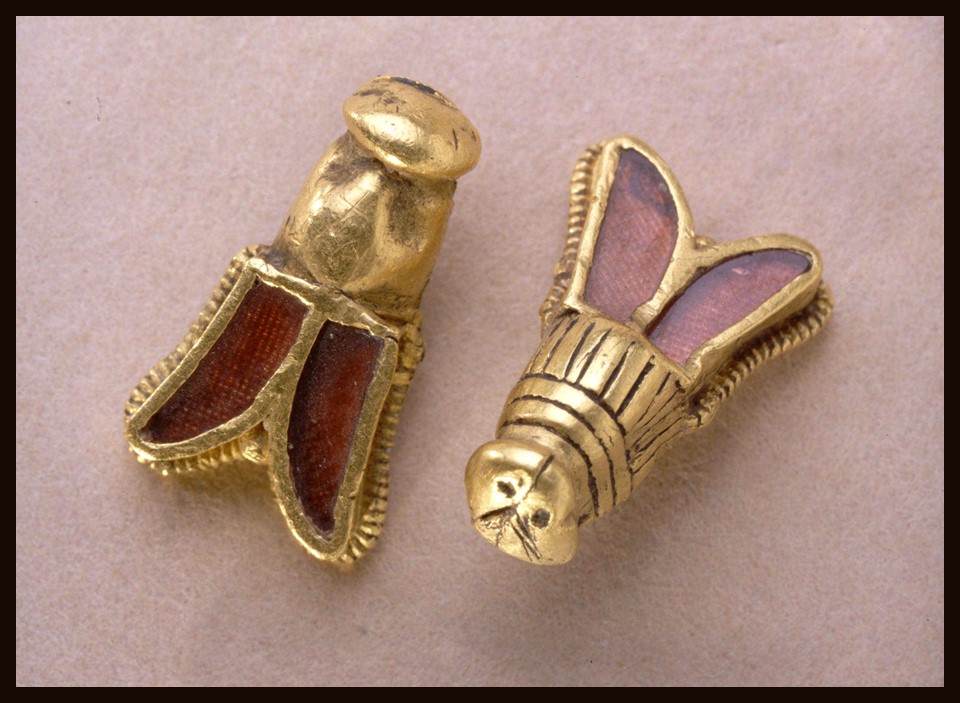
Childeric I’s golden bees — stolen, partially lost, yet immortalized on Napoleon’s coronation robe — connect a 5th-century Frankish king to France’s grandest imperial ambitions and enduring national identity.
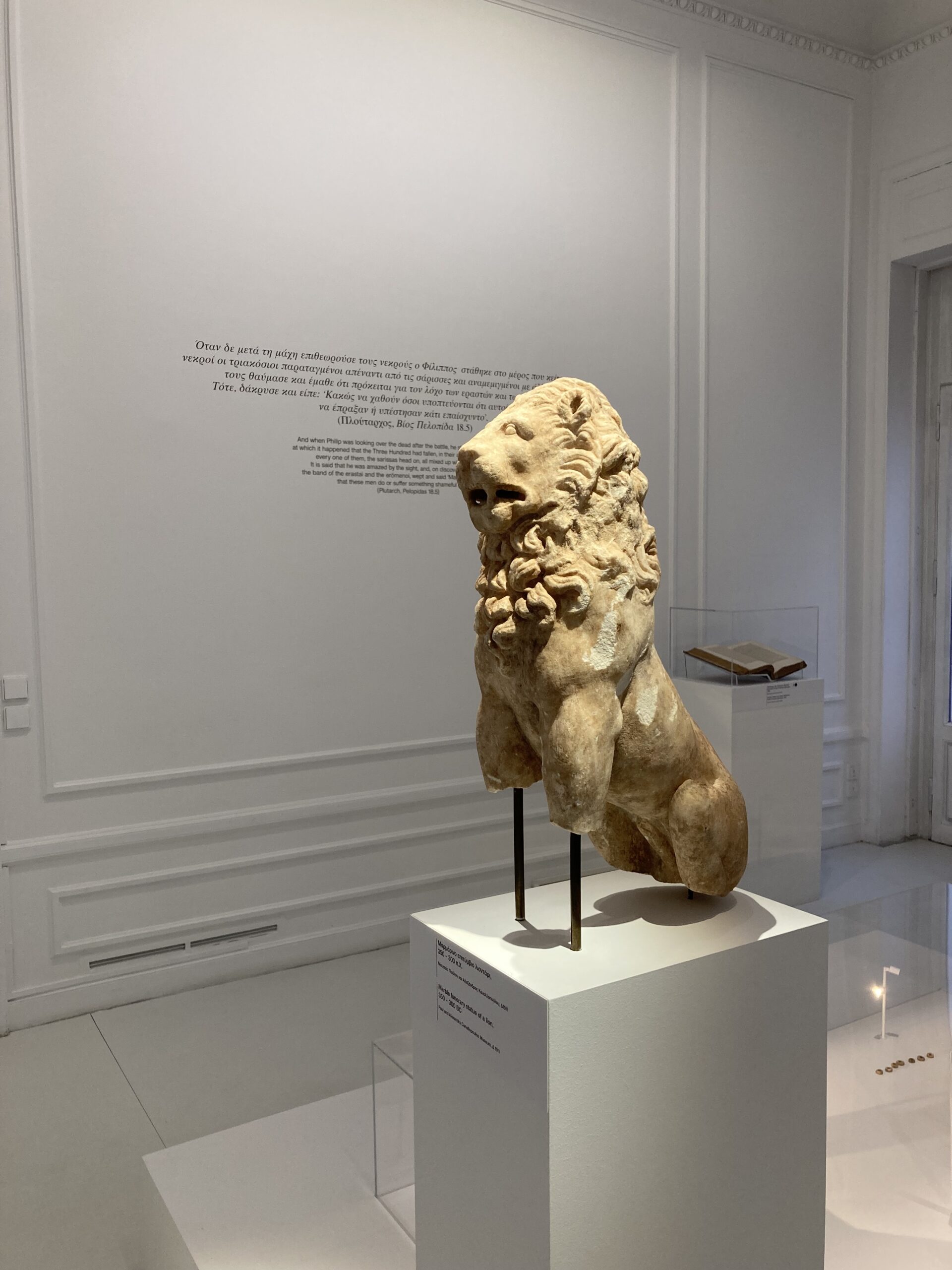
Two marble lions — one intimate, one monumental — guard the memory of ancient Greece’s fallen heroes, where the Battle of Chaeronea forever changed the course of Western civilization.
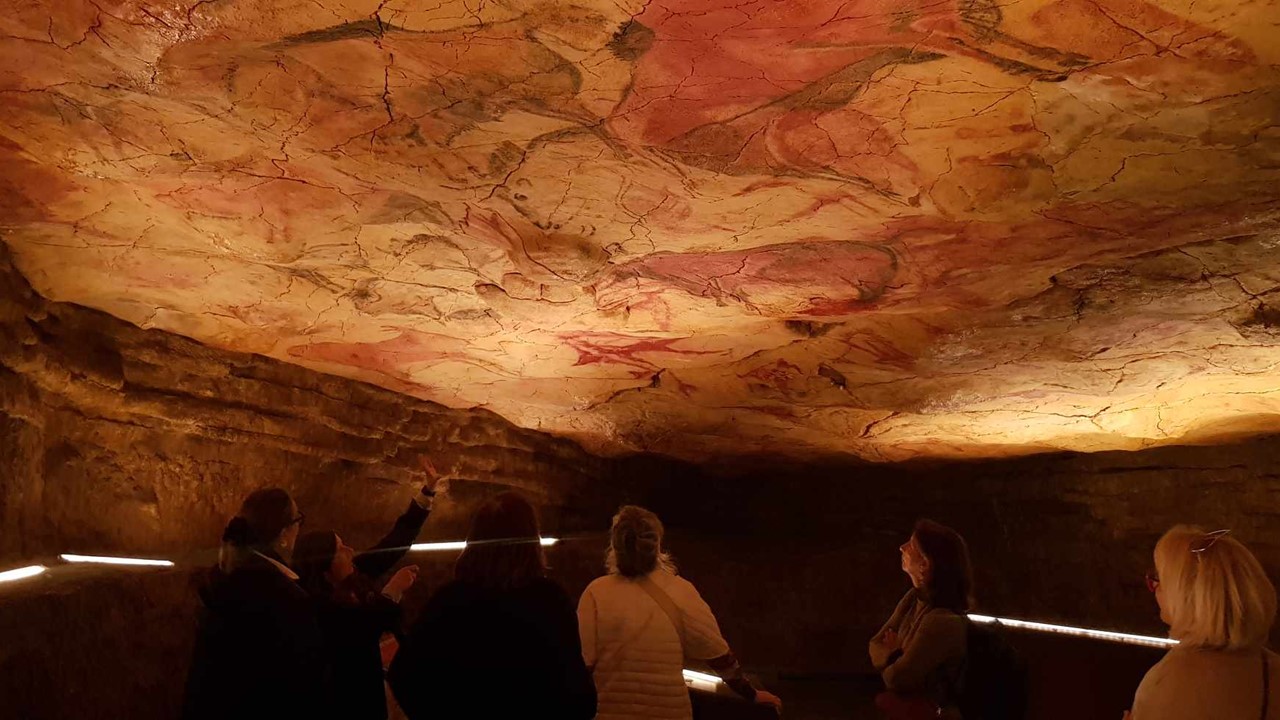
Eight-year-old María’s upward glance revealed Altamira’s breathtaking prehistoric bison — humanity’s earliest artistic masterpieces, painted 20,000 years ago on northern Spain’s extraordinary cave ceiling.
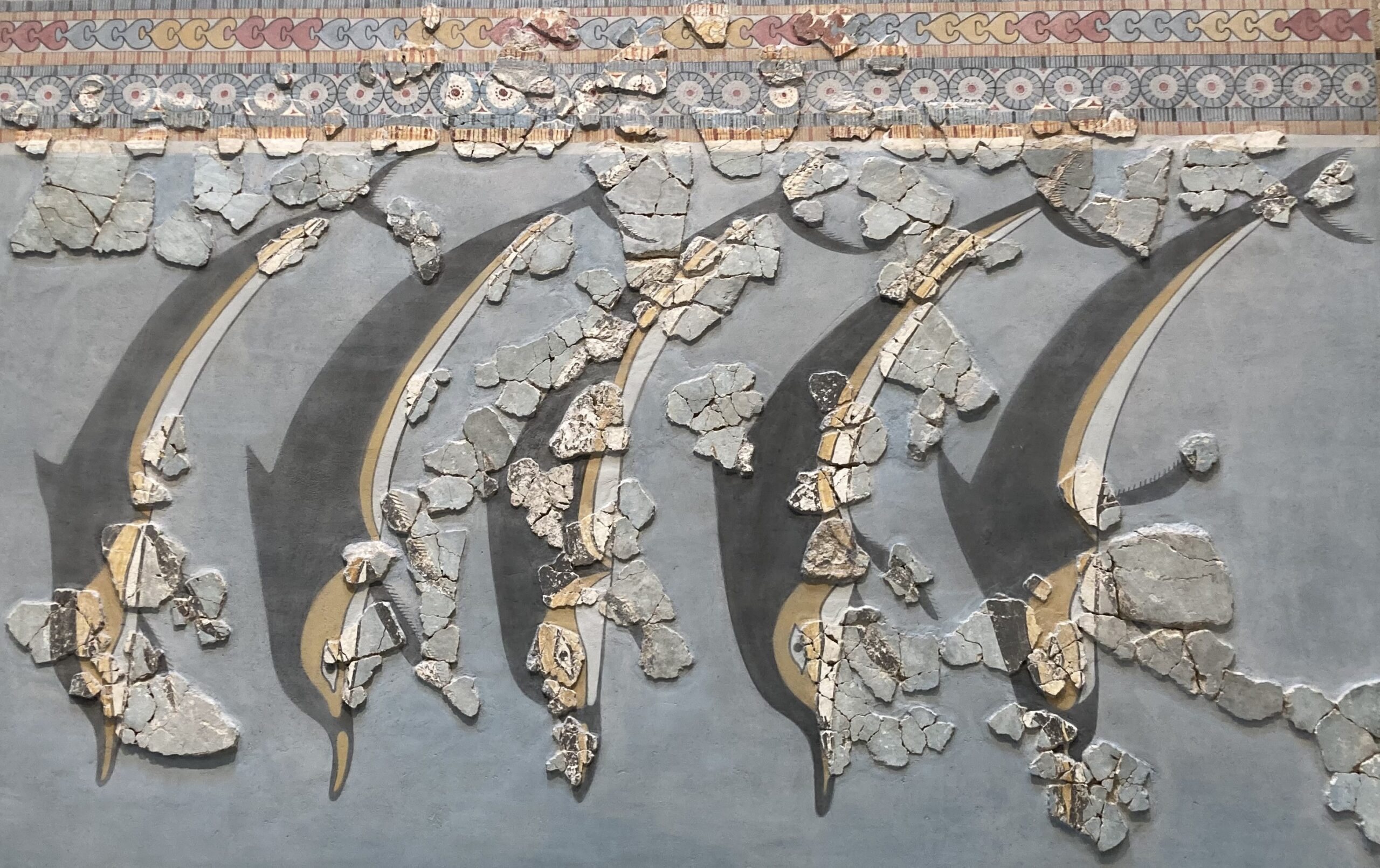
The Dolphin Frieze reveals Mycenaean artistry at its most vibrant, its graceful marine forms capturing technical brilliance, naturalistic beauty, and the enduring Aegean fascination with the sea.
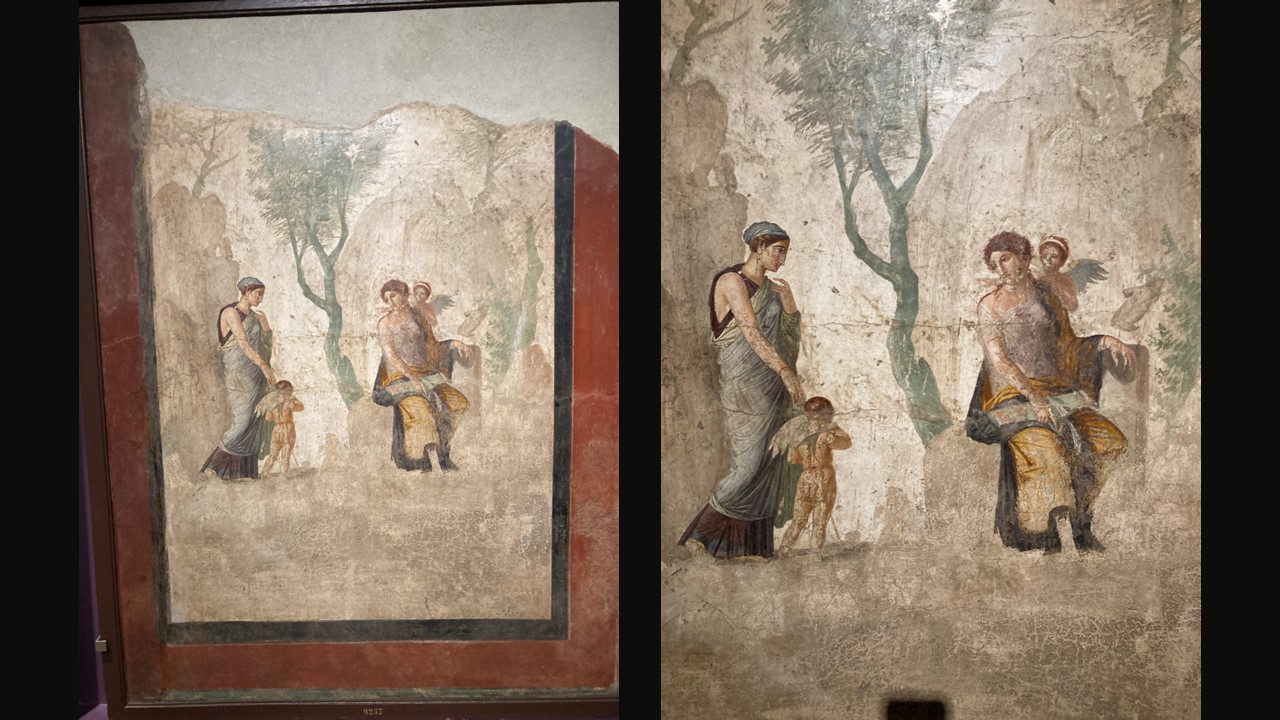
A Pompeiian fresco freezes divine family drama — tearful Eros led to a stern Aphrodite, while young Anteros watches — capturing love’s mischief, consequence, and beautifully reciprocal nature.
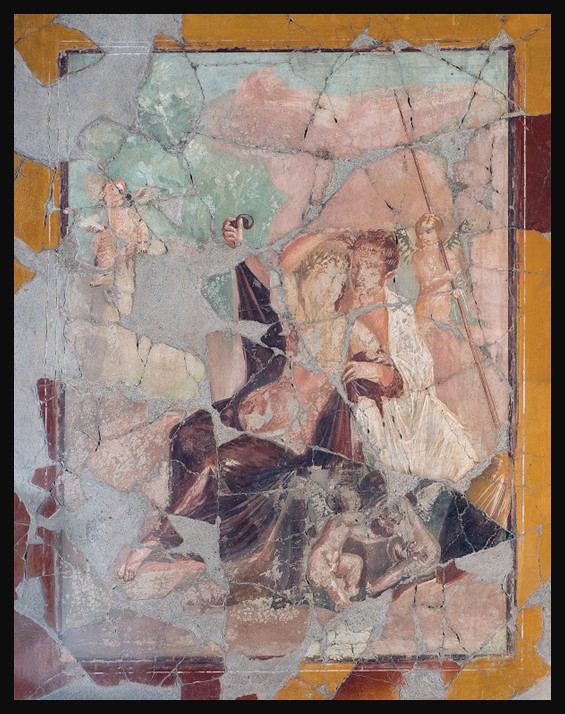
Herculaneum’s House of the Bicentenary — mythological frescoes, opulent mosaics, and noble elegance frozen in time — survives Vesuvius and centuries of decay through extraordinary modern conservation efforts.
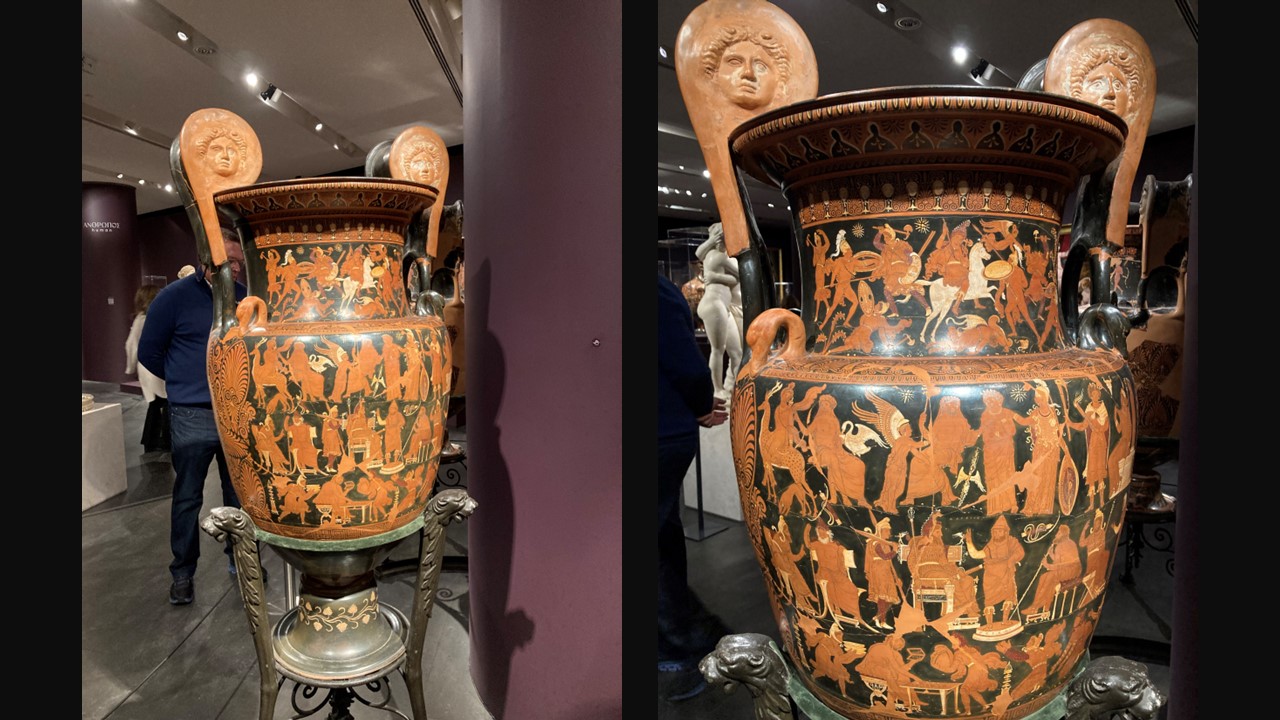
The monumental Darius Vase — gods, Persian kings, and Alexander’s triumph across four registers — stands as Apulian pottery’s most ambitious, historically captivating, and visually extraordinary masterpiece.
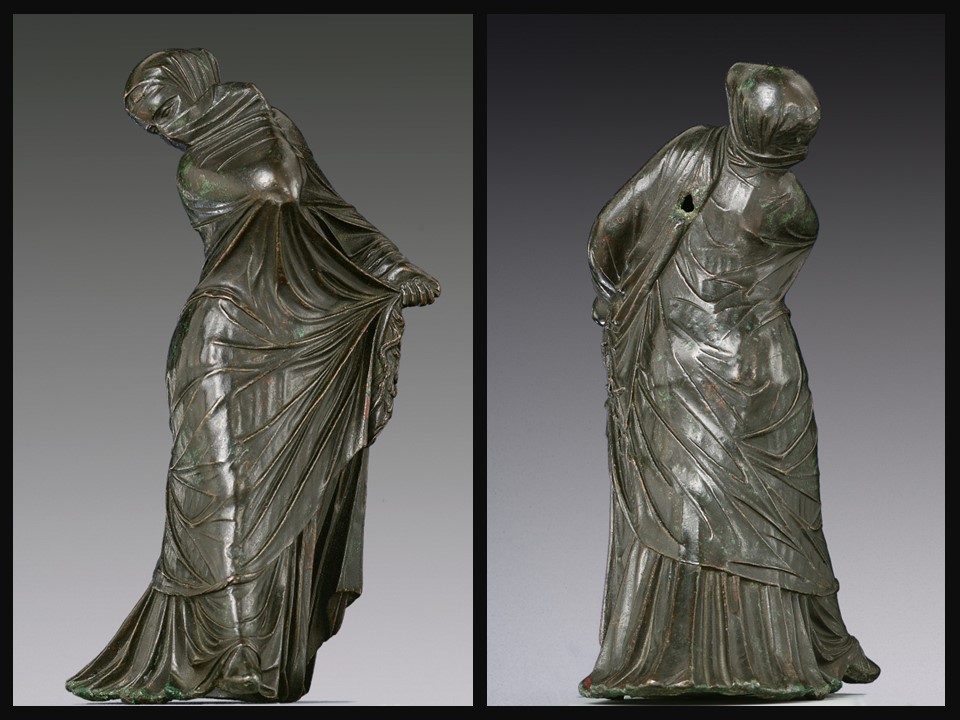
Veiled in motion, the Bronze Hellenistic Dancer embodies the fleeting poetry of dance—an intimate, sensuous performance capturing Hellenistic grace, emotion, and the allure of movement suspended in time.
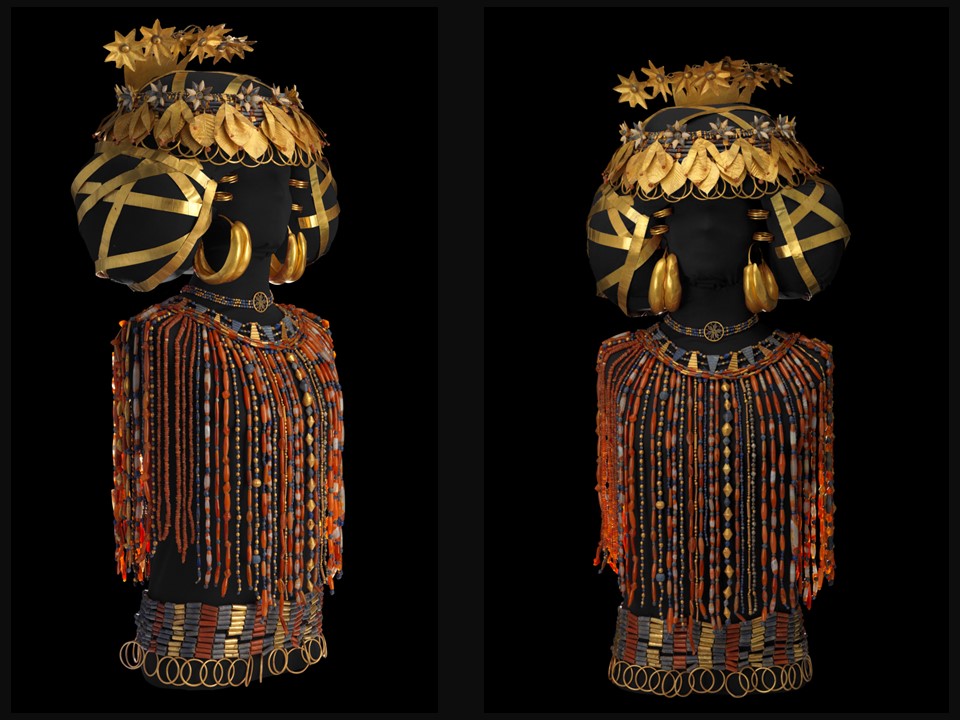
At Royal Cemetery of Ur, Puabi emerges as a figure of power and splendor, her golden regalia and lapis-lazuli adornments reflecting elite status, ritual authority, and the enduring legacy of early Mesopotamian civilization.
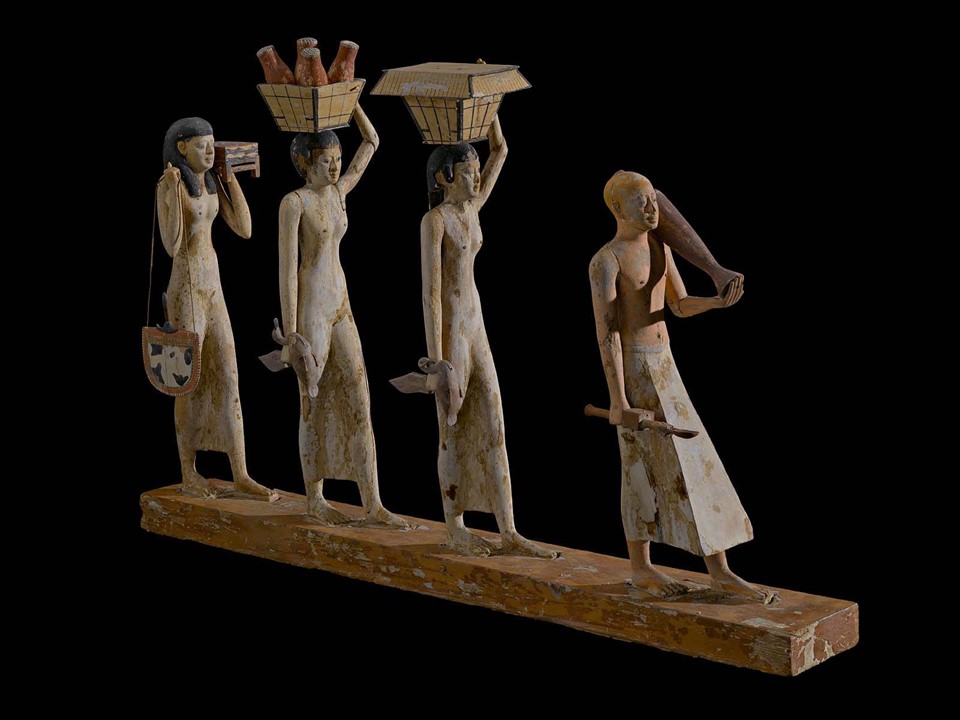
The Bersha Procession captivates with refined craftsmanship and vivid detail, transforming humble wood into a lively vision of ritual, devotion, and daily life in ancient Egypt’s afterlife beliefs.