Discover the Tomb of the Leopards in Necropolis of Monterozzi—a vivid vision of banquets, music, and joyful afterlife in Etruscan culture.
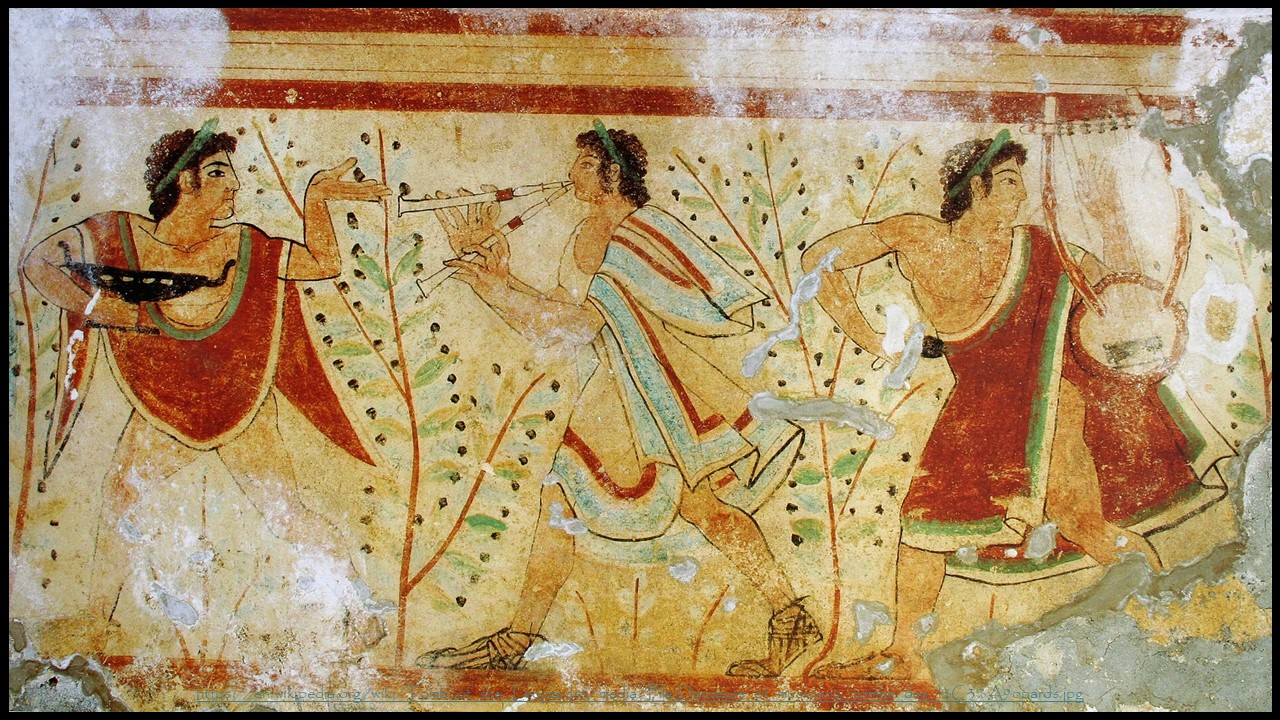
Discover the Tomb of the Leopards in Necropolis of Monterozzi—a vivid vision of banquets, music, and joyful afterlife in Etruscan culture.
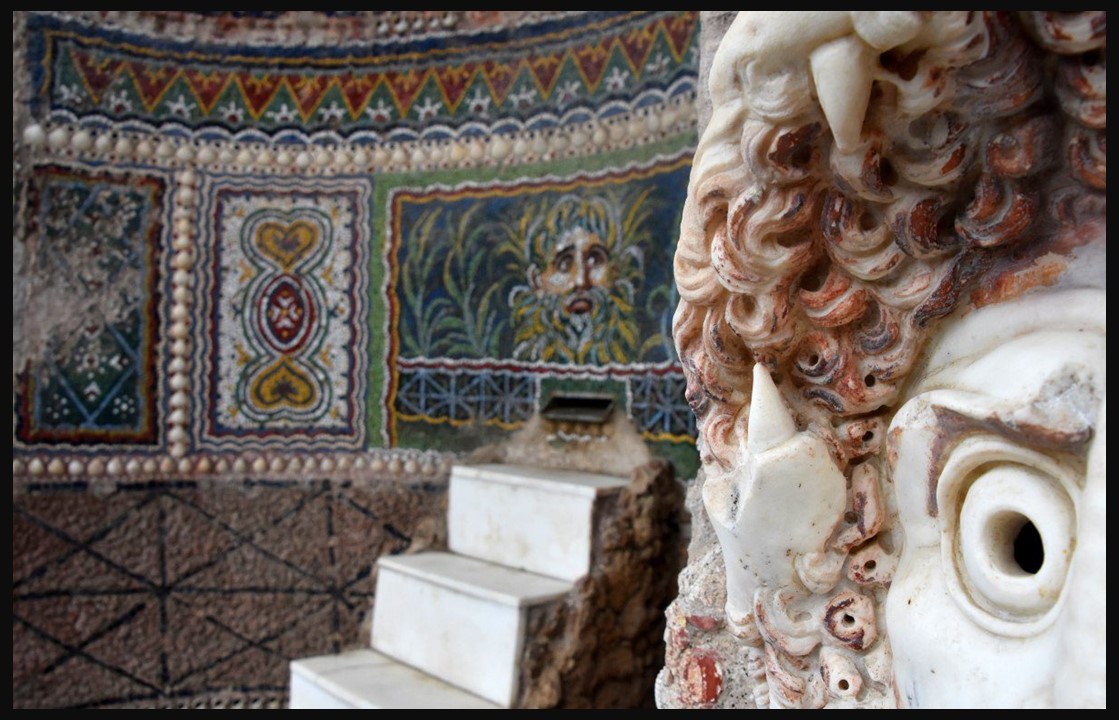
Explore the House of the Large Fountain—a luxurious residence in Pompeii famed for mosaics, sculpture, and its elaborate garden fountain reflecting elite Roman domestic life.
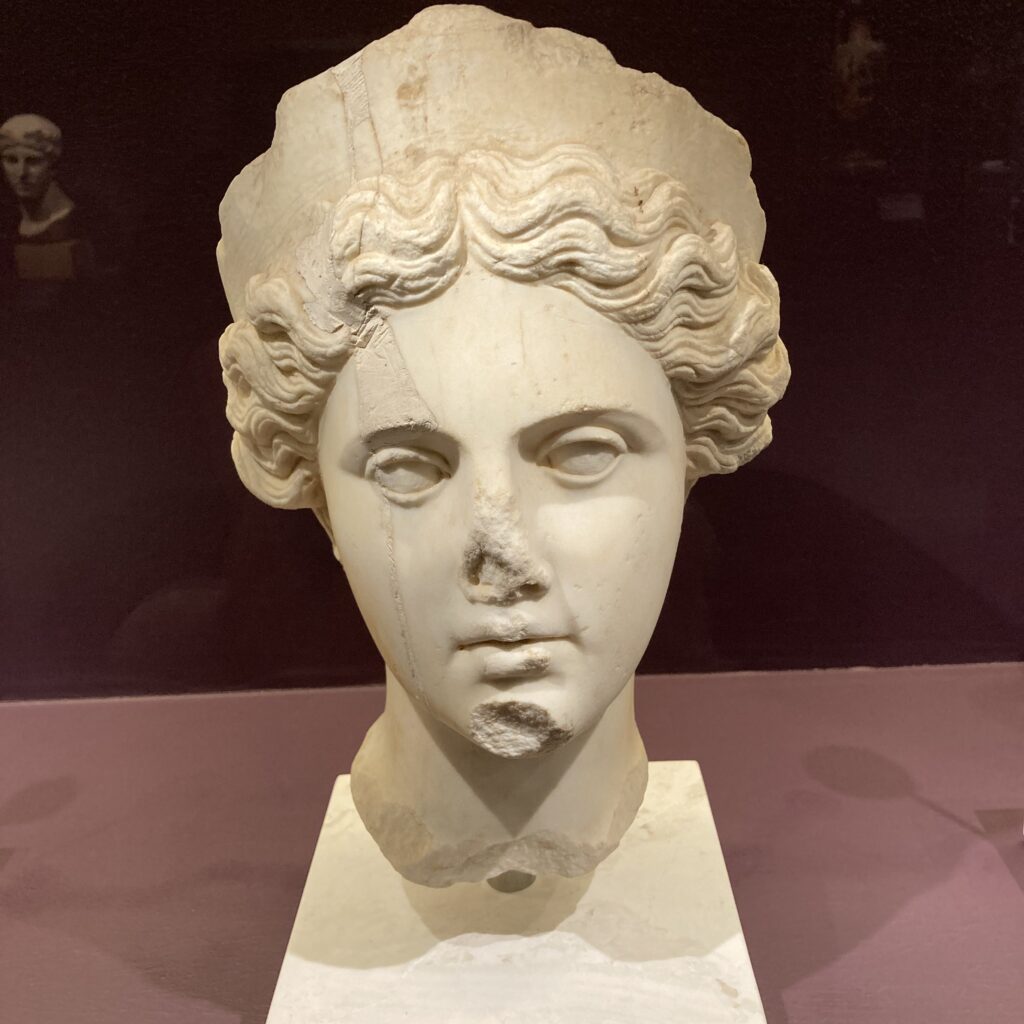
Standing before the Head of Nemesis, I can almost feel the weight of divine retribution she carries — the ever-watchful enforcer of balance, striking down human arrogance.
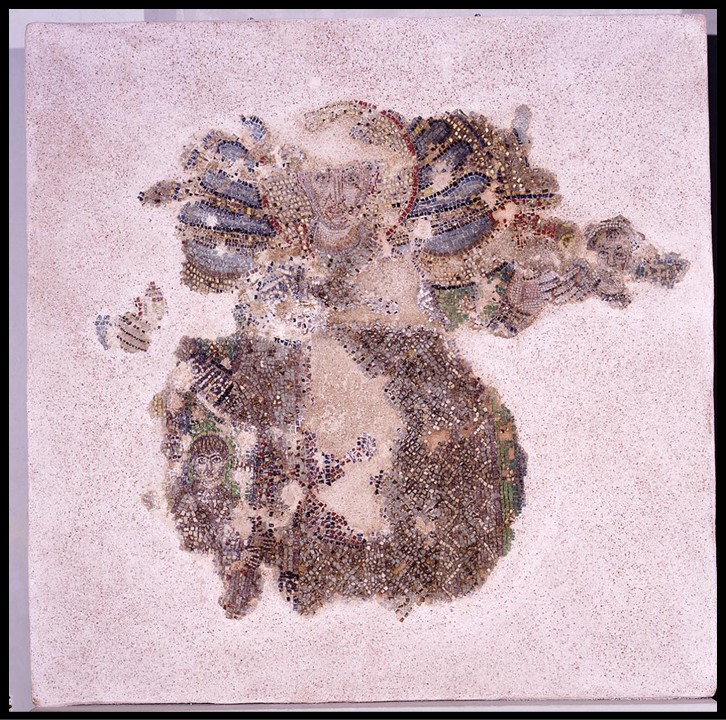
Unearthed in 1907, lost forever in Thessaloniki’s catastrophic 1917 fire, this surviving mosaic fragment of Saint Demetrios — patron, protector, martyr — remains a breathtaking link to Byzantine devotion.
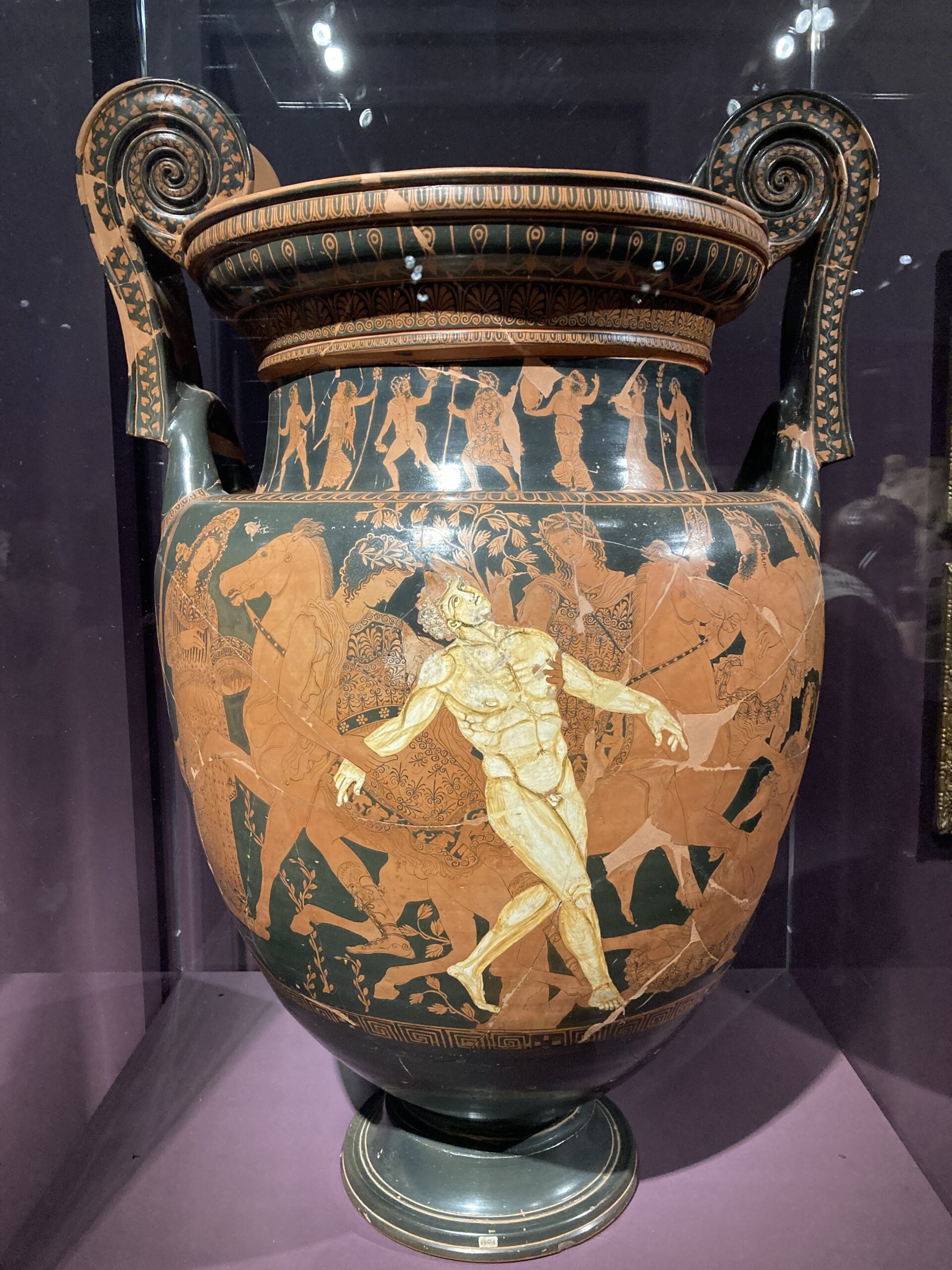
The Talos Vase masterfully captures antiquity’s bronze automaton in his final, powerful collapse — Medea, the Argonauts, and watchful gods bearing witness to mythology’s most extraordinary death.
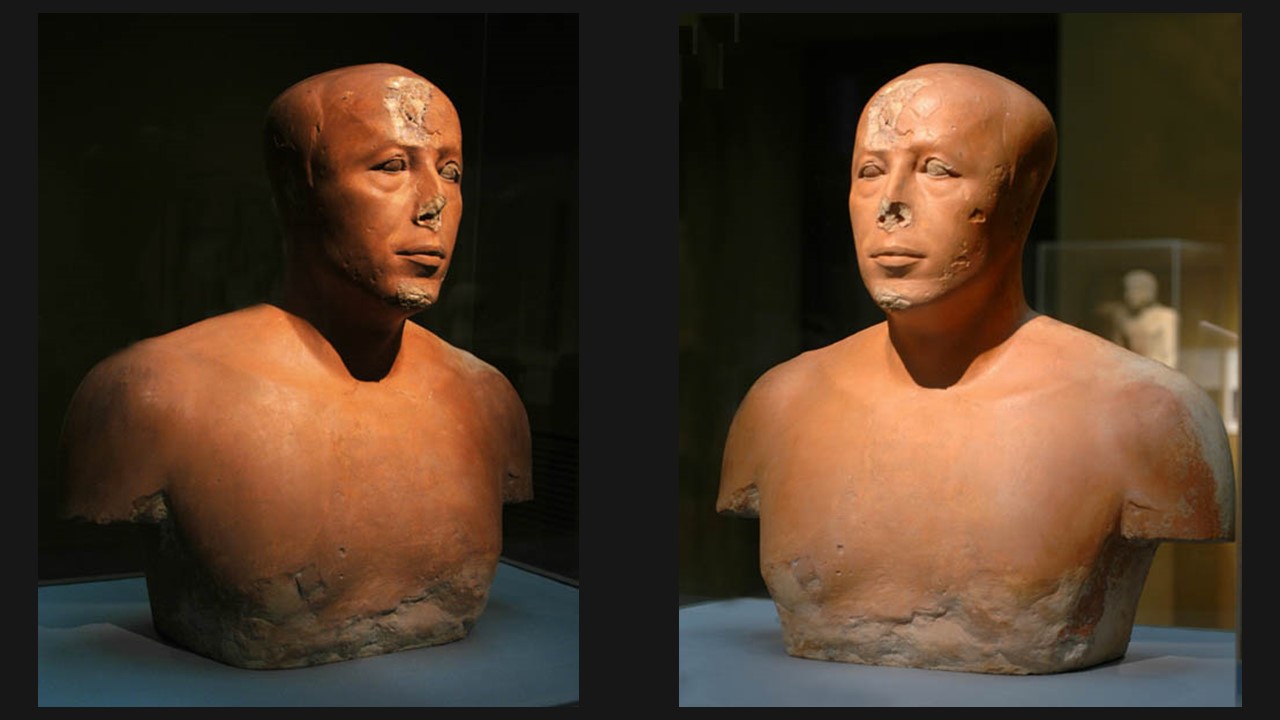
Among ancient Egypt’s stylized art, the startlingly realistic Bust of Prince Ankhhaf stands apart — a powerful, intimate portrait of the man who helped build the Great Pyramid.
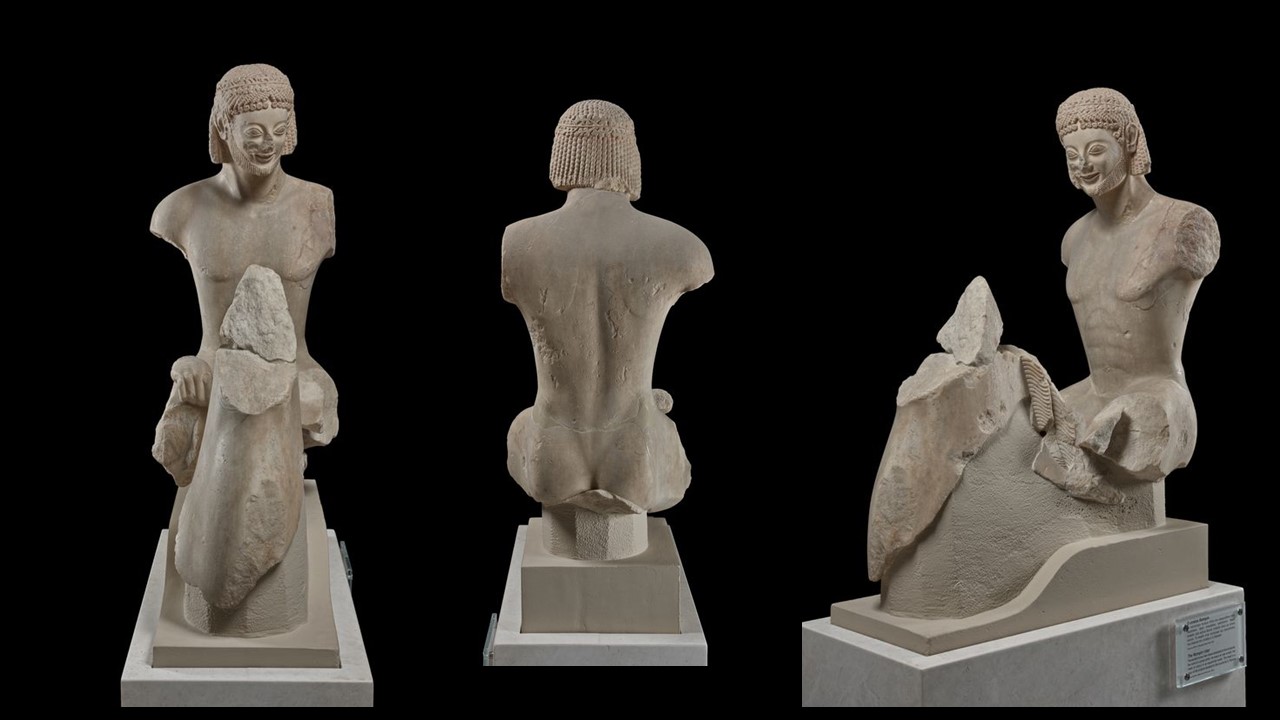
The Rampin Rider — Athens’ oldest equestrian statue, his archaic smile split between the Louvre and the Acropolis Museum — eternally celebrates aristocratic victory, youth, and athletic glory.
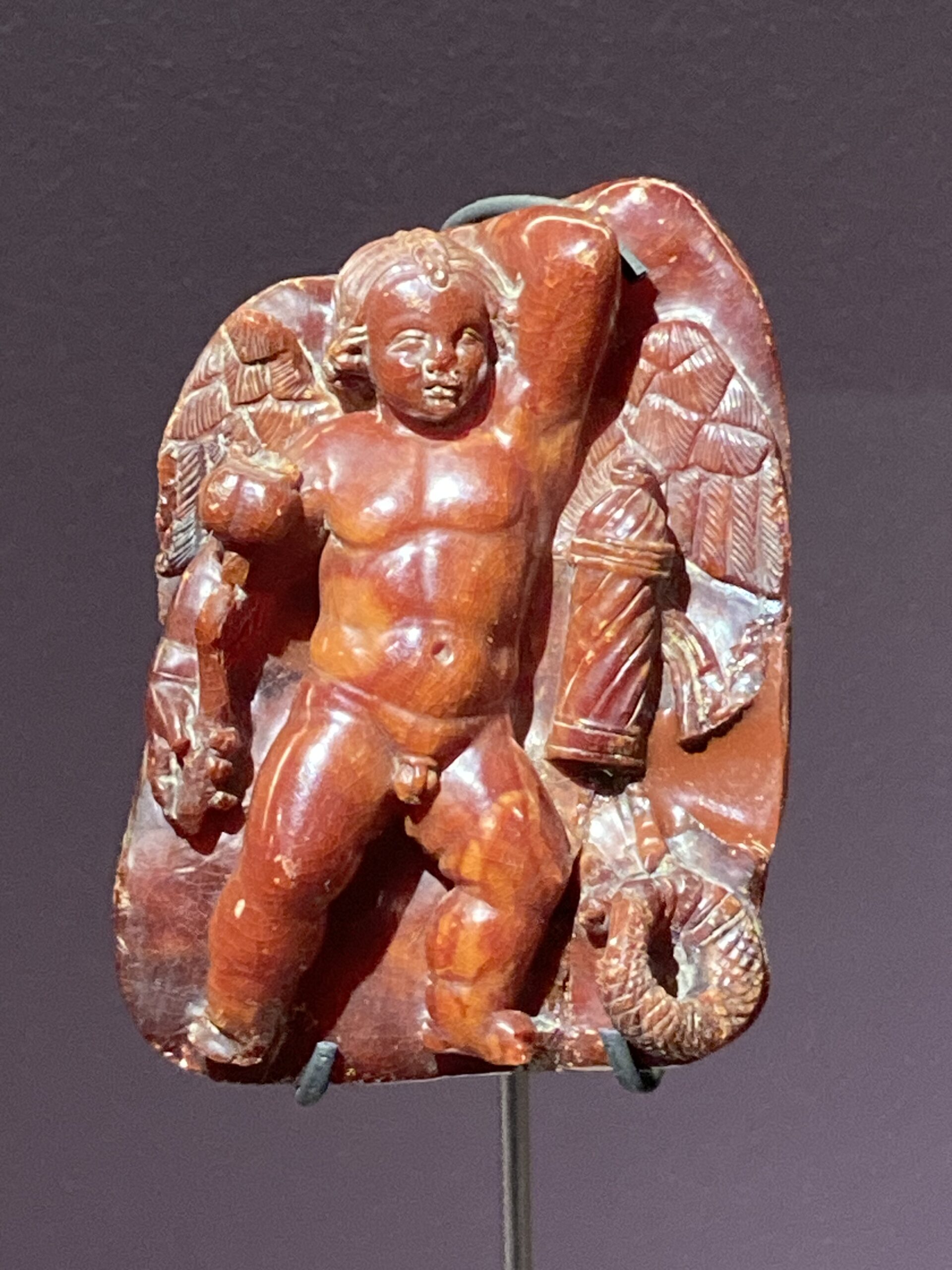
In amber’s golden warmth, a sleeping Eros finally rests — the unruly god of love momentarily stilled, clutching a poppy, in this exquisite Roman treasure from Trieste.
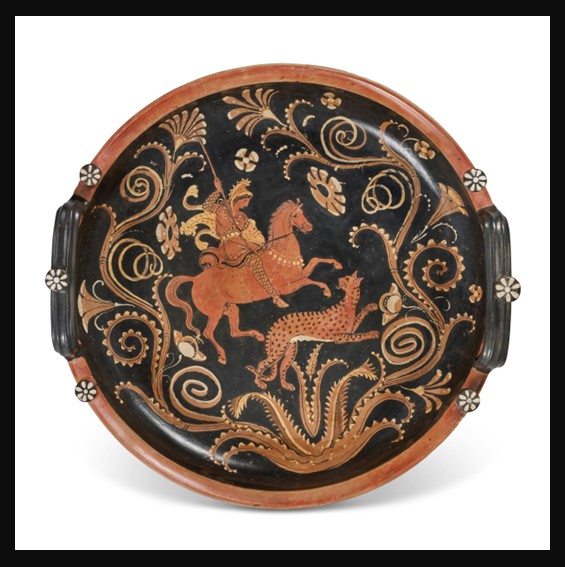
This exquisite Apulian patera — an Amazon on horseback, winged Eros dancing on its exterior — showcases ancient Apulia’s extraordinary storytelling mastery in red-figure pottery at its finest.
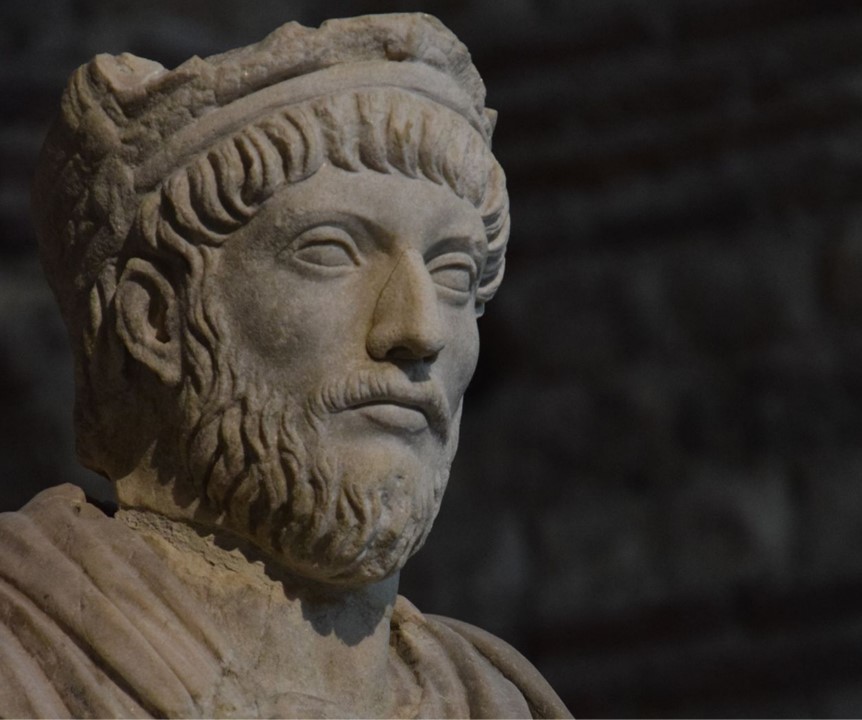
Julian the Apostate — pagan emperor, philosopher, self-mocking beard-hater — gazes enigmatically from a Musée de Cluny marble statue, his true identity still beautifully, tantalizingly unresolved.