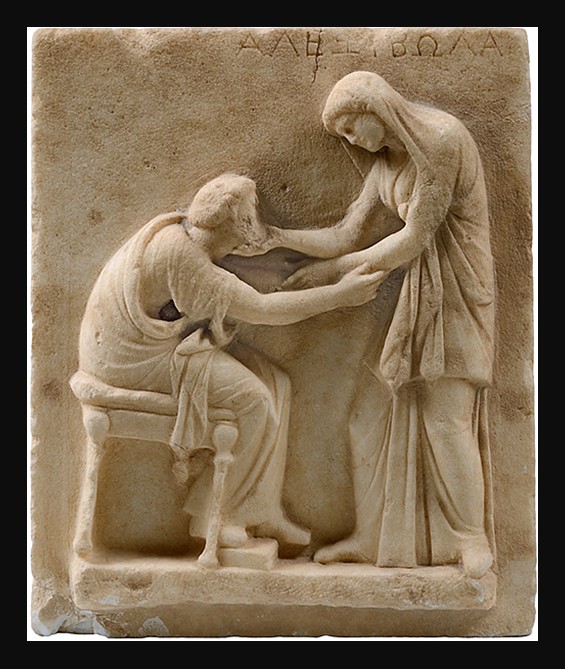
Funerary Stele of Alexibola
The Funerary Stele of Alexibola from Thera captures the emotional depth of Classical Greek art, depicting a tender farewell between father and daughter through restrained gesture, dignity, and timeless expressions of love and human connection.
Fabulous Beasts I
Kandinsky described Franz Marc’s deep bond with nature, reflected in Fabulous Beasts I, where animals merge into unified rhythms of color, expressing a spiritual, interconnected vision of the natural world.
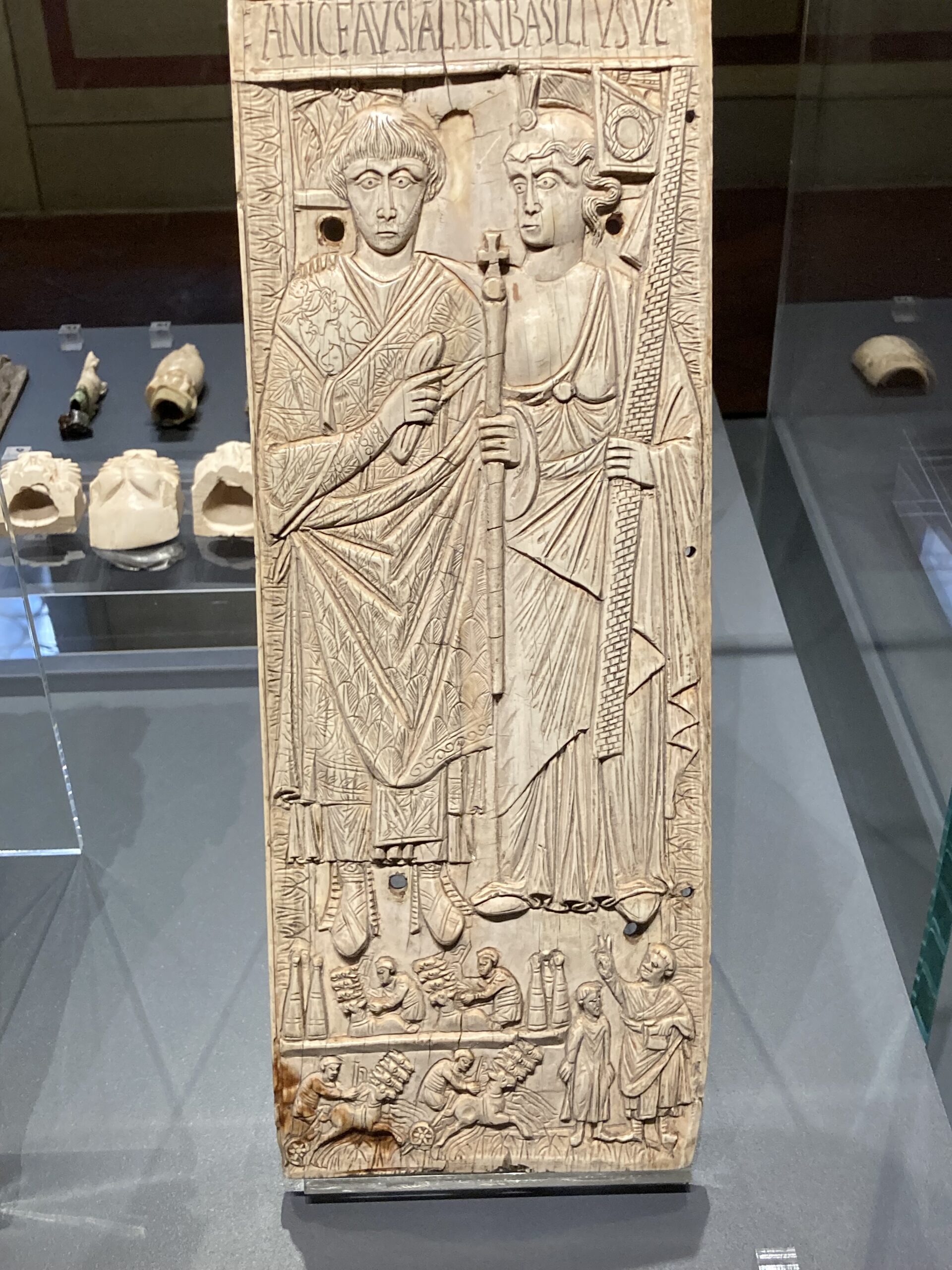
The Consular Diptych of Anicius Faustus Albinus Basilius
The Consular Diptych of Anicius Faustus Albinus Basilius (541 AD) exemplifies late antique political symbolism, uniting Roman civic tradition and Christian imagery through ivory reliefs that celebrate authority, spectacle, and imperial continuity.
Andy Warhol’s Kiku Prints
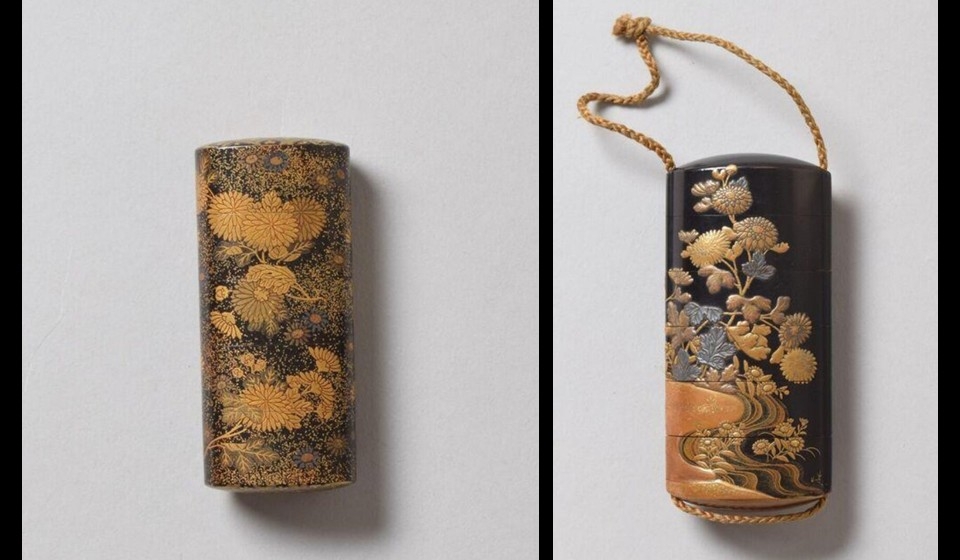
Chrysanthemums, the flower of November, bridge Matsuo Bashō’s haiku meditation on autumnal impermanence with Andy Warhol’s Kiku prints, where repetition and color transform a traditional Japanese symbol into a modern reflection on beauty, memory, and cultural continuity.
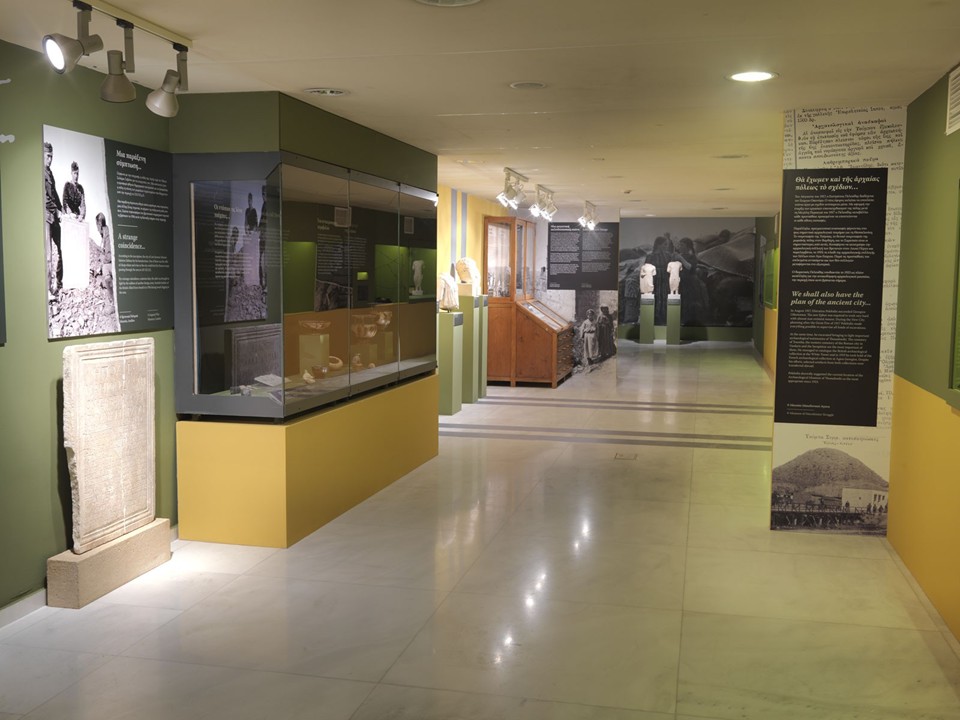
Martial Reportage and Archaeological Revelation
Varges’s WWI Salonika photographs capture Allied operations intertwined with archaeological discoveries, revealing ancient Macedonian heritage emerging through wartime excavations and the documentation of Manius Salarius Sabinus’s inscribed marble plaque.
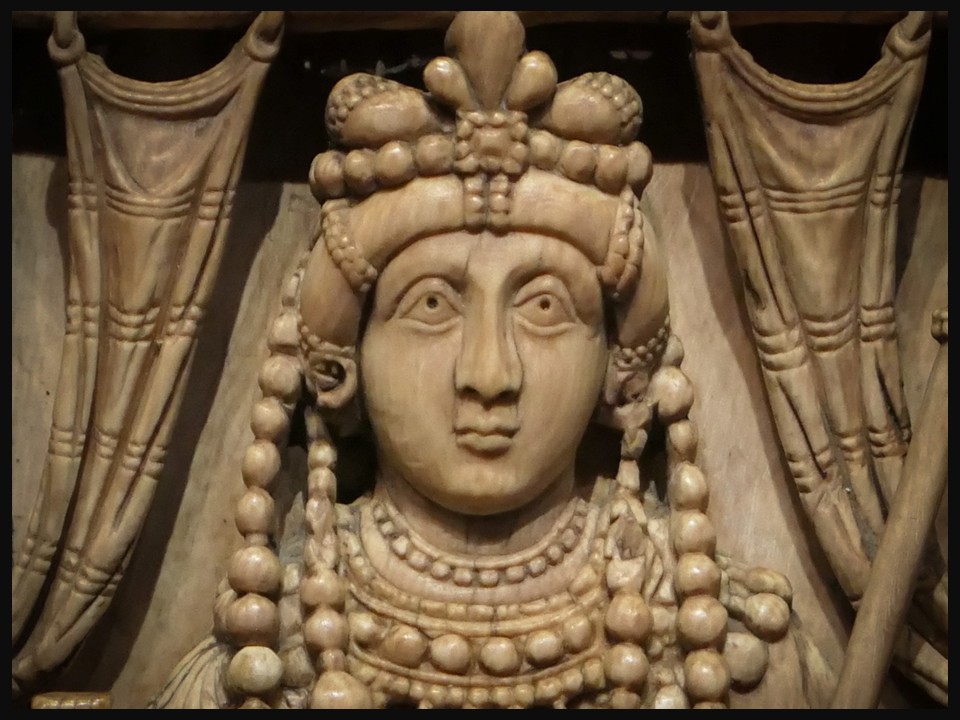
Empress Ariadne
Luxury Byzantine ivory plaques, attributed to Empress Ariadne, reveal Constantinople’s fusion of imperial power and Christian symbolism, linking court ideology with exquisite artistry preserved today in Florence and Vienna collections.
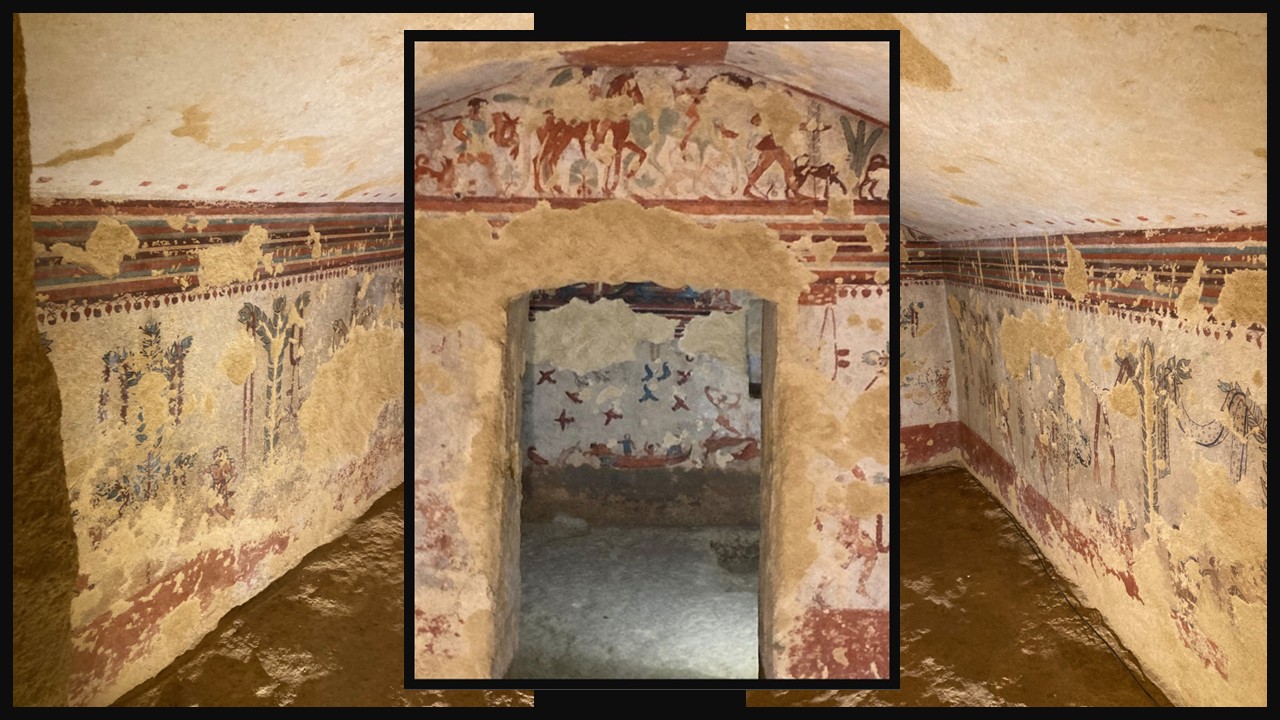
Tomb of Hunting and Fishing
Etruscan Tomb of Hunting and Fishing, 520-510 BC,Necropoli dei Monterozzi, near Tarquinia, Lazio, Italy Photo Credit: Amalia Spiliakou, April 2025 The Etruscans, a powerful and enigmatic civilization of central Italy, played a vital role in shaping t ...
Robert Spear Dunning’s Apples
Robert Spear Dunning’s Apples evokes the quiet fullness of harvest, where still-life beauty and literary echoes of Frost meet broader reflections on abundance, fragility, and global awareness of food scarcity.
Guido Mazzoni’s Portrait of an Old Man
Guido Mazzoni’s terracotta portrait of an elderly man confronts viewers with unidealised age and psychological realism, transforming clay into a profound Renaissance meditation on human dignity, mortality, and individual identity.
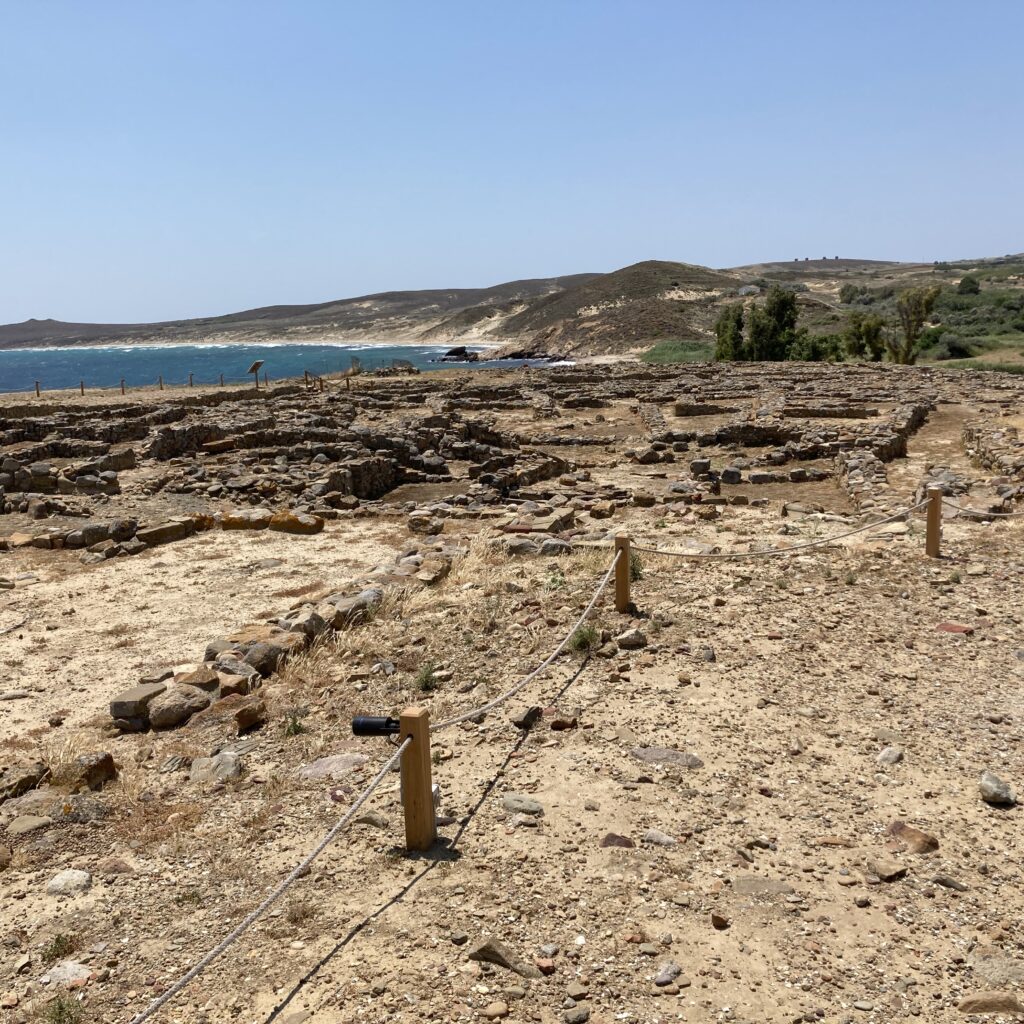
Poliochne on Lemnos
Poliochne on Lemnos reveals one of Europe’s earliest cities, where planned streets, communal spaces, and evolving Bronze Age architecture illuminate the rise of complex urban life in the Aegean.