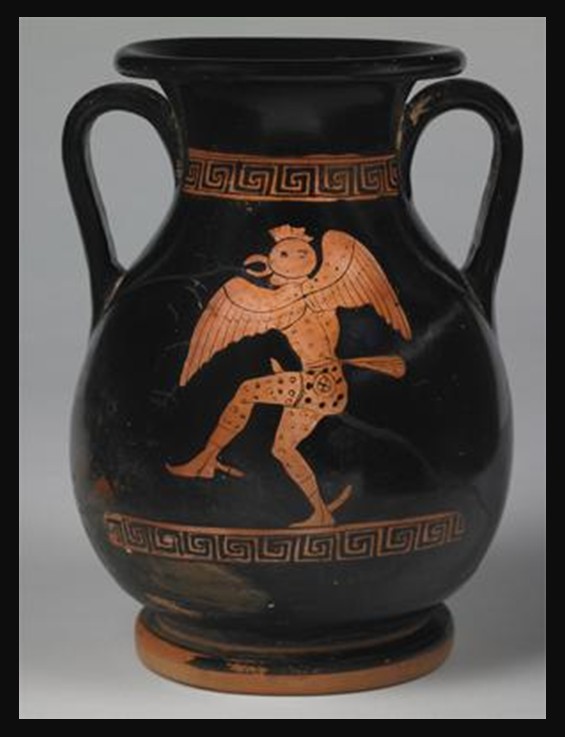
Pelike with an Actor Dressed as a Bird
This Attic red-figure pelike depicts a costumed actor as a bird, offering rare visual evidence of ancient Greek comedy, where theatrical costume, performance, and transformation shaped storytelling and audience experience.
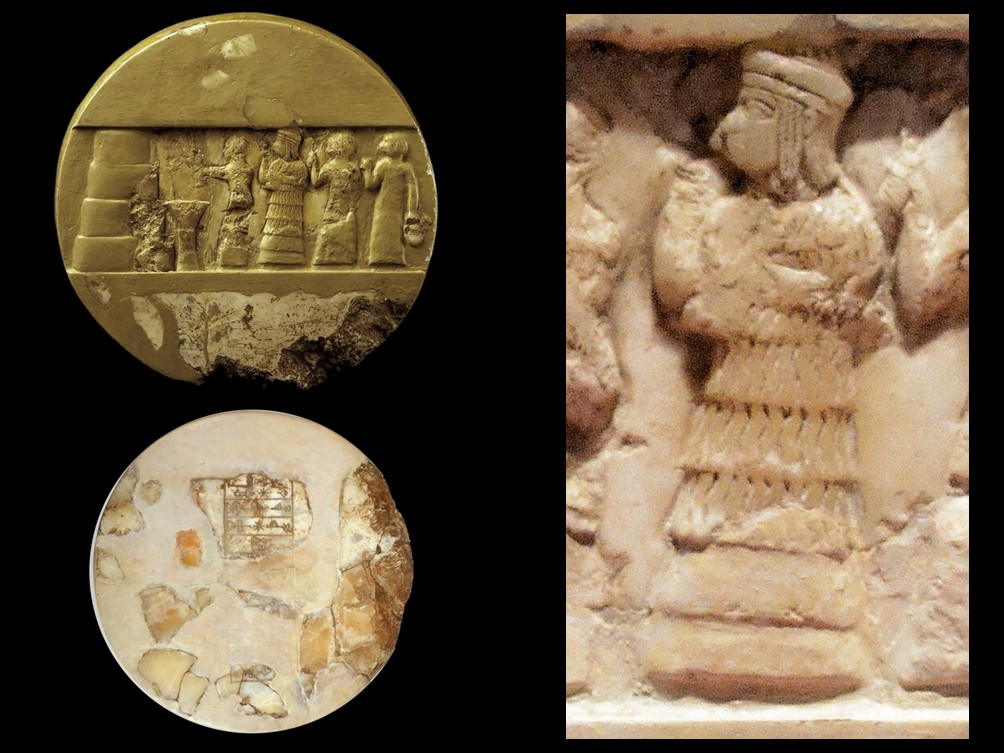
Enheduanna the first named author in history
Enheduanna, daughter of Sargon, emerges as the first named author, uniting political power, ritual authority, and poetic voice; her alabaster disk preserves her image, legacy, and enduring cultural influence.
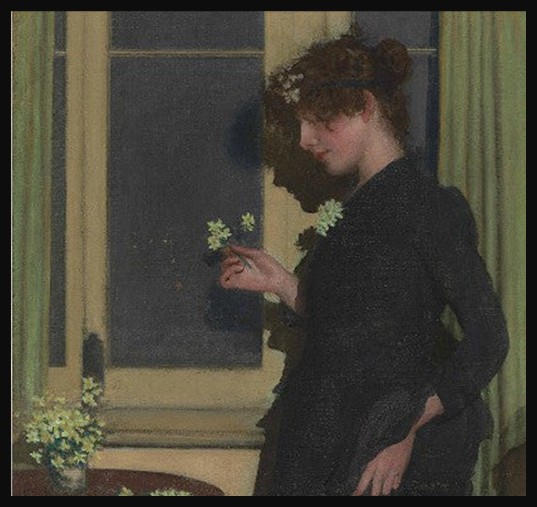
Philip Wilson Steer’s Jonquil
March’s flower arrives quietly in Jonquil, where Philip Wilson Steer captures early spring’s tender renewal through soft light, stillness, and intimate contemplation.
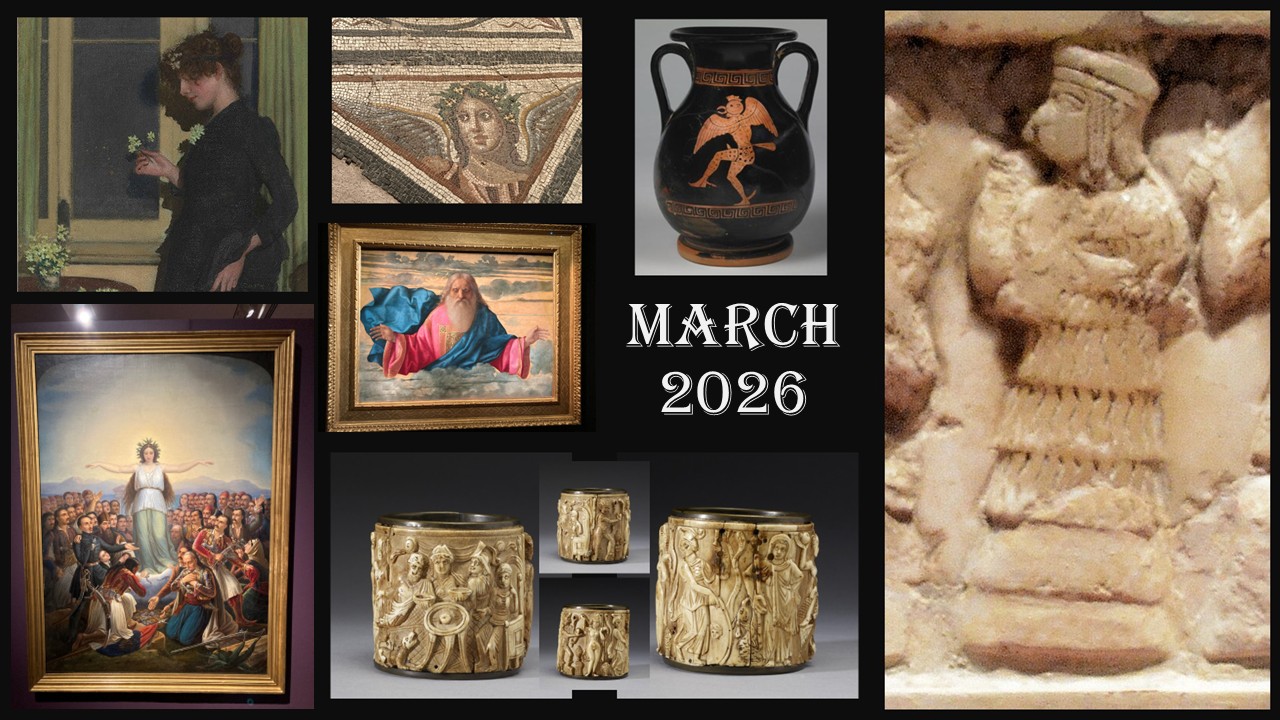
March 2026 Newsletter
March invites renewed curiosity as art connects past and present. This month’s selections explore creativity, history, and seasonal change, guiding reflection through diverse narratives, craftsmanship, and meaningful artistic expression.
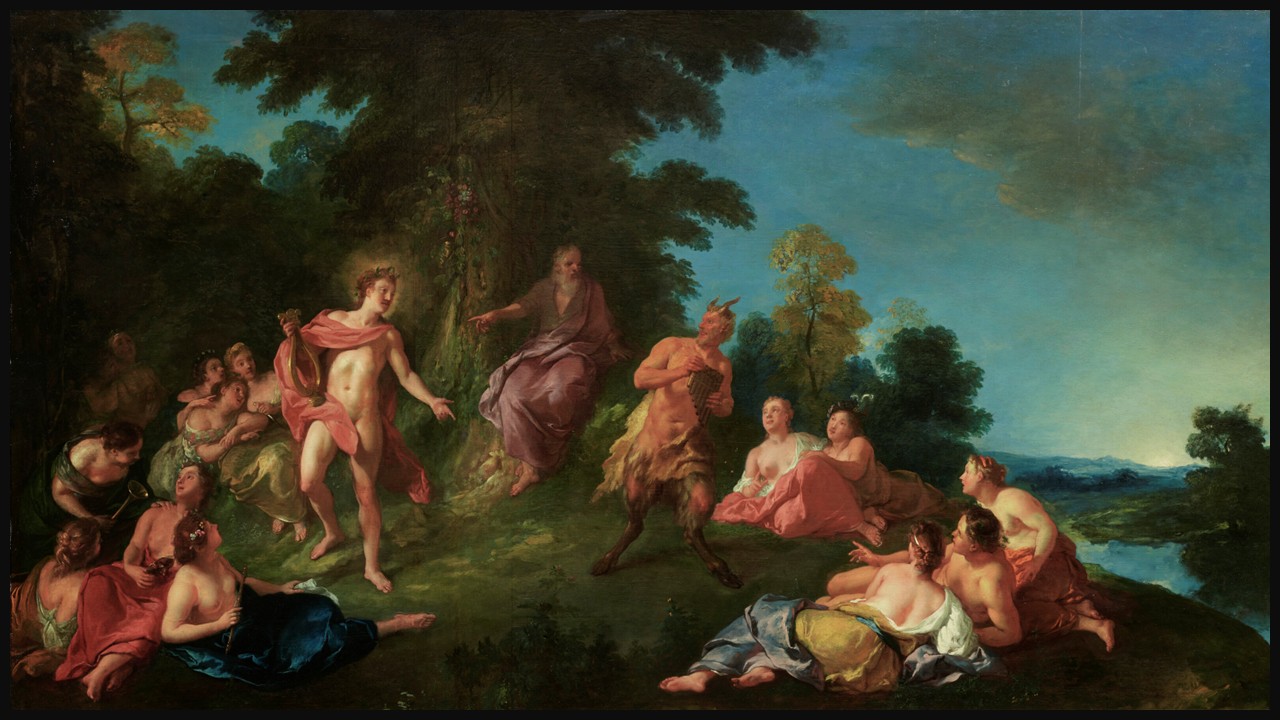
Jean-François de Troy and the Myth of Apollo and Pan
De Troy’s Apollo and Pan reimagines a mythological contest as an elegant Rococo scene, where harmony and refinement triumph over rustic instinct, exploring artistic judgment, hierarchy, and cultural values.
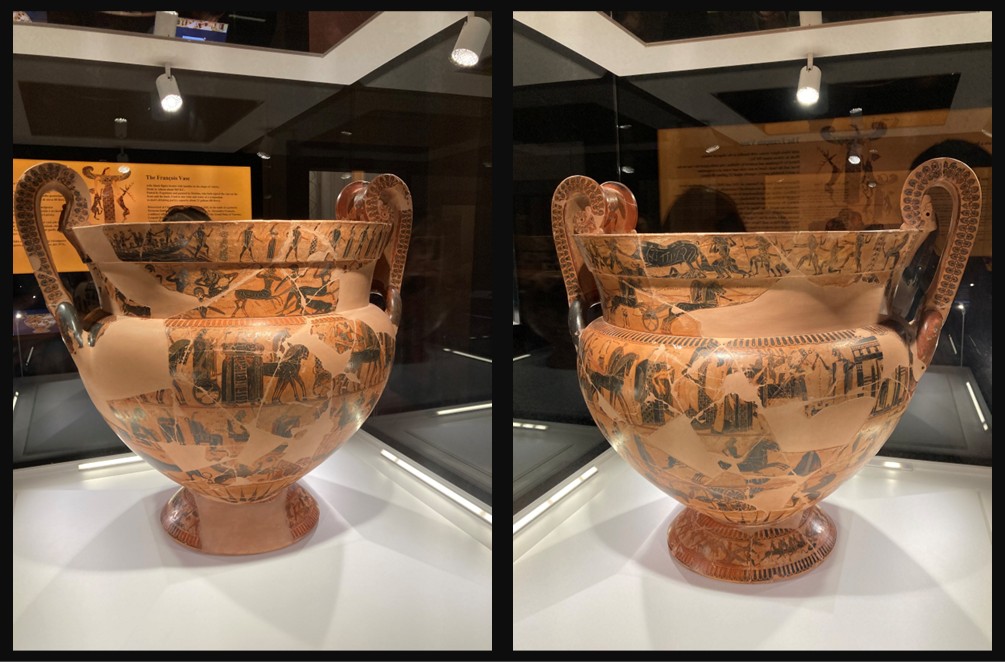
François Vase
The François Vase is a masterful black-figure krater, uniting mythological scenes in intricate friezes, showcasing Archaic Greek storytelling, craftsmanship, and the collaborative brilliance of Kleitias and Ergotimos.
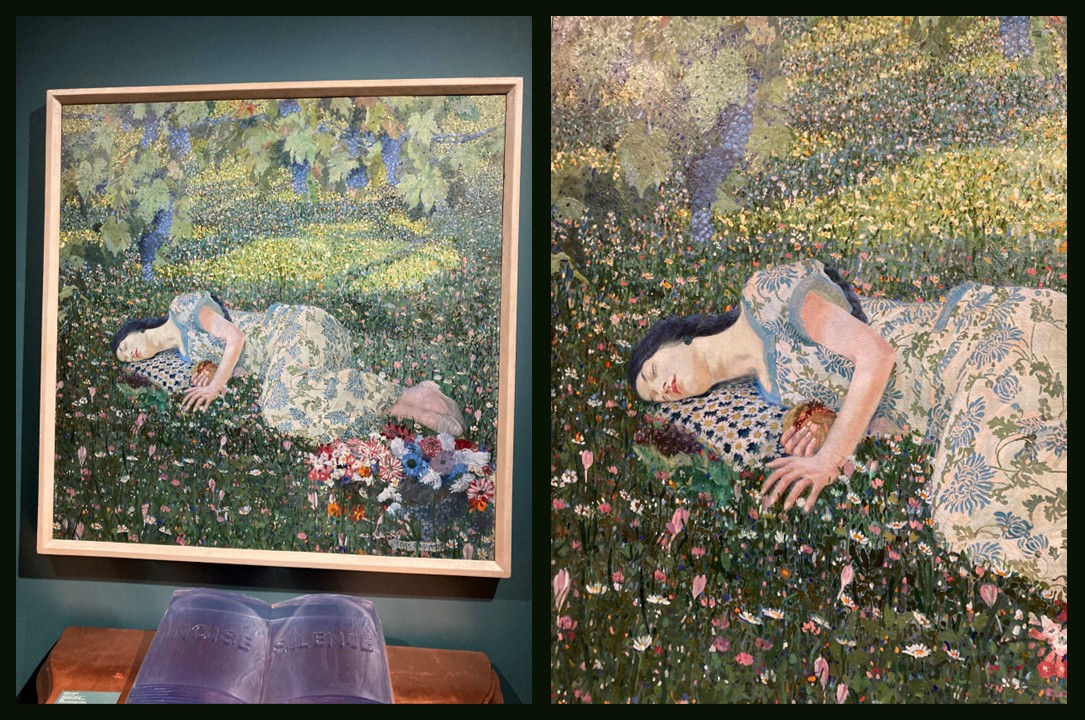
The Dream of the Pomegranate
Casorati’s The Dream of the Pomegranate presents a sleeping figure in a flowered meadow, where stillness, symbolism, and dreamlike silence merge into a poetic meditation on interior life.
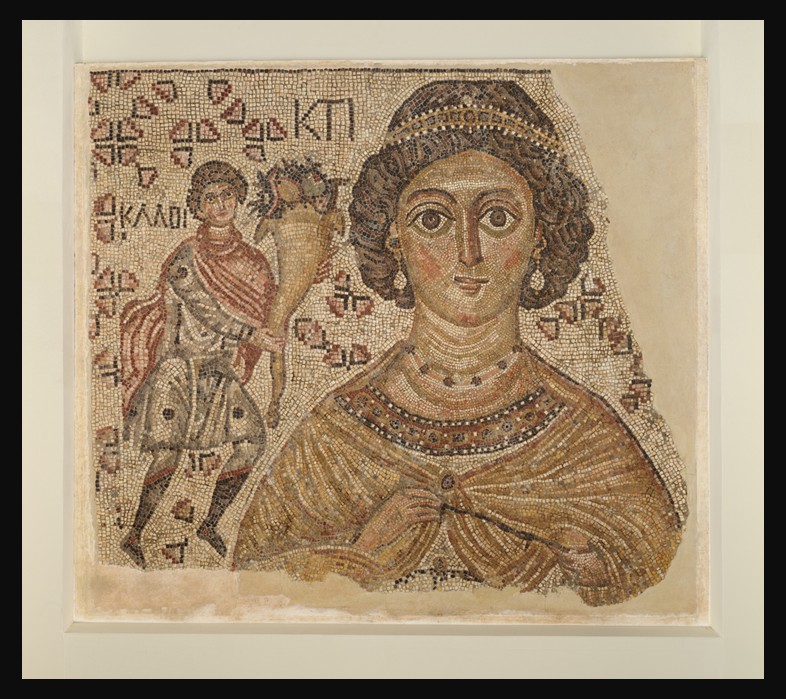
Ktisis
This striking mosaic of Ktisis Mosaic reveals Late Antiquity’s vision of prosperity, where personification, symbolism, and ornament merge to express civic generosity, order, and enduring cultural identity.
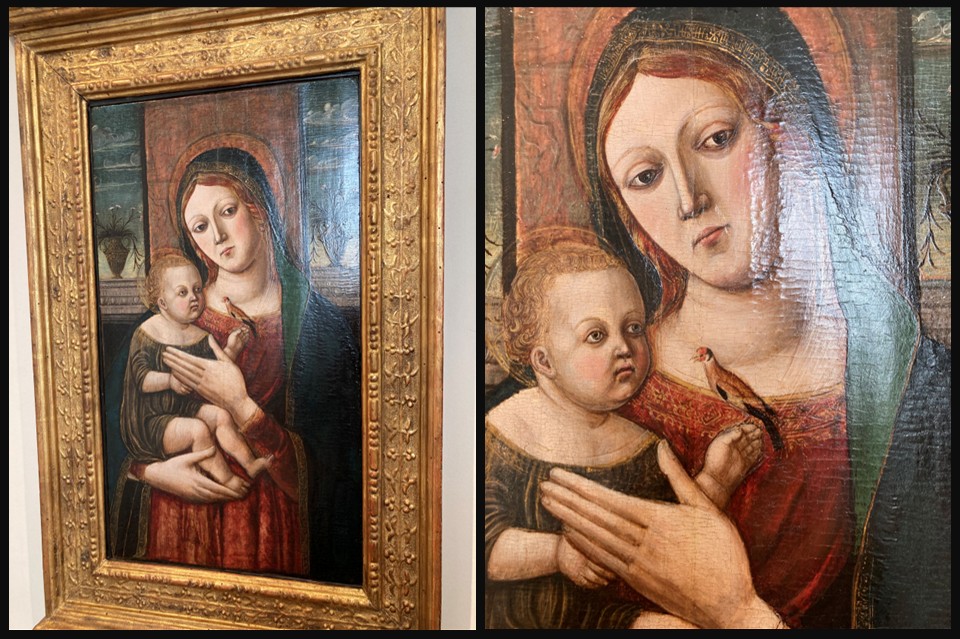
Antonio Badile’s Madonna and Child
Badile’s Madonna and Child presents a tender, intimate devotional scene, where maternal affection, symbolic detail, and serene composition reflect Renaissance spirituality and private acts of contemplation and faith.
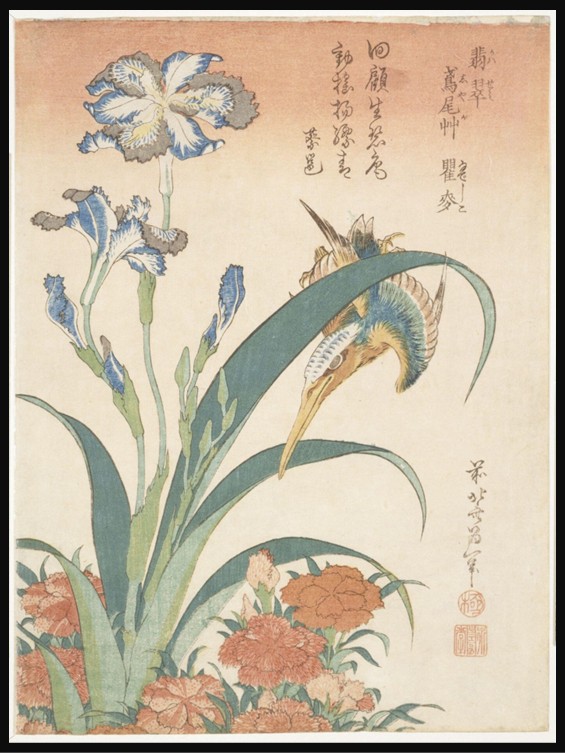
Iris celebrated as the flower of February
Hokusai’s Kingfisher, Irises and Wild Pinks blends delicate nature, seasonal symbolism, and Edo printmaking, where an iris-centered composition reflects harmony, poetry, and refined Japanese artistic tradition.