Byzantine Girdle
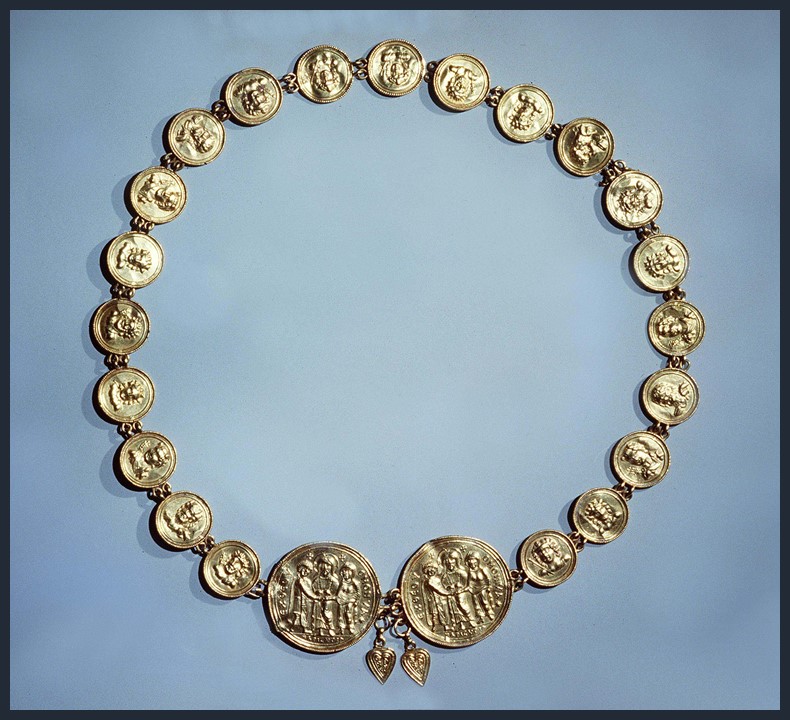
The Dumbarton Oaks Byzantine Marriage Belt unites sacred and pagan imagery, where Christ blesses a union framed by Dionysian figures, symbolising harmony between love, ritual, and cultural continuity in Byzantium.
The astonishing Tapestry of Dionysus at Abegg-Stiftung
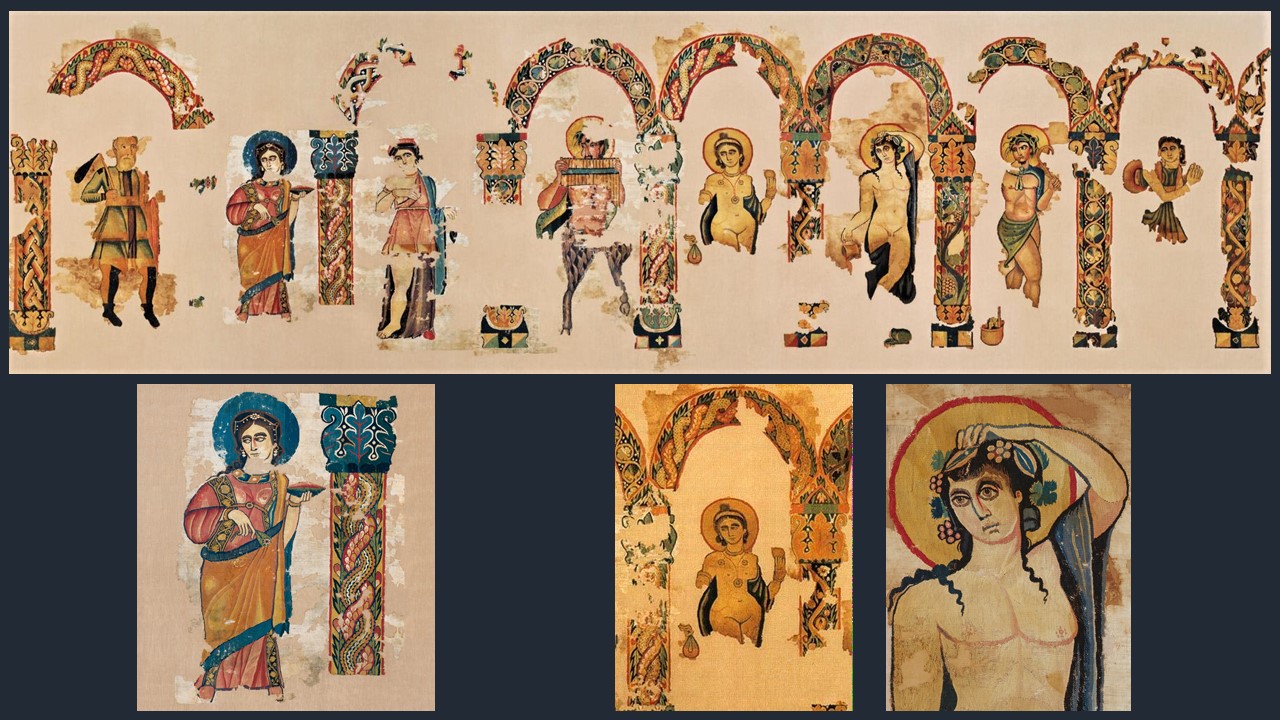
The Abegg-Stiftung’s Dionysus tapestry reveals the god of wine and ecstasy surrounded by lush ornament and mythic figures, reflecting Late Antique beliefs in joy, abundance, and life beyond death.
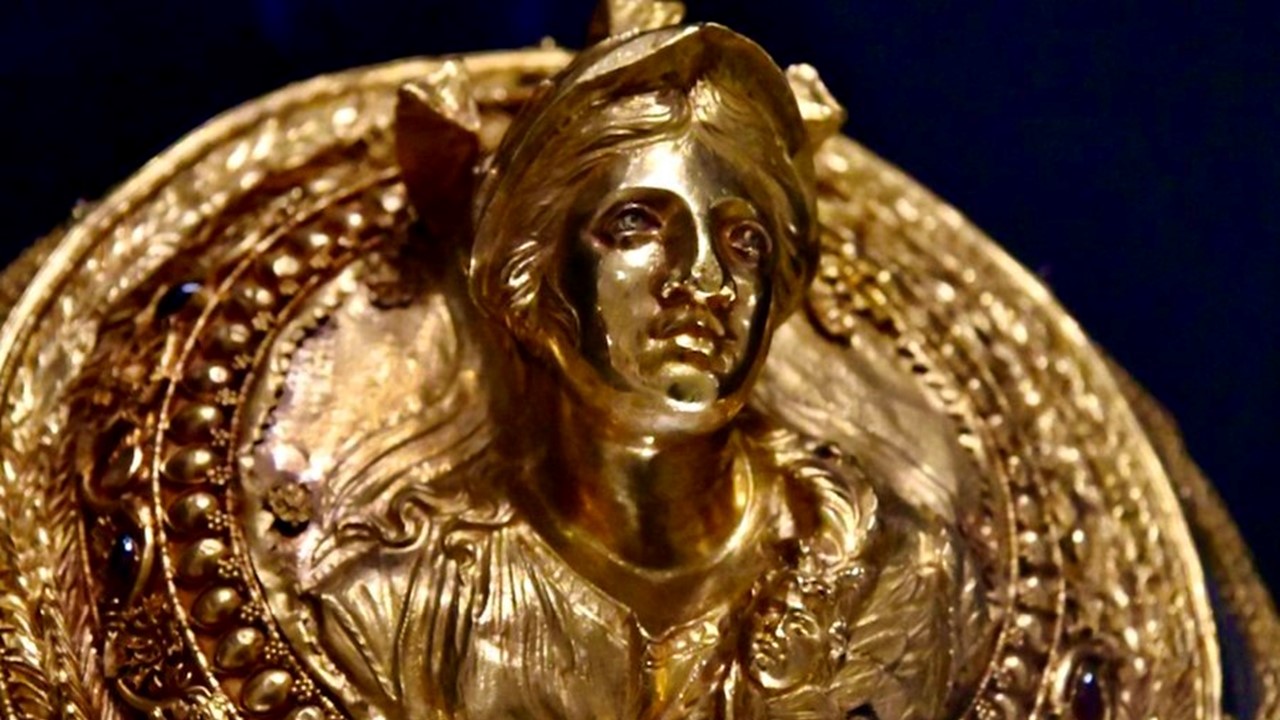
Hellenistic Golden Hairnets
The Hellenistic gold hairnet from the Benaki Museum showcases exquisite craftsmanship, centred on Athena’s medallion and intricate filigree, reflecting aristocratic luxury and the refined artistry of ancient Greek jewellery.
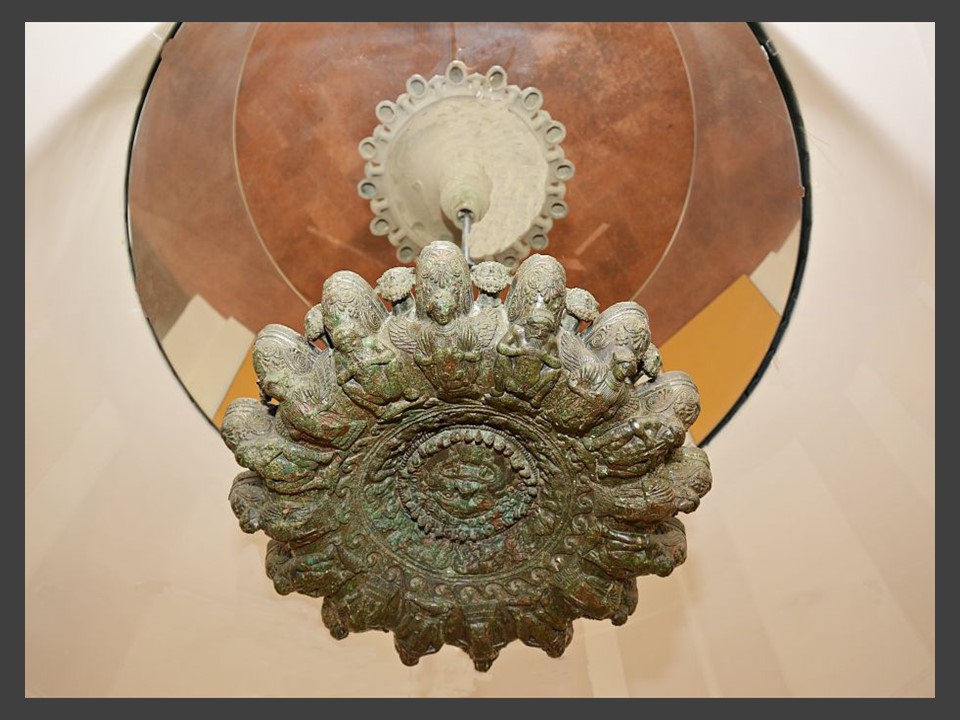
The Etruscan Bronze Chandelier of Cortona
The Cortona Bronze Chandelier, a masterpiece of Etruscan metalwork, combines mythic creatures, sea imagery, and ritual symbolism in a complex circular design, reflecting the artistic and religious imagination of ancient Etruria.
Simon Bening’s February
Simon Bening’s February miniature depicts a lavish manor feast, where aristocrats, musicians, and servants gather around firelight and rich furnishings, revealing the social ritual, luxury, and domestic life of late medieval nobility.
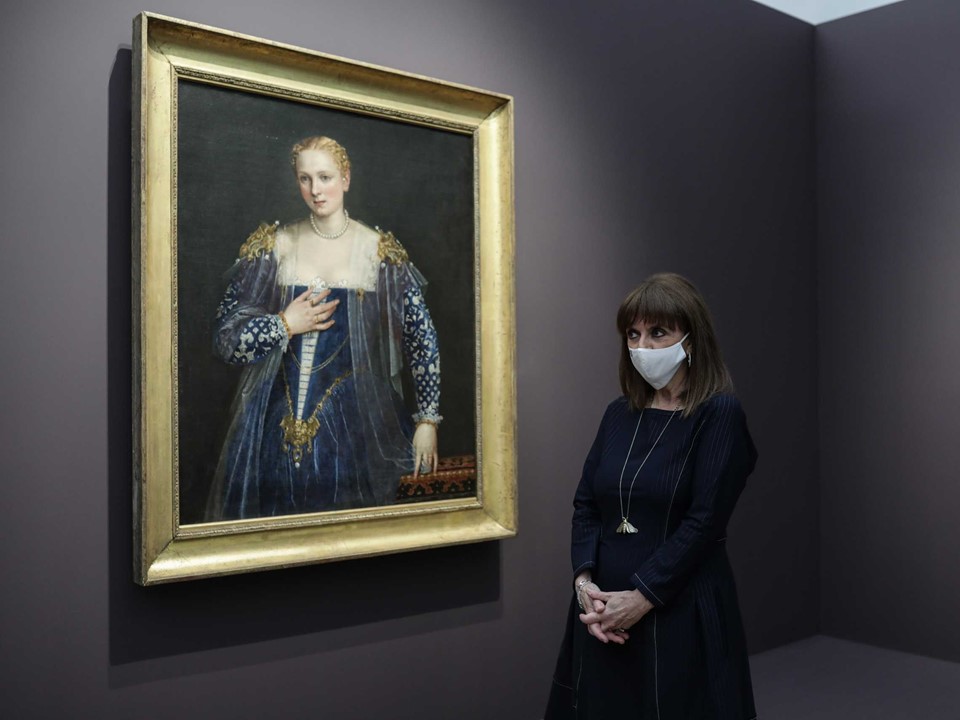
La Belle Nani by Paolo Veronese
Paolo Veronese’s La Belle Nani presents an elegant Venetian woman whose identity remains uncertain, embodying Renaissance ideals of beauty, virtue, fashion, and aristocratic status in a richly symbolic portrait.
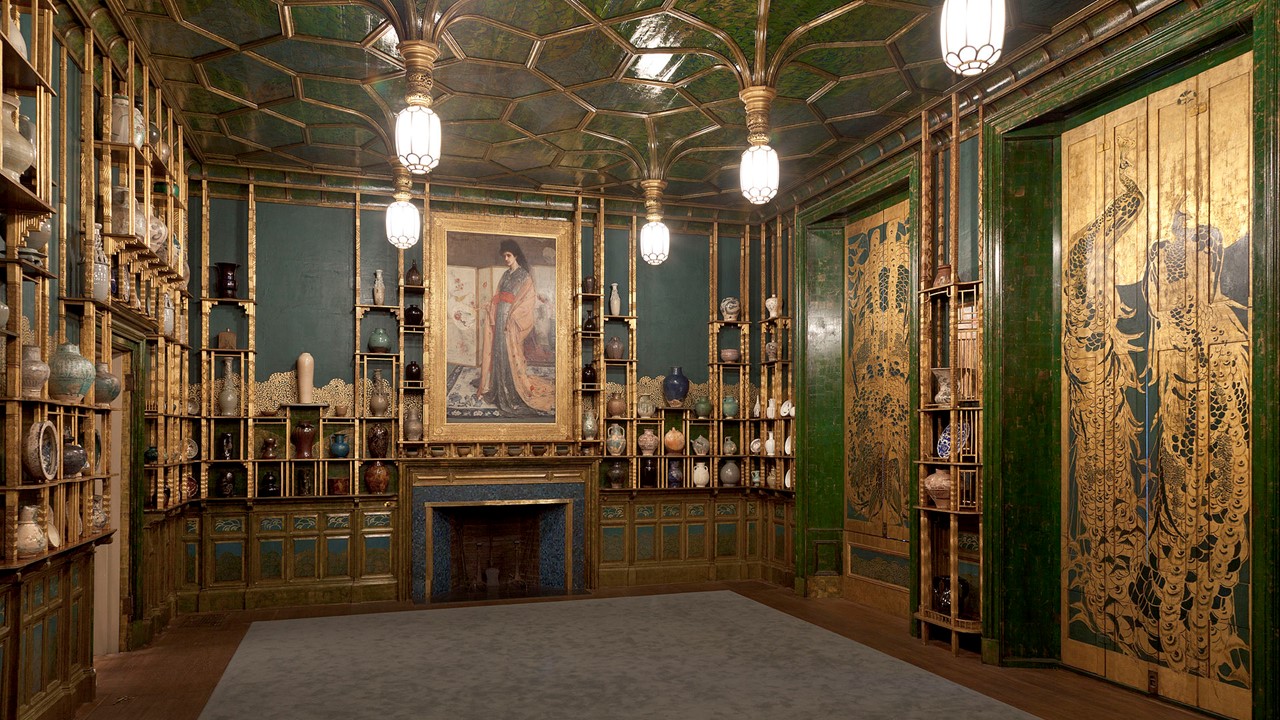
The Princess from the Land of Porcelain by James Abbott McNeill Whistler
Whistler’s Princess from the Land of Porcelain reimagines Western portraiture through Japanese and Chinese aesthetics, portraying Christina Spartali in exotic costume amid porcelain-inspired decor, blending beauty, fantasy, and cross-cultural artistic influence.
Theotokos ton Blachernon in Constantinople
Byzantine Emperor Theophilos is described by John Skylitzes as riding weekly with his bodyguard along Constantinople’s processional route to the sacred pilgrimage complex of Theotokos ton Blachernon.
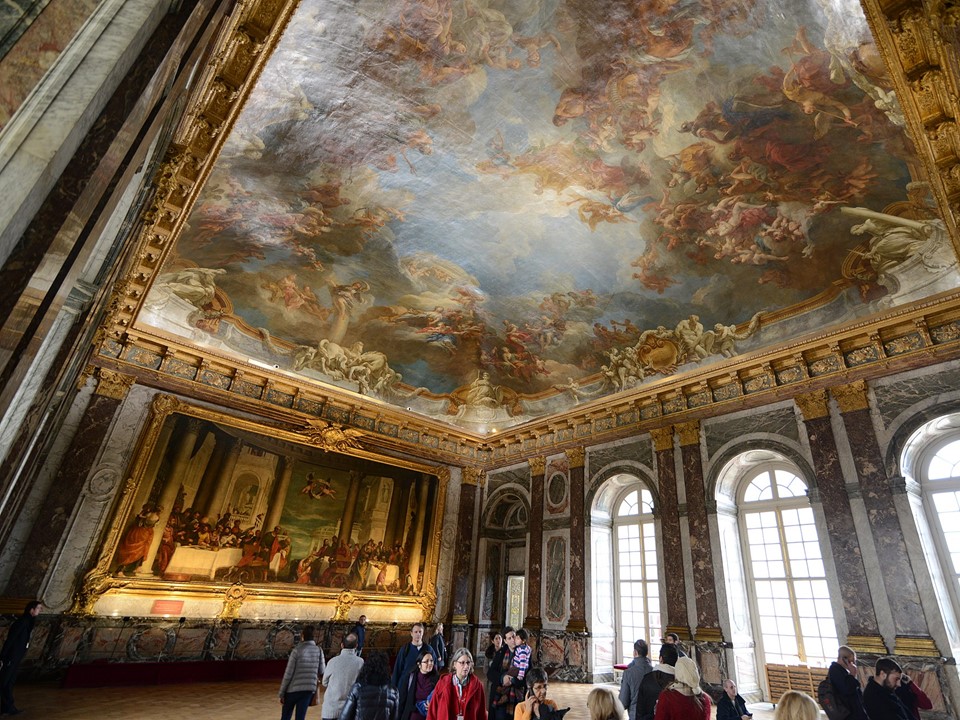
Love of Virtue by François Lemoyne
A highlight of the Versailles “Drawings for Versailles, 20 years of Acquisitions” exhibition is François Lemoyne’s preparatory head study for The Love of Virtue, revealing the delicate transition from late Baroque grandeur to early Rococo refinement in royal artistic production.
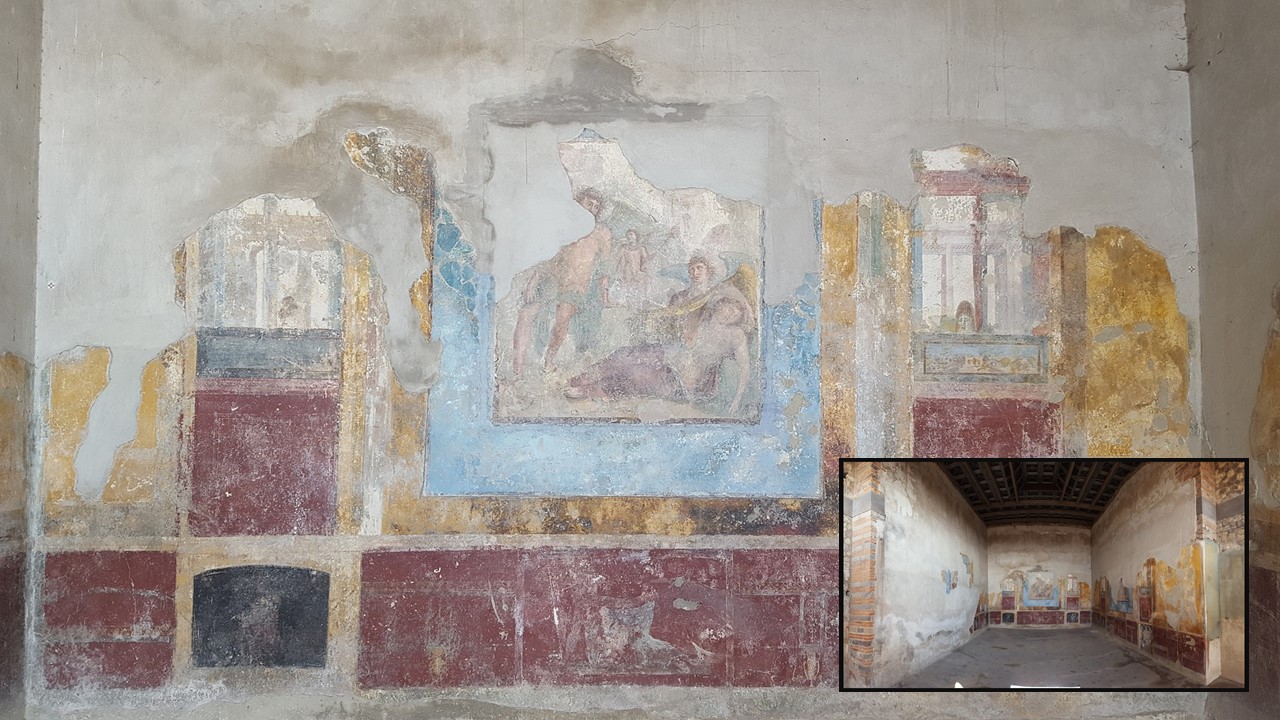
Villa Arianna’s Dionysus and Ariadne Fresco
Villa Arianna at Stabiae preserves lavish 1st-century frescoes, including a vivid Dionysus and Ariadne scene in a grand triclinium, reflecting elite Roman myth, luxury, and imaginative Fourth Style wall decoration.