A Face Between Two Empires: Constantine in Marble presents the marble portrait of Constantine the Great as a turning point in Roman art, where classical imperial imagery, political messaging, and the rise of Christianity converge in carved stone.
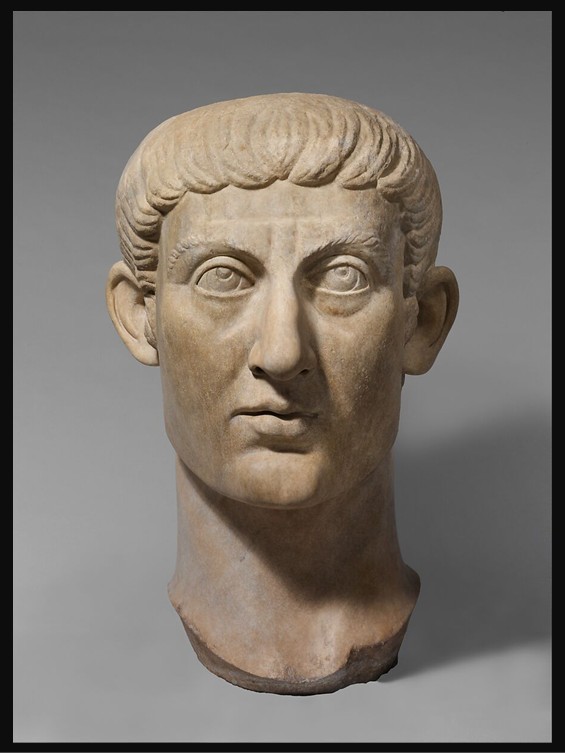
A Face Between Two Empires: Constantine in Marble presents the marble portrait of Constantine the Great as a turning point in Roman art, where classical imperial imagery, political messaging, and the rise of Christianity converge in carved stone.
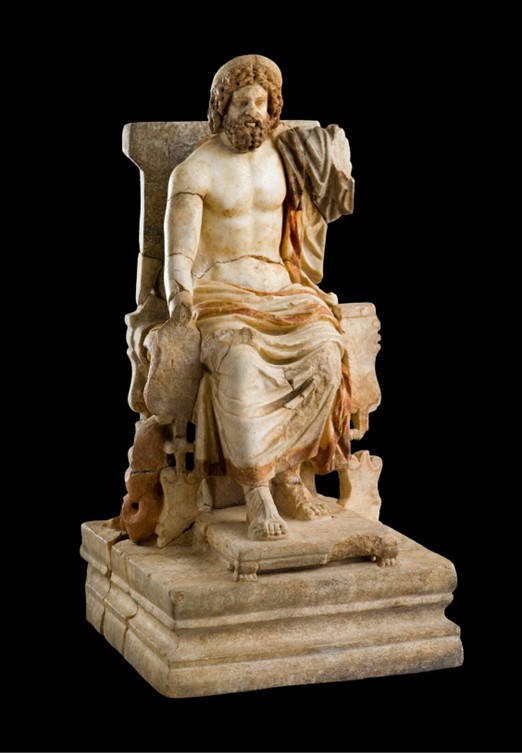
Unearthed in a luxurious Roman villa in Corinth, a marble statuette of Asclepius enthroned reveals the quiet persistence of pagan devotion even as Christianity reshaped the ancient world.
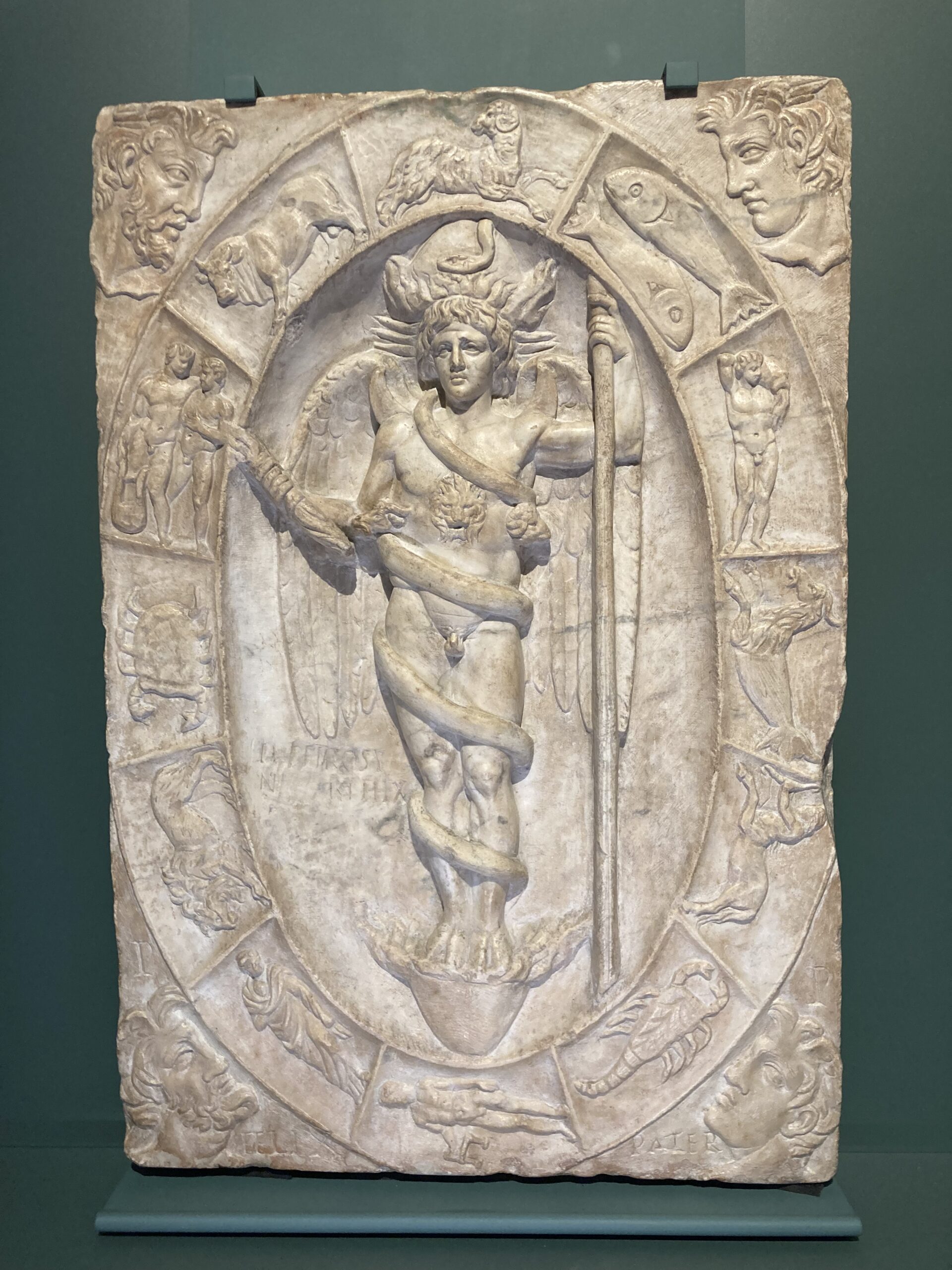
A 2nd-century Roman relief from Modena’s Galleria Estense unites two enigmatic deities — Mithraic Aion and Orphic Phanes — in a breathtaking vision of eternity, cosmic creation, and divine order.
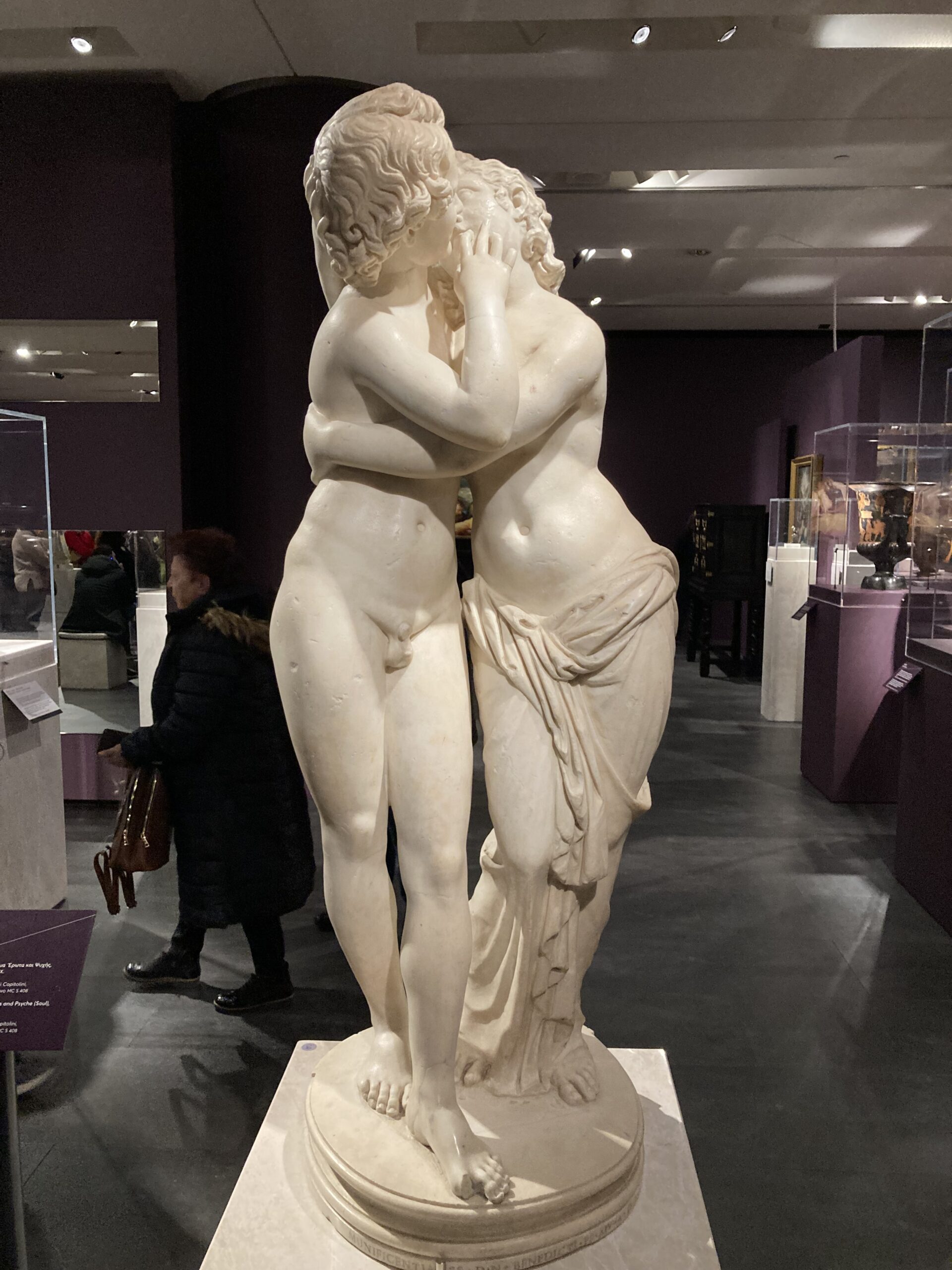
A tender Roman marble masterpiece at the Musei Capitolini, Eros and Psyche immortalises mythology’s most poignant love story — the transformative union of love and soul rendered in breathtaking classical elegance.
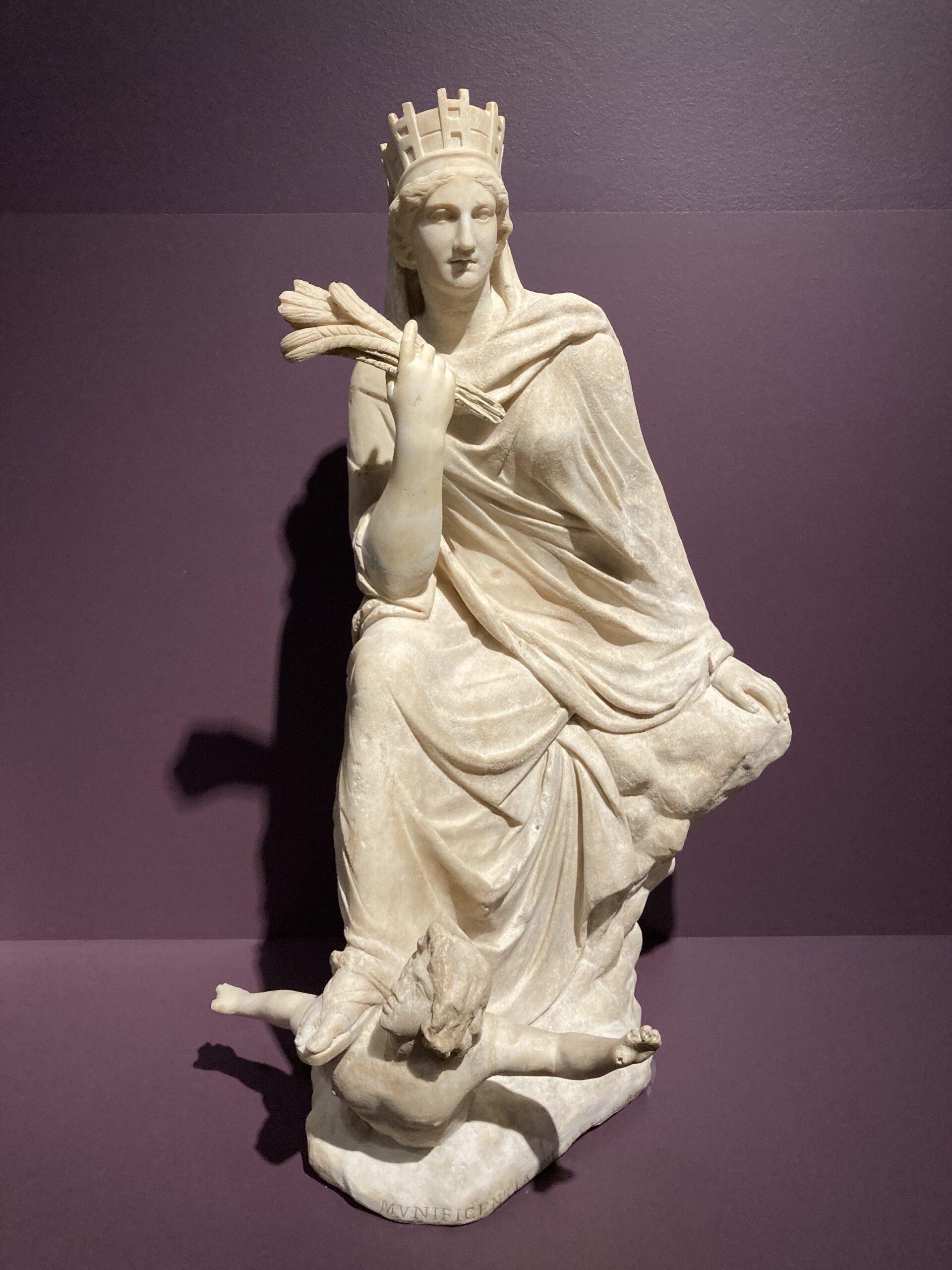
The Tyche of Antioch powerfully embodies Antioch’s legendary foundation, translating Seleucus’ divinely guided vision into marble through symbols of protection, prosperity, and the life-giving flow of the Orontes River.
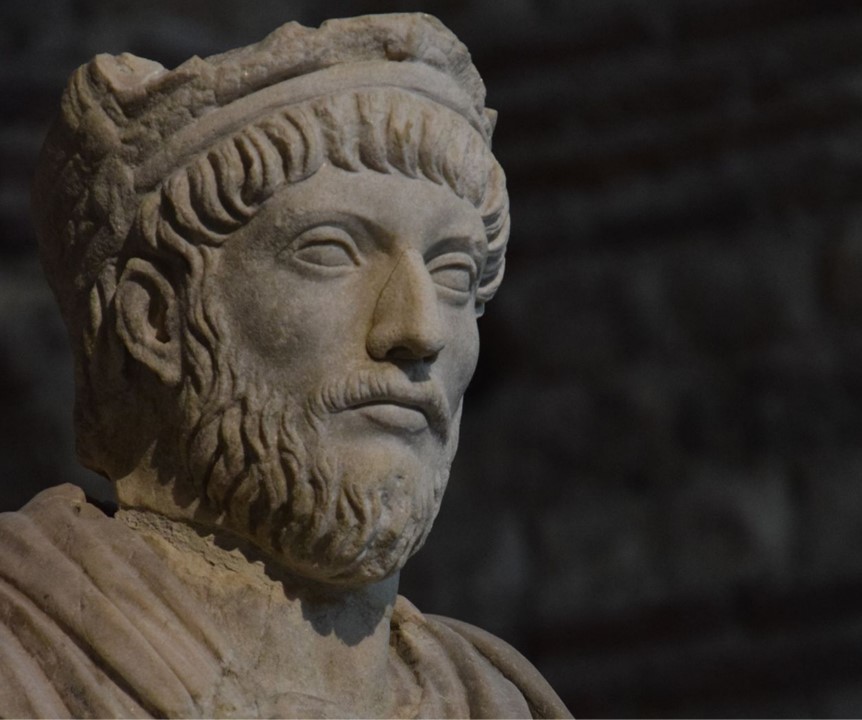
Julian the Apostate — pagan emperor, philosopher, self-mocking beard-hater — gazes enigmatically from a Musée de Cluny marble statue, his true identity still beautifully, tantalizingly unresolved.
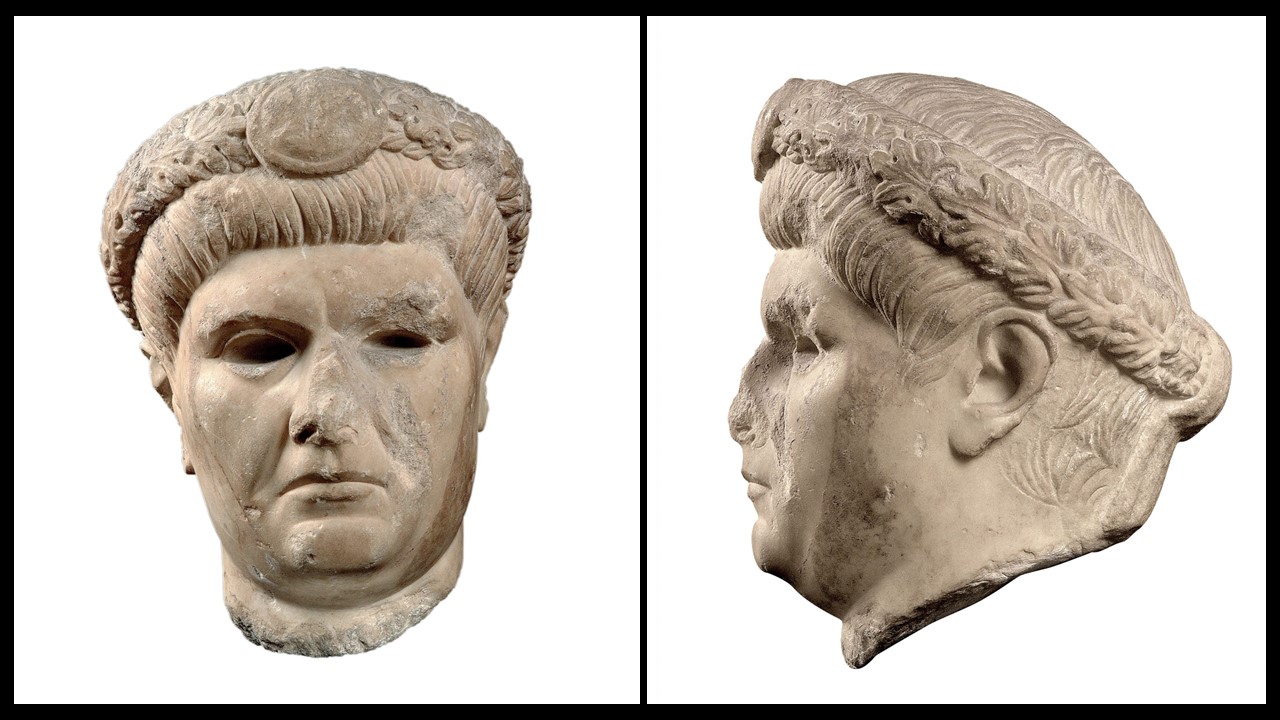
Meet Emperor Galerius — the Roman Tetrarchy’s formidable ruler whose enduring monuments still grace Thessaloniki today, a warrior emperor whose stern portrait powerfully embodies absolute imperial authority and unwavering strength.
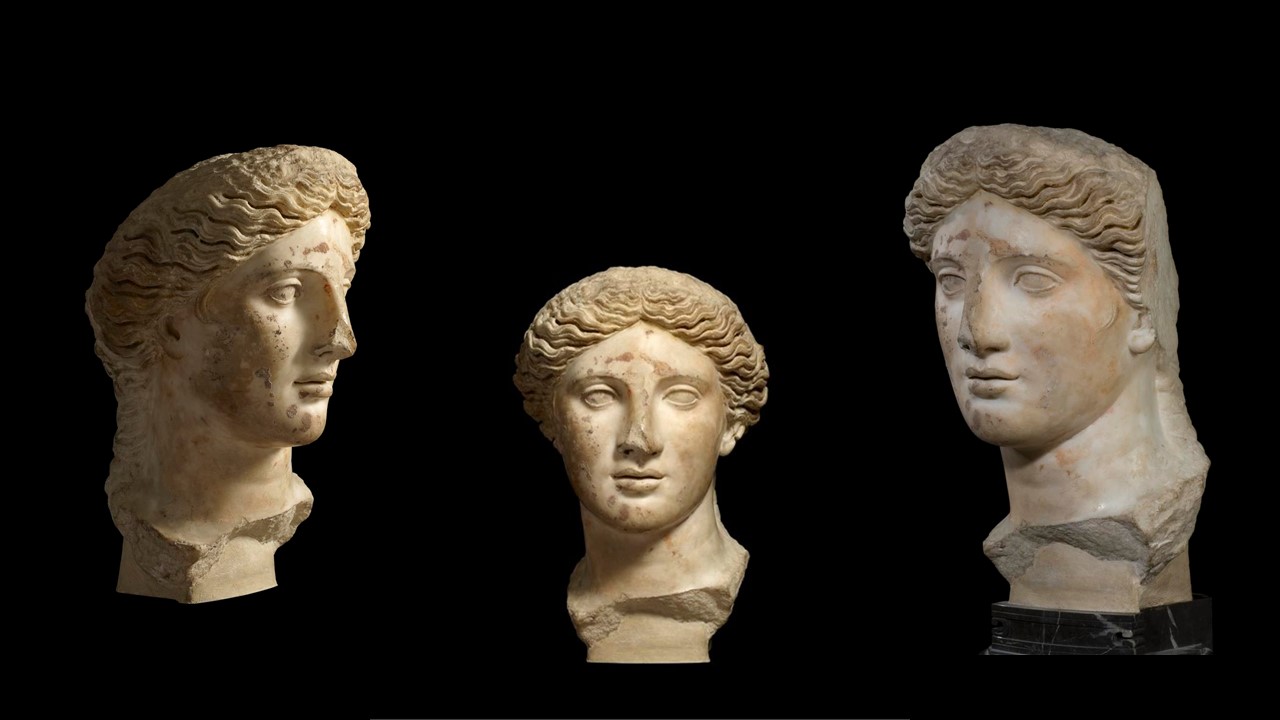
The Treu Head, discovered on the Esquiline Hill in Rome and now in the British Museum, is a striking example of Roman sculptural polychromy. Traces of red, black, and yellow paint reveal a once vividly colored image, reshaping our understanding of ancient sculpture.
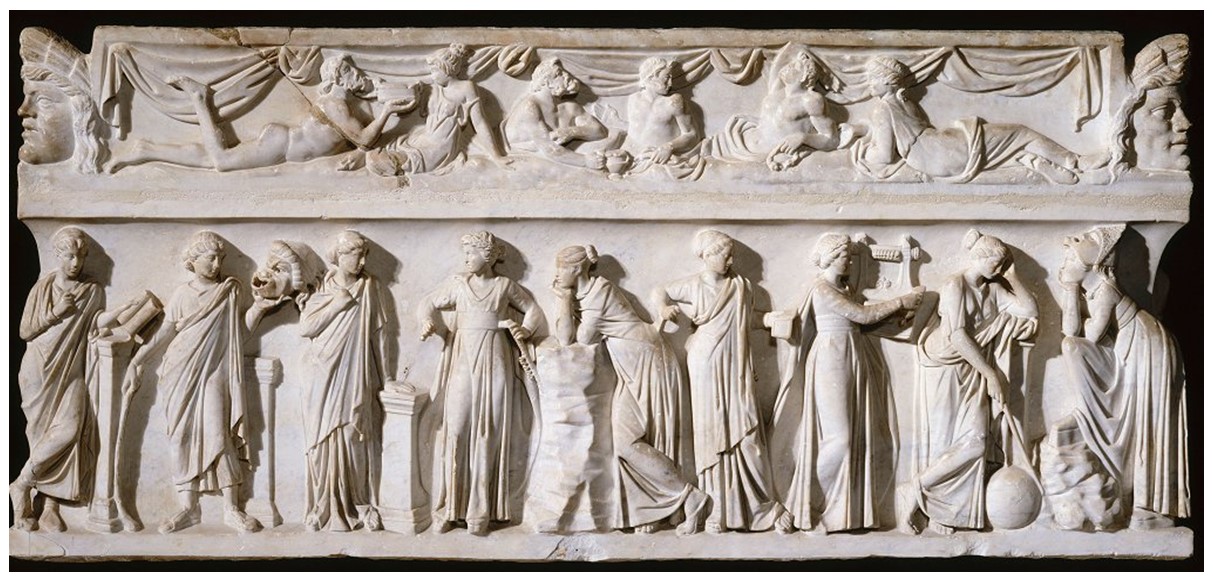
The nine Muses—daughters of Zeus and Mnemosyne—embody epic poetry, history, music, dance, tragedy, and astronomy, inspiring ancient and modern creativity through their distinct artistic domains.
The Pre-Raphaelites reimagined art through intense realism, nature, and emotion—Rossetti and his circle reshaping Victorian creativity into a vivid world of beauty, symbolism, and imaginative “conception.”