The Stavelot Triptych unites Byzantine and Romanesque traditions, blending Eastern symbolism with Western narrative, while its precious materials and relics embody artistic exchange, spiritual devotion, and the cultural dialogue of the 12th century.
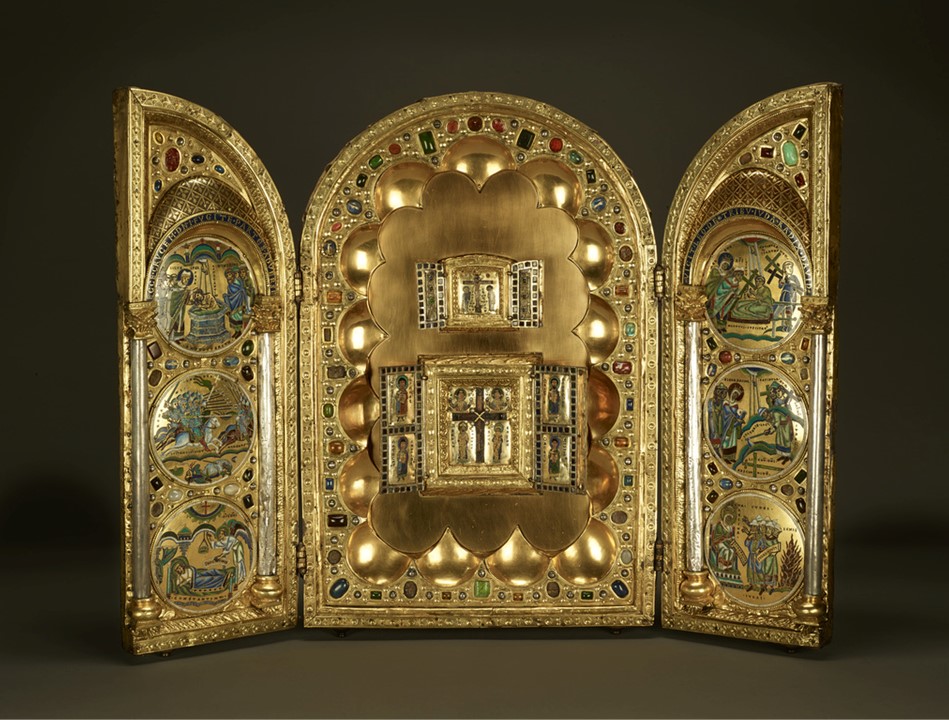
The Stavelot Triptych unites Byzantine and Romanesque traditions, blending Eastern symbolism with Western narrative, while its precious materials and relics embody artistic exchange, spiritual devotion, and the cultural dialogue of the 12th century.
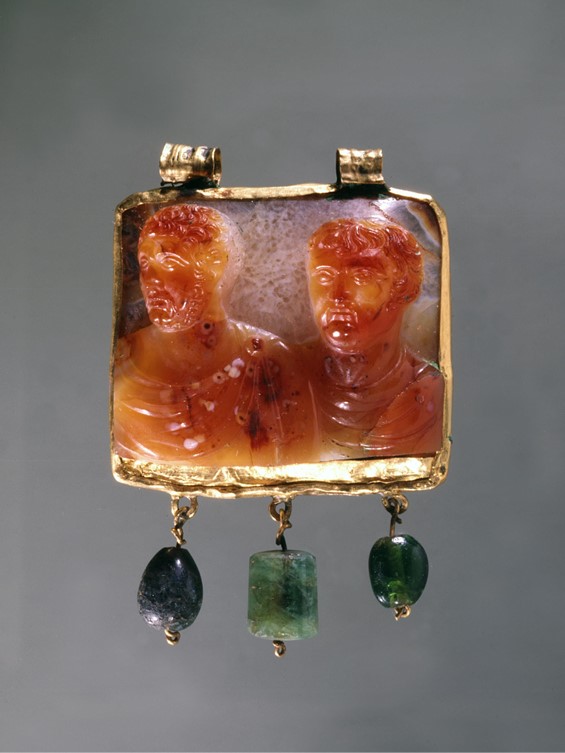
A rare Tetrarchic cameo from Dumbarton Oaks shows two emperors rendered with striking symmetry, symbolizing Diocletian’s vision of imperial unity and concord across a divided Roman Empire.
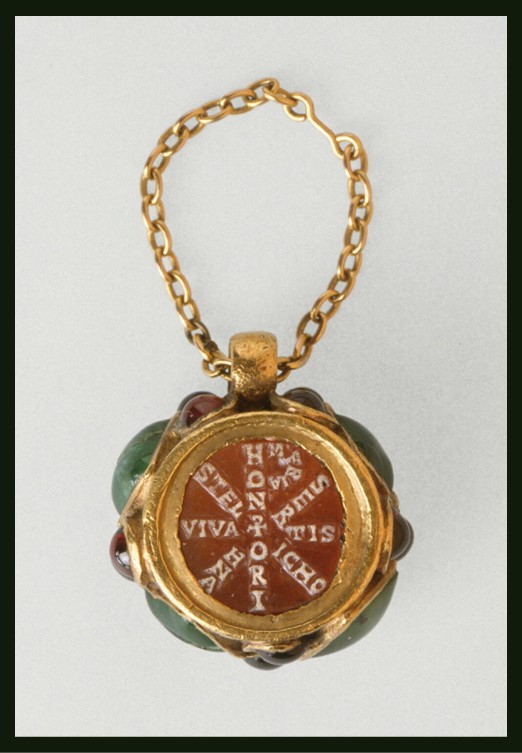
The Enkolpion of Empress Maria can indeed be read as an object where private devotion and public dynastic messaging converge: a jewel-like reliquary that compresses Theodosian family identity, Christian legitimacy, and political continuity into a portable emblem of Late Antique power and sanctified lineage.
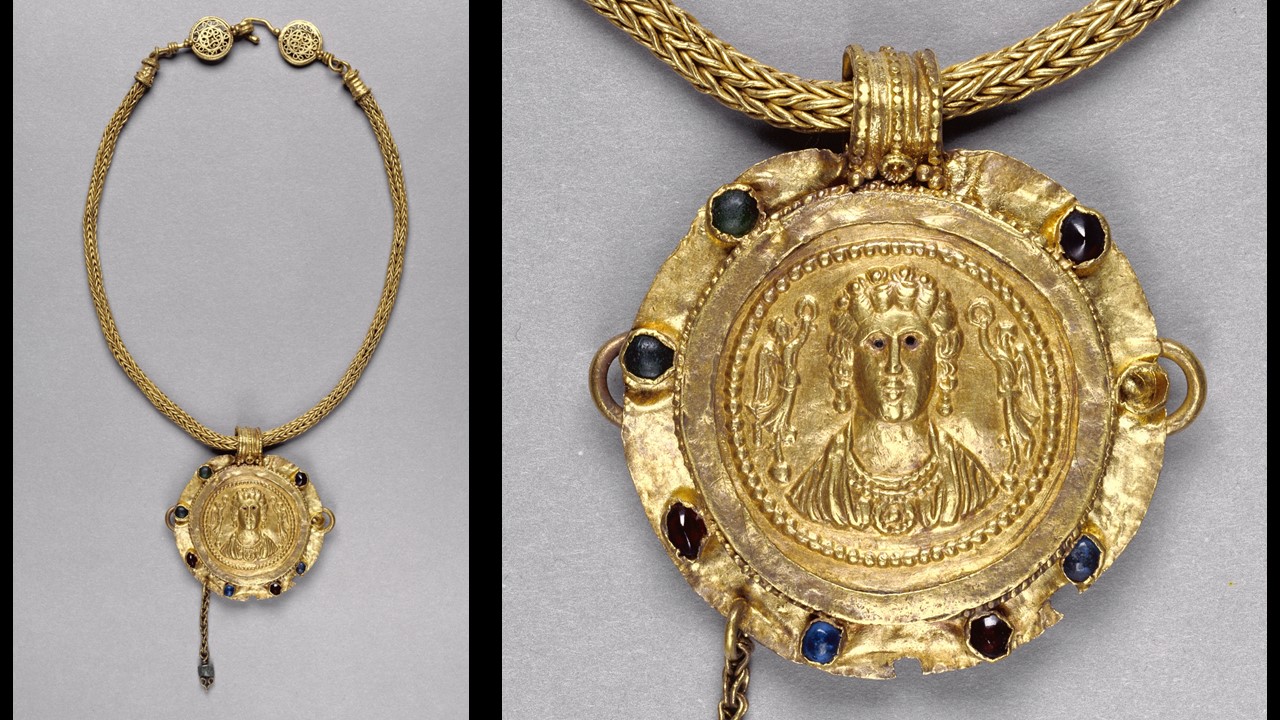
The pendant in the Getty collection cannot be securely identified as Aelia Flacilla. Although its imperial iconography and late 4th-century date place it within the Theodosian milieu, the lack of inscriptions or provenance makes any specific portrait attribution—however tempting—ultimately speculative rather than demonstrable.
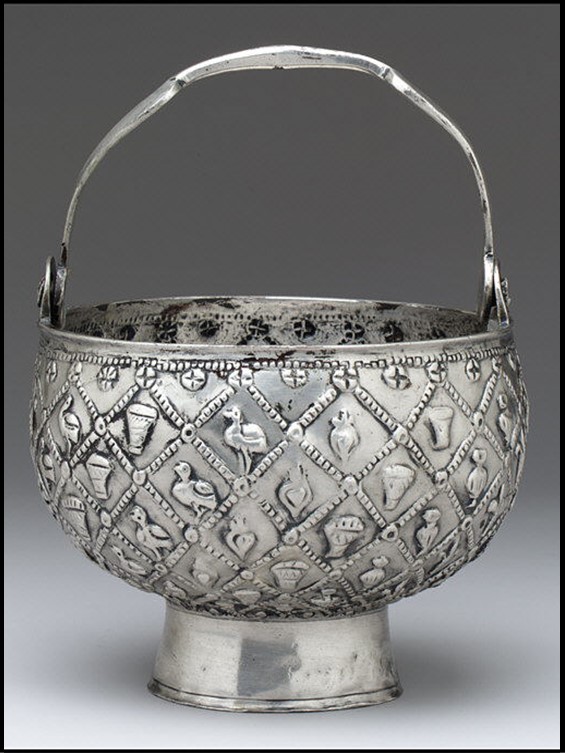
Unearthed in 1901 near Albania’s Via Egnatia, the Vrap Treasure’s exquisite Byzantine Silver Bucket — repoussé birds, flowers, and mysteries intact — captivates still from the MET.
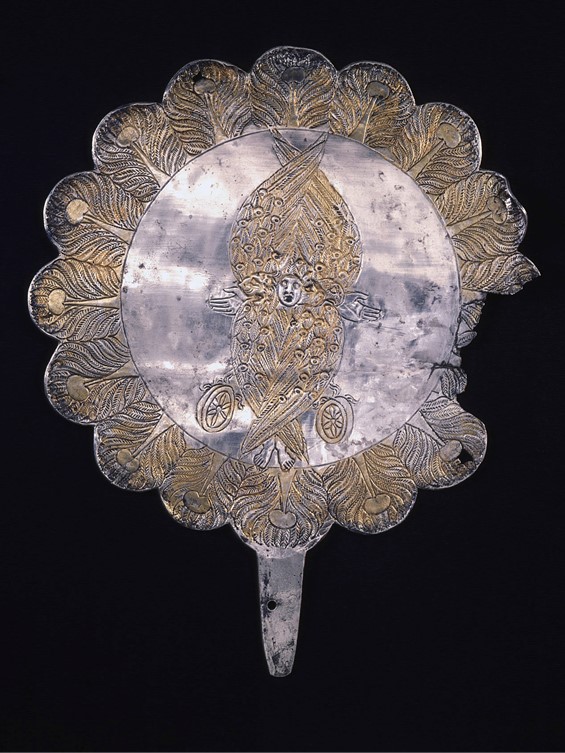
A 6th-century silver flabellum (rhipidion), now at Dumbarton Oaks, exemplifies both liturgical function and artistic refinement, once used to honor the Eucharist and protect sacred elements.
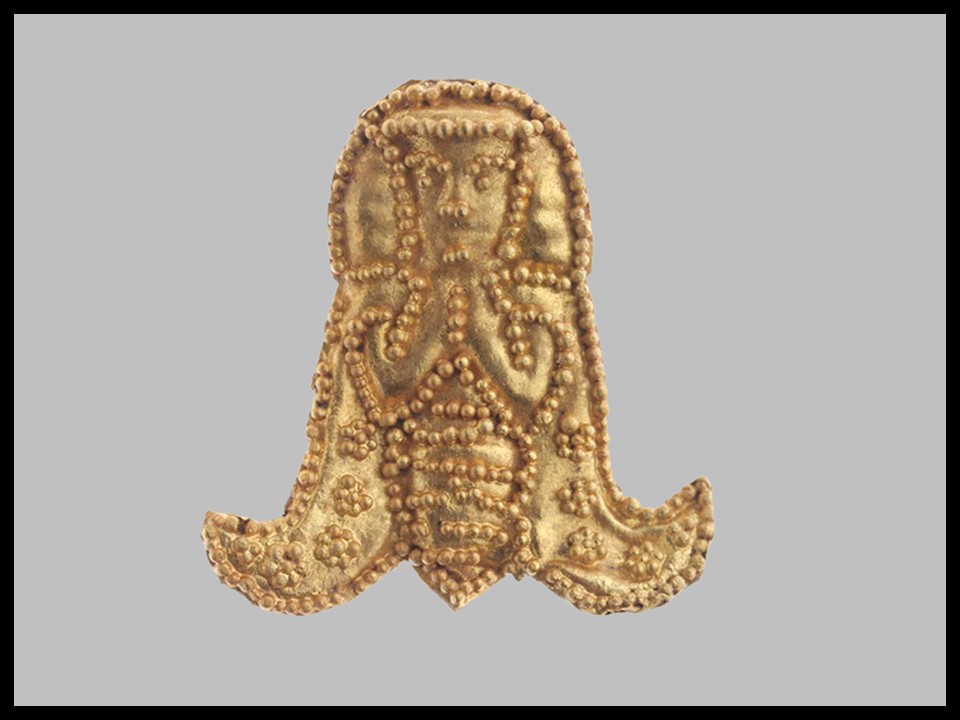
Celebrating World Bee Day, the ancient Bee Goddess Pendant of Eleutherna reflects early Greek reverence for bees as vital pollinators and powerful symbols of life, nature, and divine femininity.
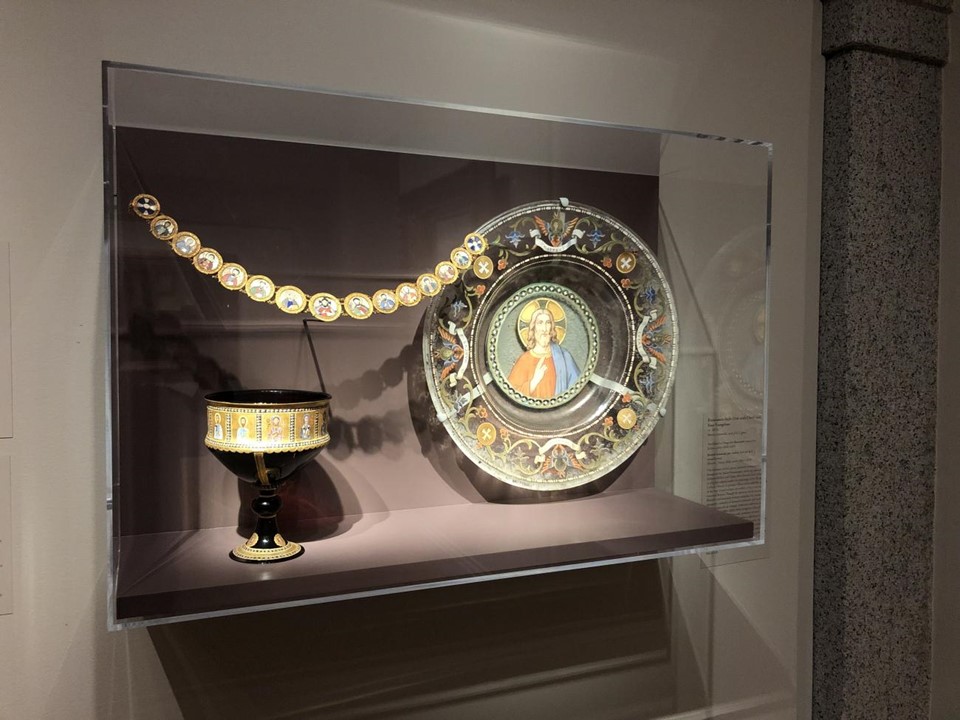
The Sargent, Whistler, and Venetian Glass: American Artists and the Magic of Murano highlights a Byzantine-style mosaic necklace whose debated origins—ancient or 19th-century revival—reflect Venice’s enduring fascination with Byzantine artistry and Murano craftsmanship.
Bronze Age brilliance shines in the Shropshire Gold “Sun” Pendant, a masterful object reflecting ancient beliefs, craftsmanship, and the enduring symbolic power of the sun in prehistoric Europe.
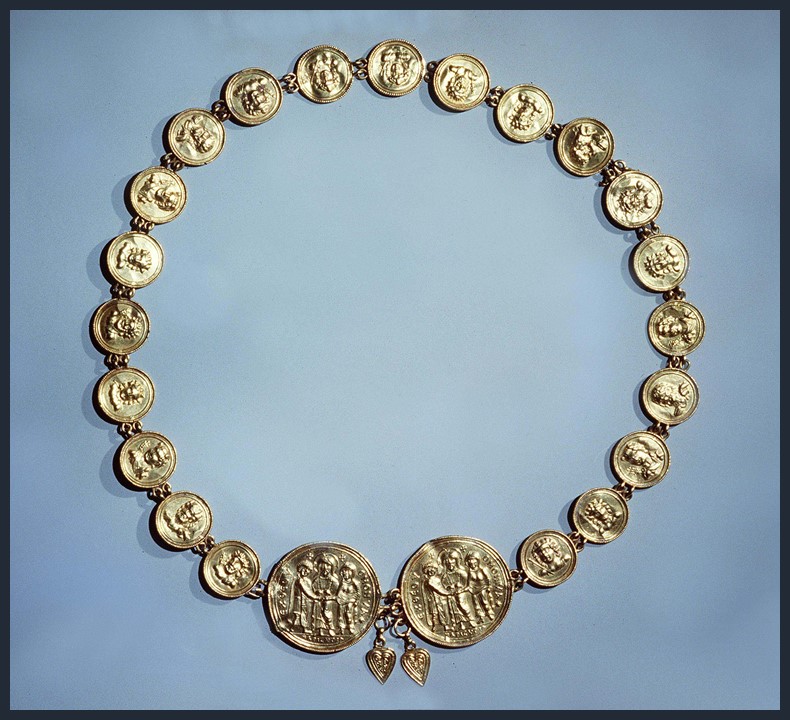
The Dumbarton Oaks Byzantine Marriage Belt unites sacred and pagan imagery, where Christ blesses a union framed by Dionysian figures, symbolising harmony between love, ritual, and cultural continuity in Byzantium.