The Head of Aphrodite of the Aspremont-Lynden/Arles type reflects Praxitelean ideals of serene, idealised femininity, later reinterpreted through Christian reuse and layered histories of adaptation, loss, and classical survival.
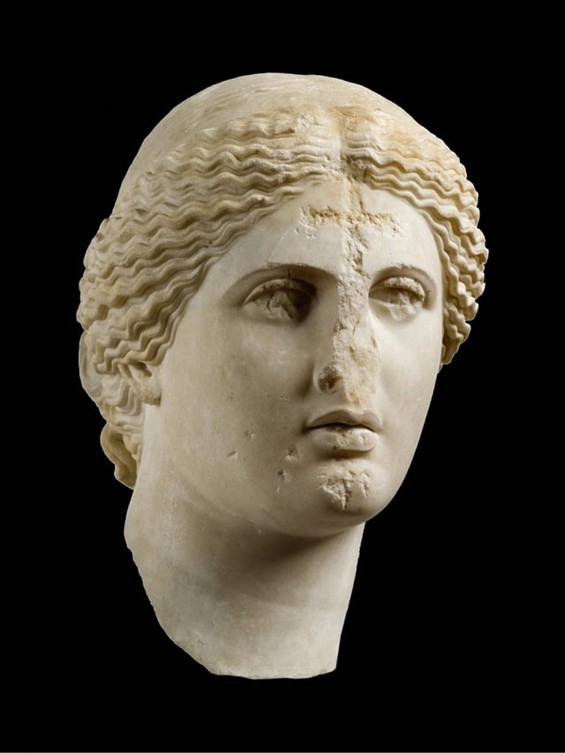
The Head of Aphrodite of the Aspremont-Lynden/Arles type reflects Praxitelean ideals of serene, idealised femininity, later reinterpreted through Christian reuse and layered histories of adaptation, loss, and classical survival.
Almond eyes once inlaid with rose glass, braided crown, classical folds — Chania’s mysterious Bust of a Lady offers a rare, intimate glimpse into late Roman Crete’s aristocratic world.
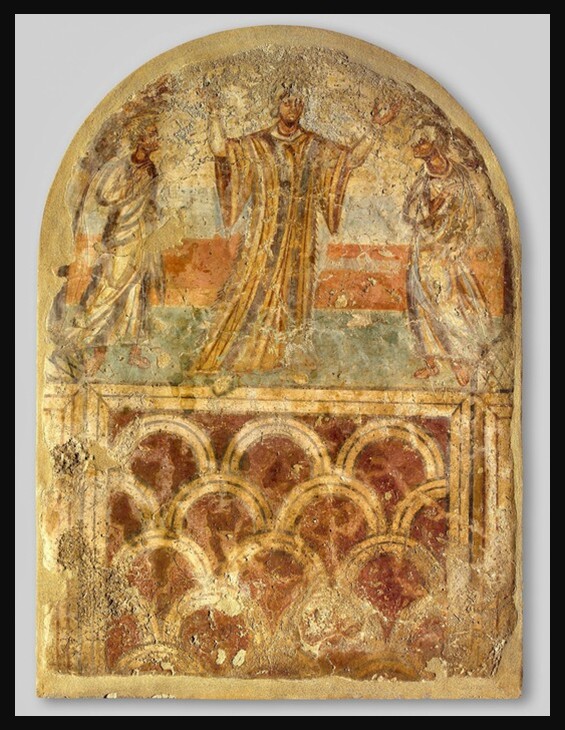
Susannah, a woman of rare beauty and deeper virtue, faced a cruel choice — submit or be condemned. Her unwavering courage became a timeless testament to virtue and truth.
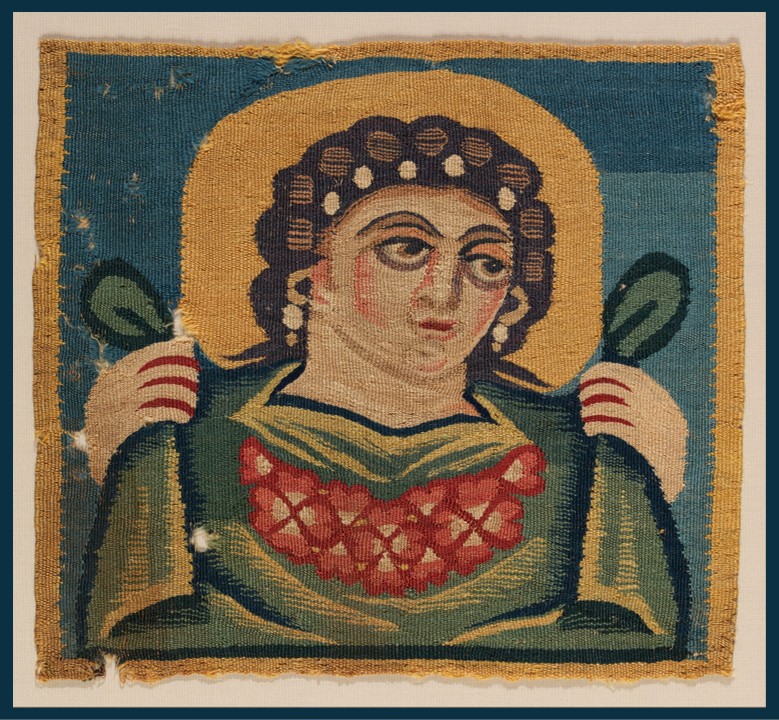
A tiny Coptic tapestry panel at the Met transforms into a profound meditation on renewal — its personification of Spring bridging pagan tradition, early Christian symbolism, and the timeless cycle of life.
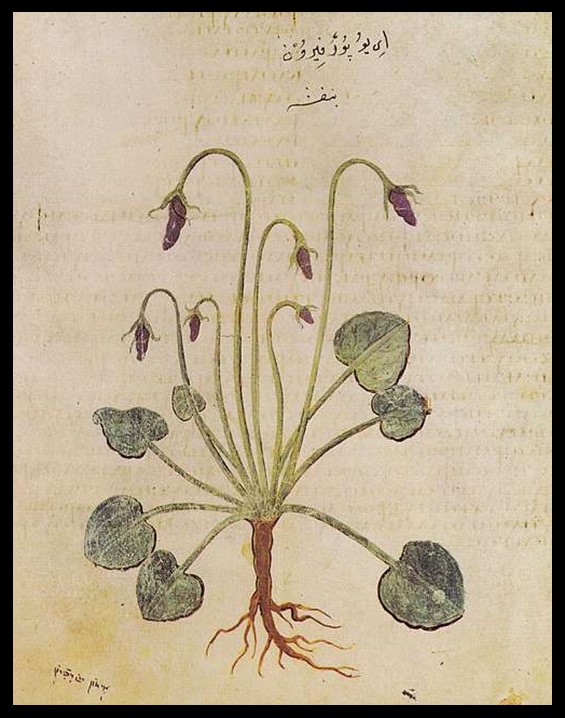
Explore the Vienna Dioscurides, a 6th-century fusion of art and science, preserving De Materia Medica through exquisite botanical illustrations and imperial patronage.
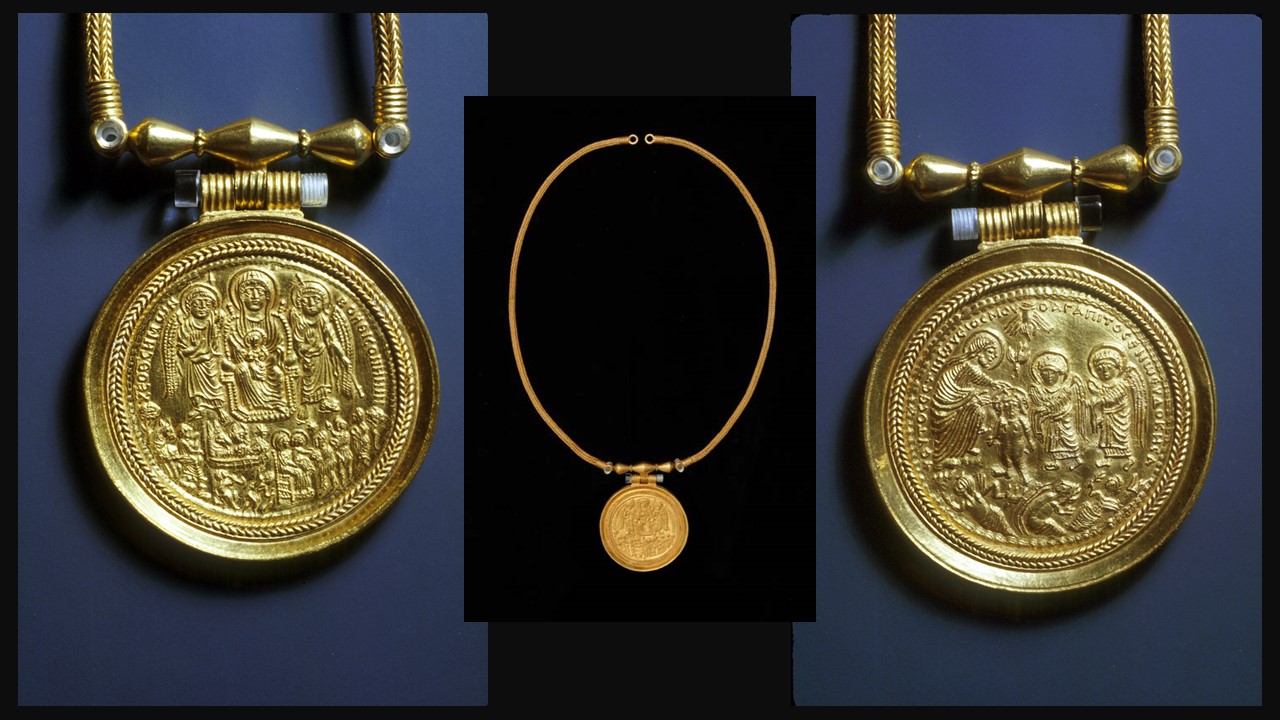
The Dumbarton Oaks Enkolpion beautifully unites faith and craftsmanship, its intricate scenes of the Virgin and Christ’s life reflecting Byzantine devotion, protection, and theological storytelling in wearable form.
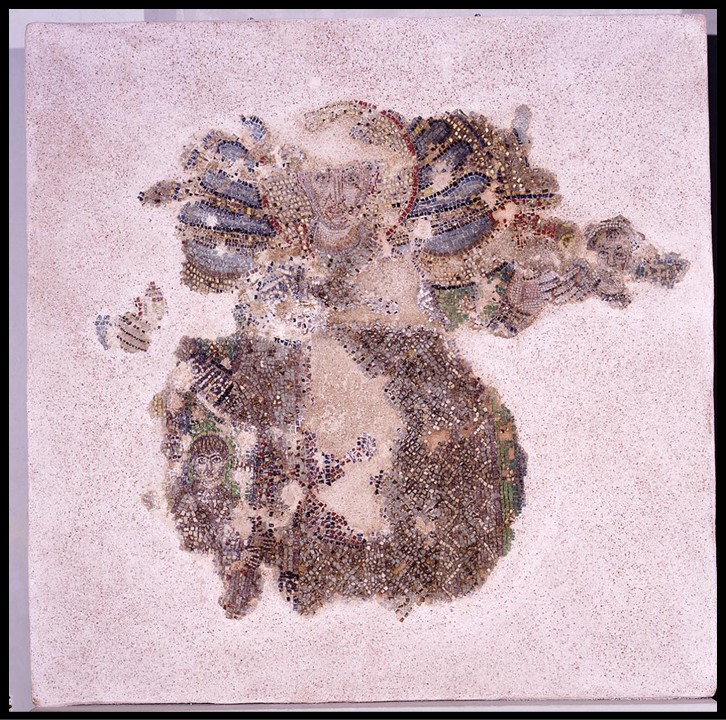
Unearthed in 1907, lost forever in Thessaloniki’s catastrophic 1917 fire, this surviving mosaic fragment of Saint Demetrios — patron, protector, martyr — remains a breathtaking link to Byzantine devotion.
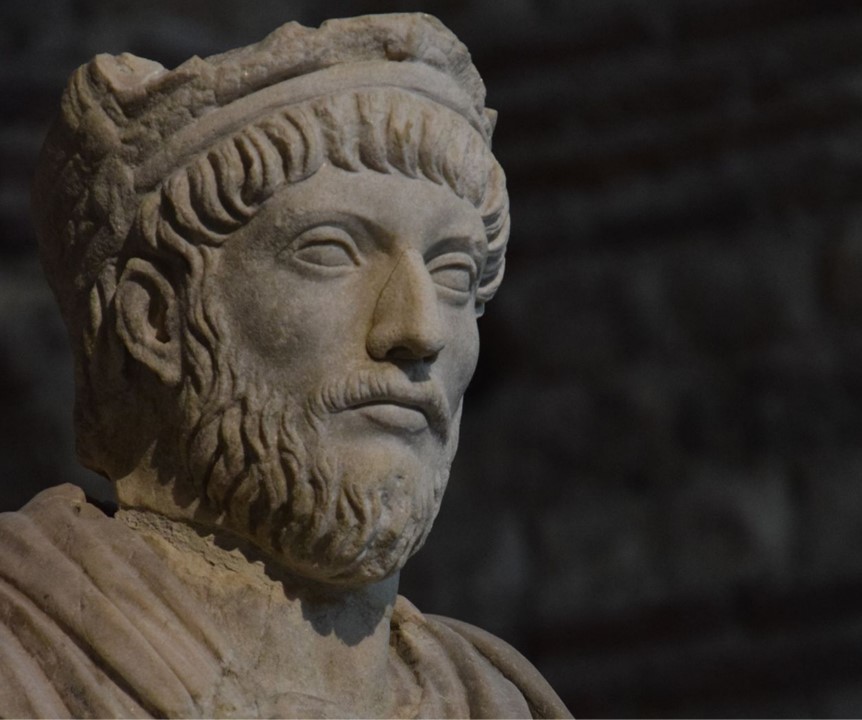
Julian the Apostate — pagan emperor, philosopher, self-mocking beard-hater — gazes enigmatically from a Musée de Cluny marble statue, his true identity still beautifully, tantalizingly unresolved.
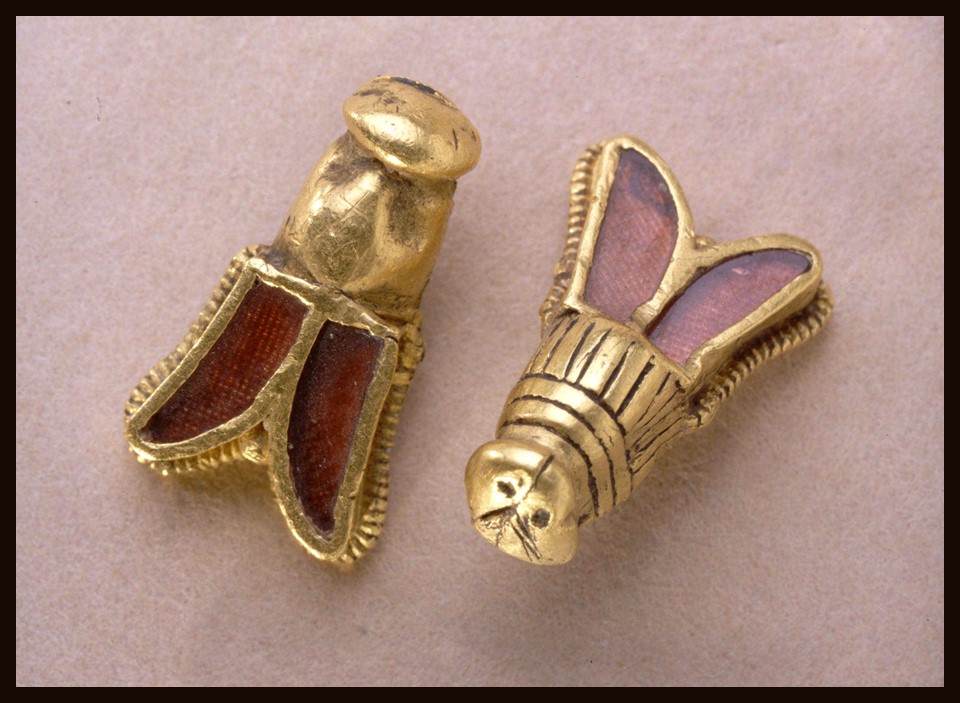
Childeric I’s golden bees — stolen, partially lost, yet immortalized on Napoleon’s coronation robe — connect a 5th-century Frankish king to France’s grandest imperial ambitions and enduring national identity.
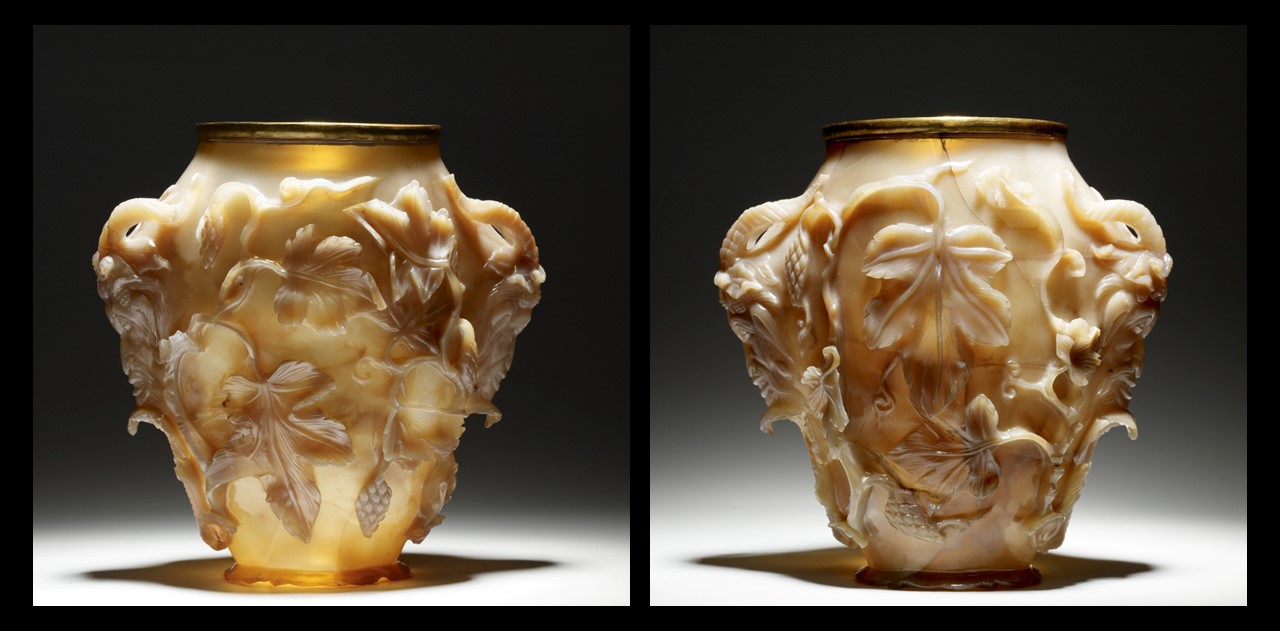
Rubens’ beloved agate vase — Byzantine imperial treasure, Crusader spoil, collector’s obsession — embodies one extraordinary object’s remarkable journey through power, passion, and artistic devotion.