Meissen Porcelain Manufactory reached extraordinary refinement in A Turkey, where Johann Joachim Kändler transforms porcelain into lifelike elegance and sculptural storytelling.
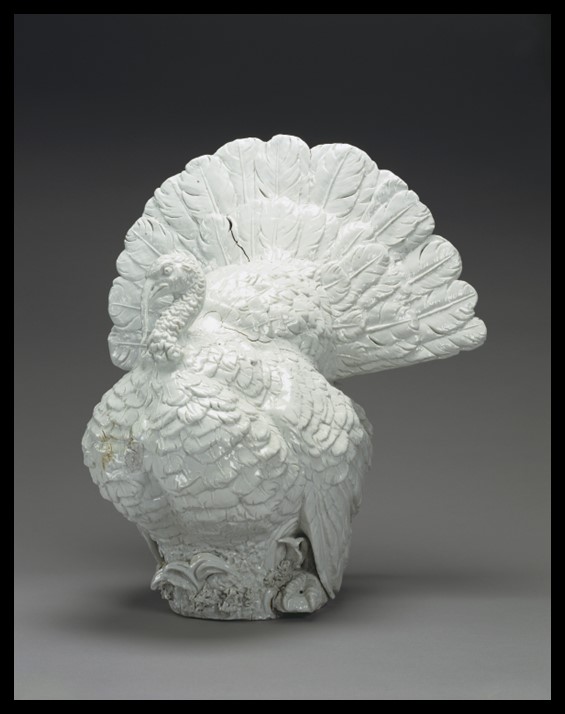
Meissen Porcelain Manufactory reached extraordinary refinement in A Turkey, where Johann Joachim Kändler transforms porcelain into lifelike elegance and sculptural storytelling.
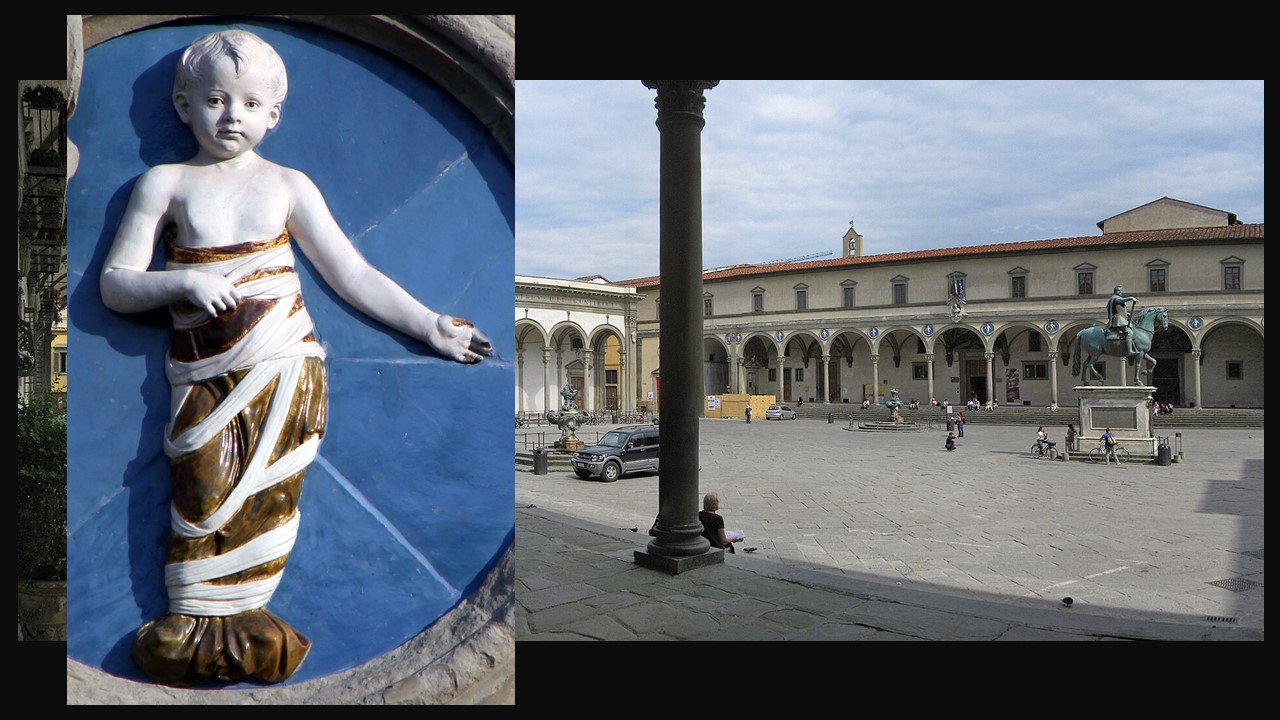
Explore Florence’s Ospedale degli Innocenti — Brunelleschi’s Renaissance masterpiece built for orphaned children, adorned with Andrea della Robbia’s tender glazed terracotta roundels, celebrating innocence, compassion, and timeless artistic beauty.
Discover Romanesque art and architecture — a medieval European legacy of massive stone structures, rounded arches, and richly sculpted portals conveying Christian teachings through breathtaking artistry and timeless symbolic storytelling.
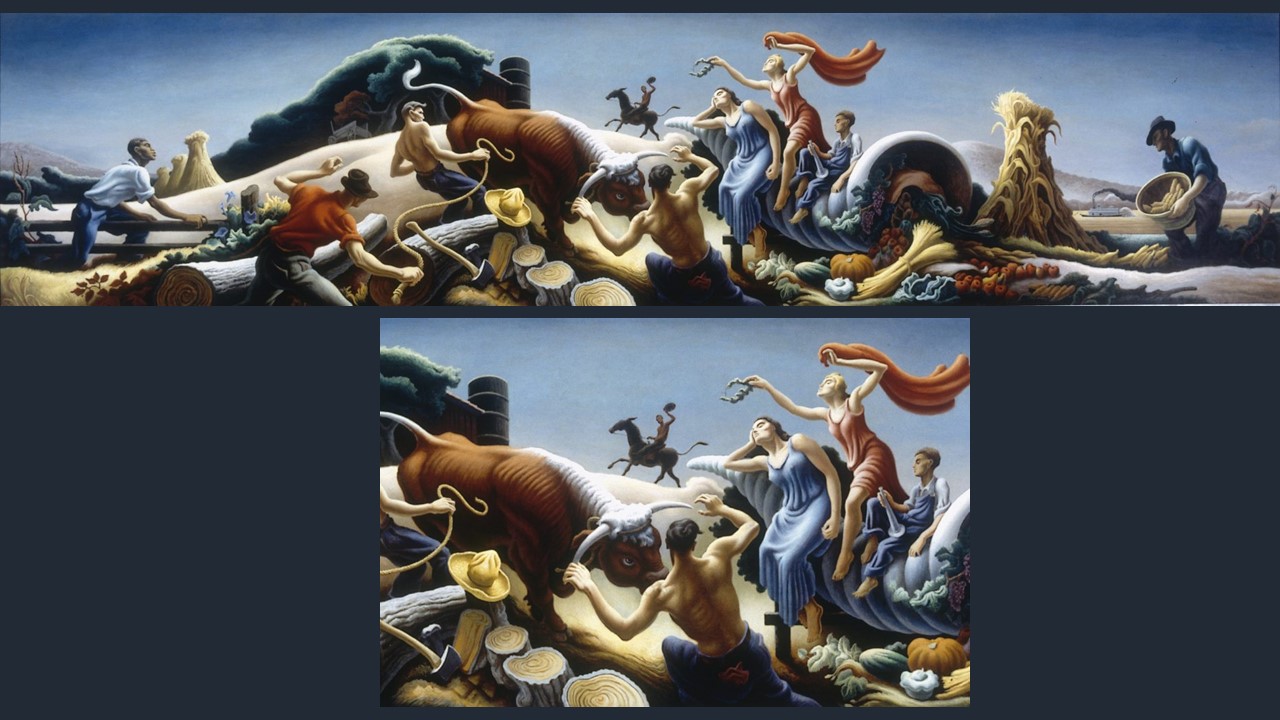
Explore Thomas Hart Benton’s masterful 1947 mural reimagining the Greek myth of Achelous and Hercules — a powerful fusion of classical mythology and the American Midwest’s spirit of strength and abundance.
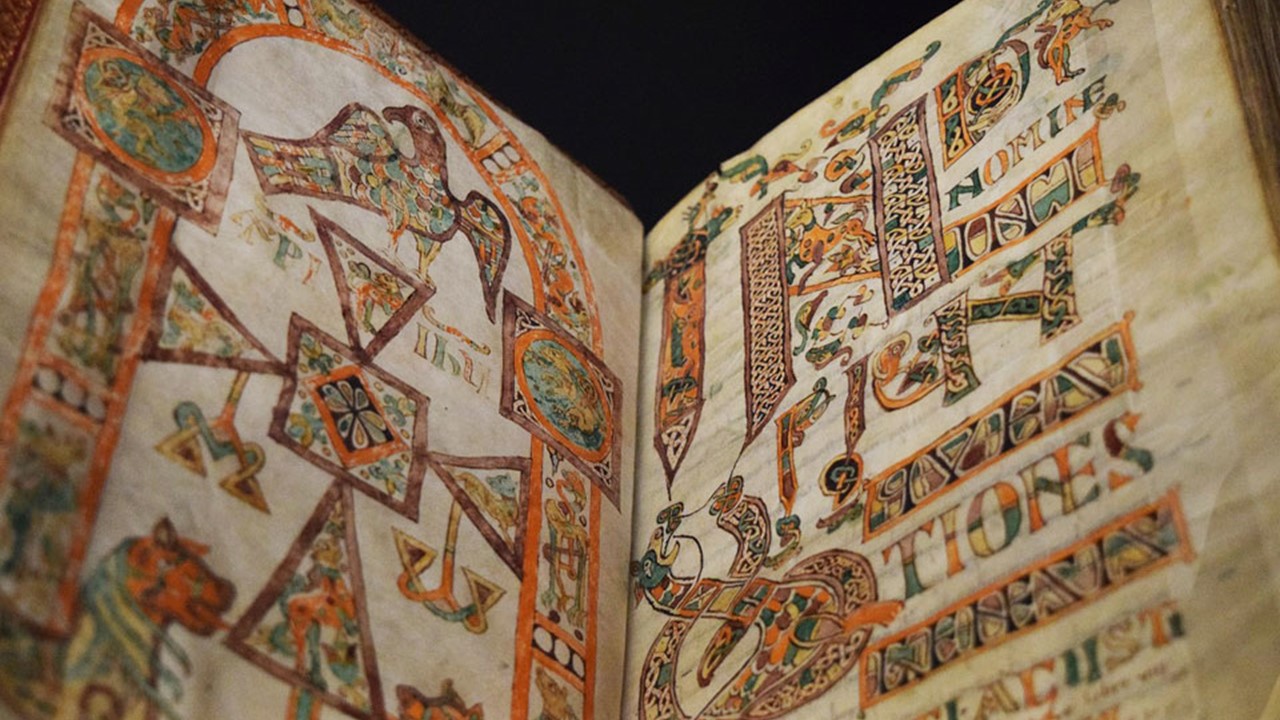
Uncover the legendary Merovingian Dynasty — Frankish rulers who shaped medieval Europe from the 5th to 8th centuries, leaving a rich legacy of myth, metalwork, and early Christian culture.
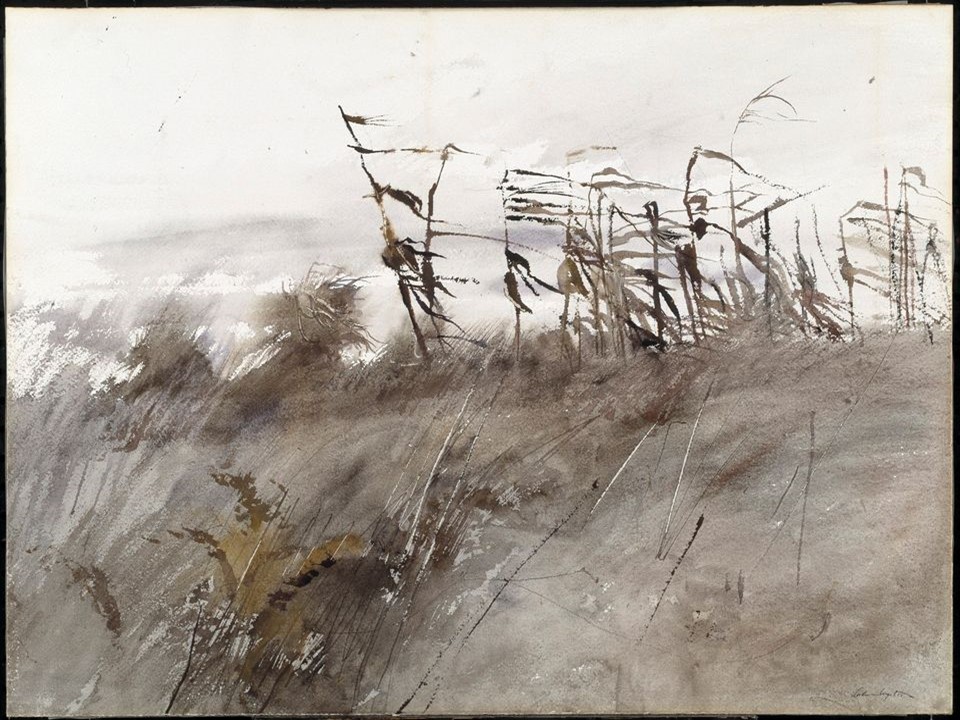
Through muted ochres and November greys, Andrew Wyeth’s watercolour November First tenderly captures the quiet beauty of decay and renewal — a meditation on solitude, nature’s cycles, and passing time.
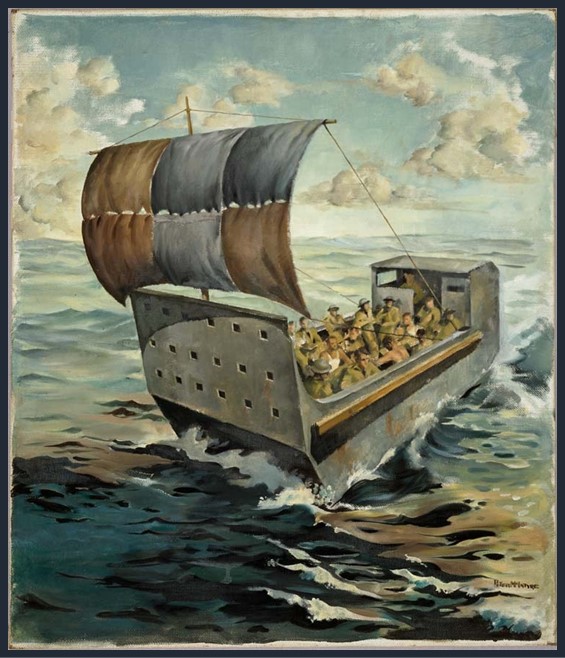
Discover Peter McIntyre’s powerful paintings of the 1941 Battle of Crete — a New Zealand war artist’s firsthand visual record of courage, sacrifice, and the unforgettable human cost of war.
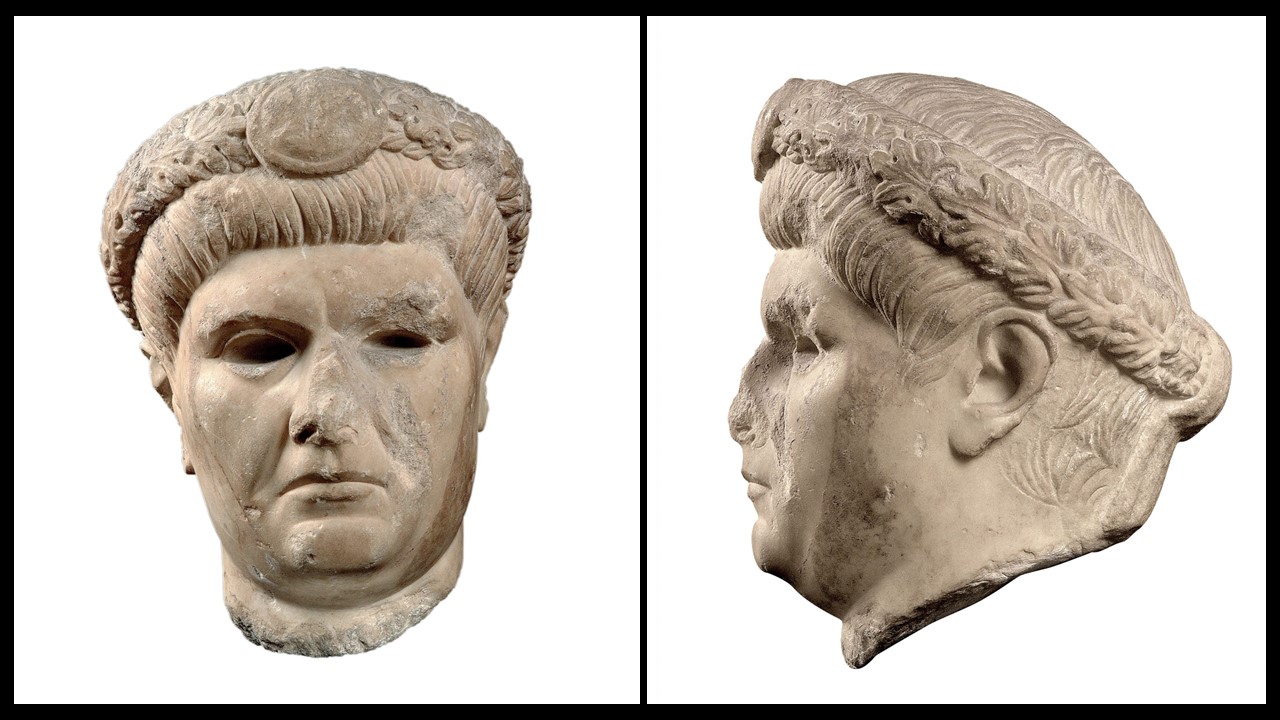
Meet Emperor Galerius — the Roman Tetrarchy’s formidable ruler whose enduring monuments still grace Thessaloniki today, a warrior emperor whose stern portrait powerfully embodies absolute imperial authority and unwavering strength.
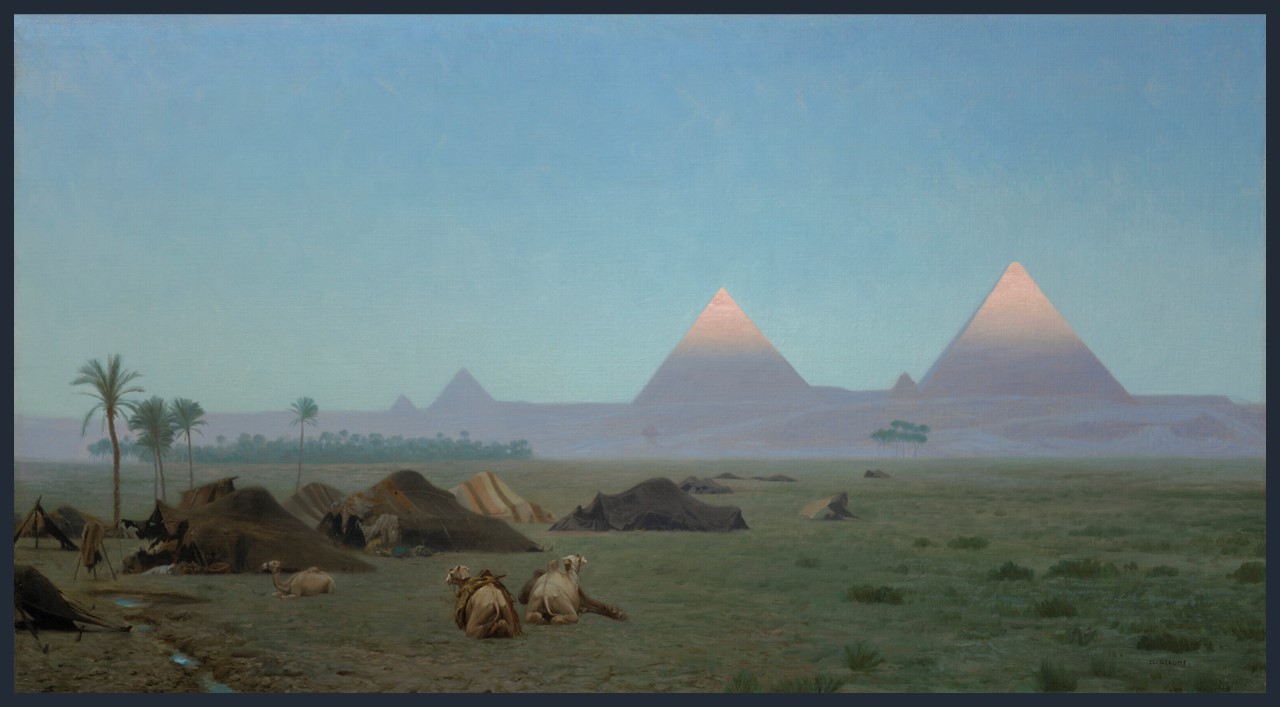
Explore Jean-Léon Gérôme’s breathtaking The First Kiss of the Sun — a masterful Orientalist vision of Giza’s pyramids bathed in golden morning light, painted with ethereal beauty and meticulous precision.
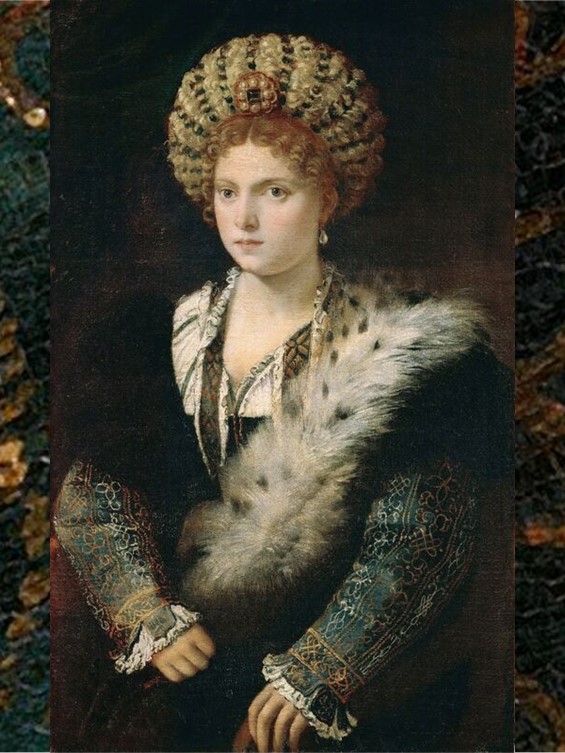
Discover Titian’s captivating Portrait of Isabella d’Este — a masterful Renaissance likeness of the powerful Marchioness of Mantua, radiating regal elegance, timeless beauty, and the divine power of great portraiture.