Explore the Vienna Dioscurides, a 6th-century fusion of art and science, preserving De Materia Medica through exquisite botanical illustrations and imperial patronage.
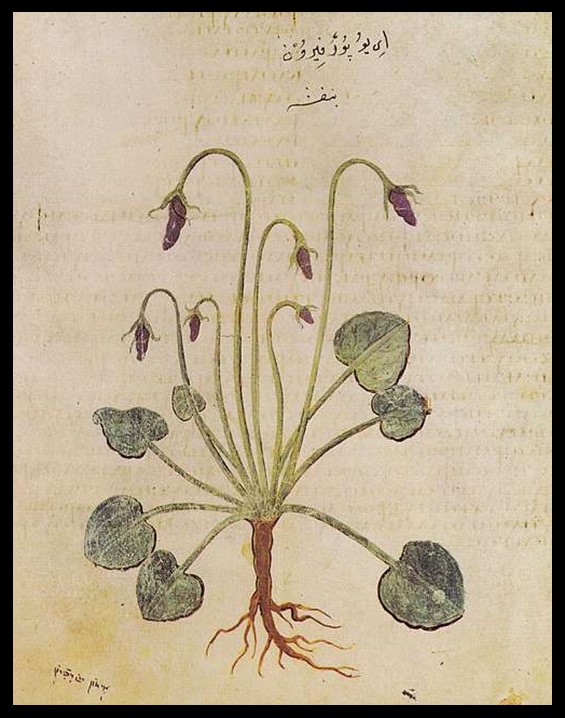
Explore the Vienna Dioscurides, a 6th-century fusion of art and science, preserving De Materia Medica through exquisite botanical illustrations and imperial patronage.
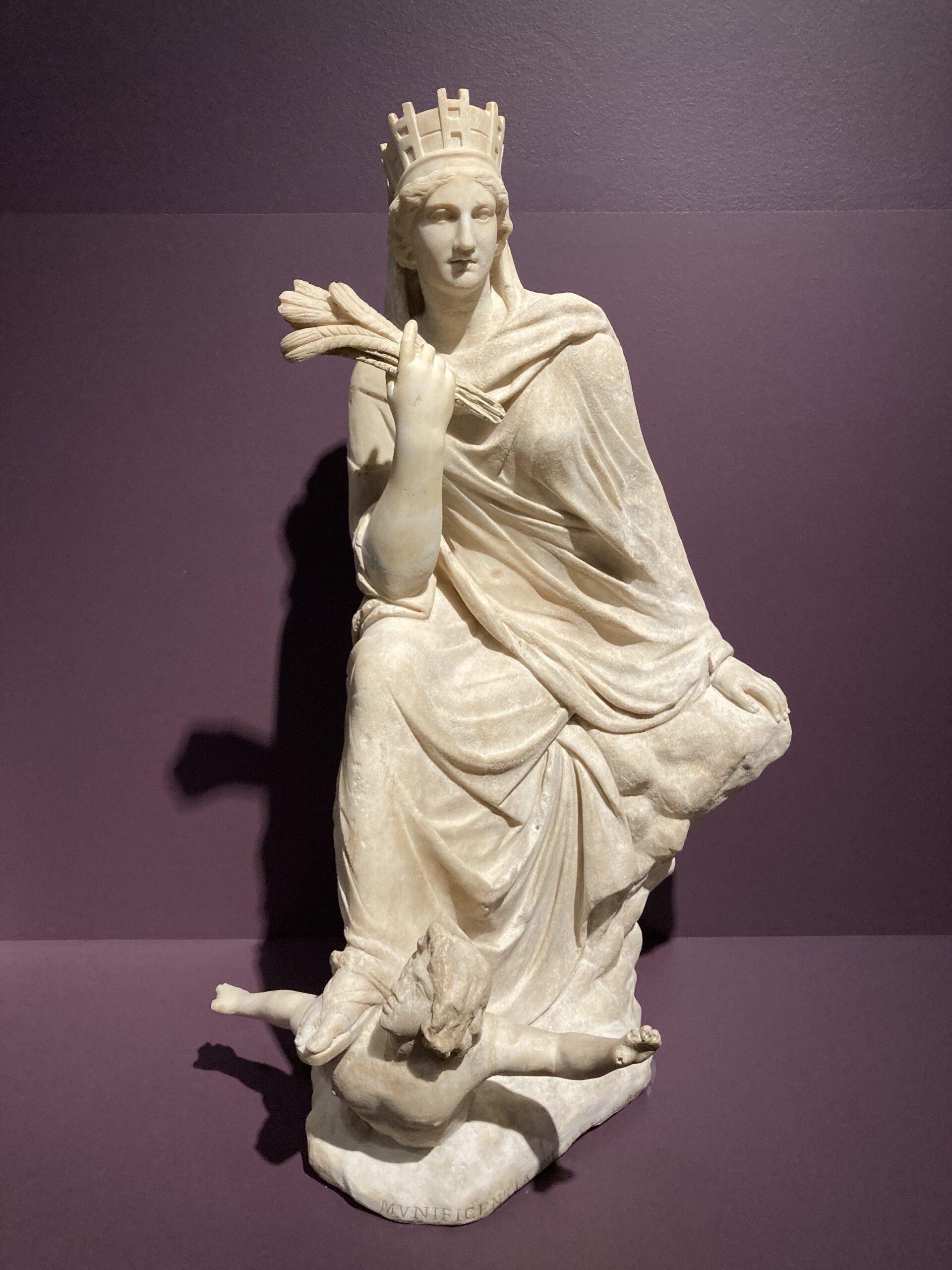
The Tyche of Antioch powerfully embodies Antioch’s legendary foundation, translating Seleucus’ divinely guided vision into marble through symbols of protection, prosperity, and the life-giving flow of the Orontes River.
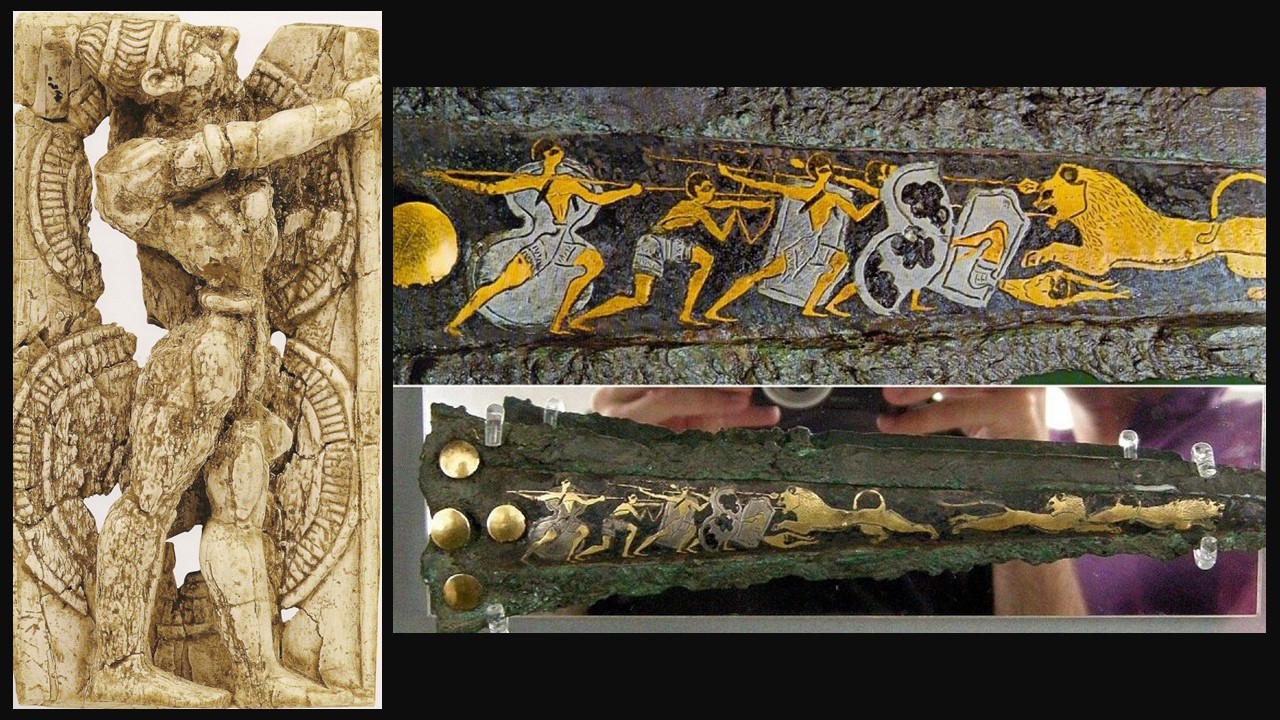
Discover the Figure-of-Eight Shield, an iconic symbol of Mycenaean Greece, blending innovative design, full-body protection, and elite warrior status in Aegean warfare.

Experience Winter Evening in the Country by Jasper Francis Cropsey—a tranquil winter landscape blending poetic light, nostalgia, and post-Civil War reflection.
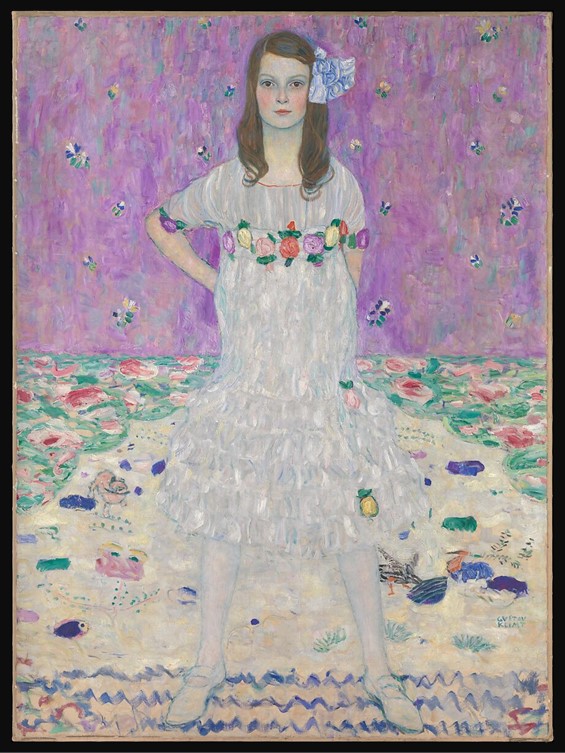
Discover Portrait of Mäda Primavesi by Gustav Klimt—a vibrant Vienna Secession portrait capturing youthful confidence, individuality, and modern decorative artistry.
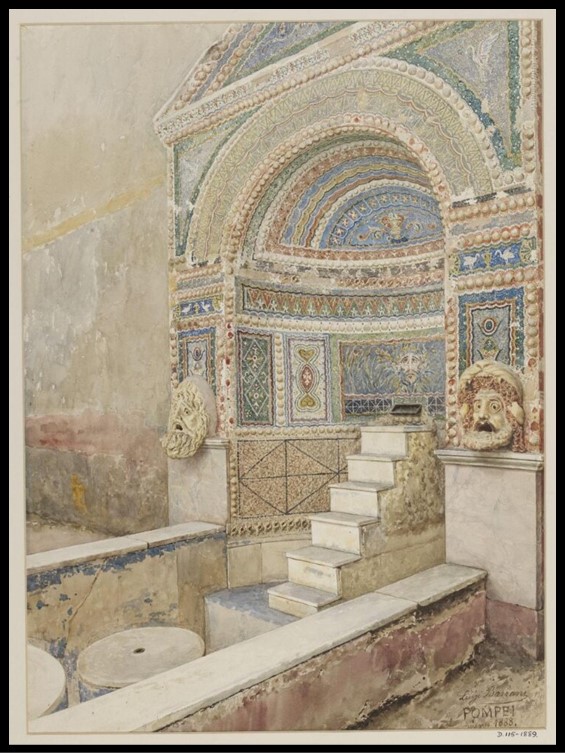
Explore Pompeii watercolours by Luigi Bazzani—where art meets archaeology, capturing the haunting beauty and living memory of Pompeii.
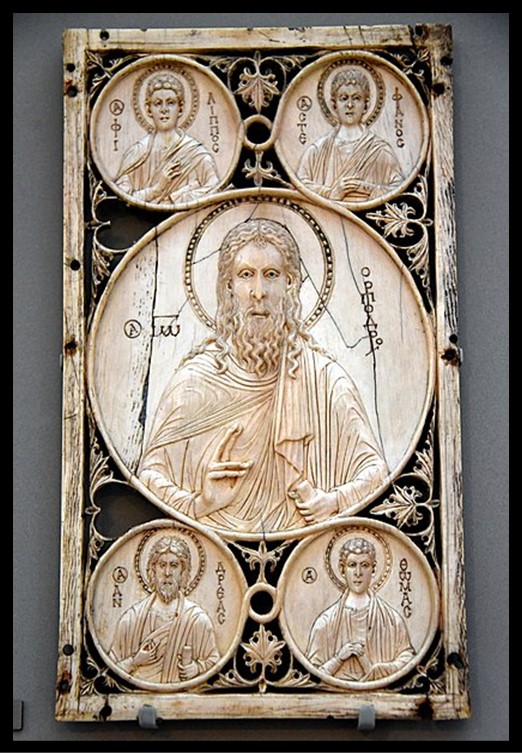
Discover the Ivory Plaque of St John the Baptist and Four Saints—a masterful Byzantine work reflecting devotion, symbolism, and the enduring legacy of Saint John the Baptist.
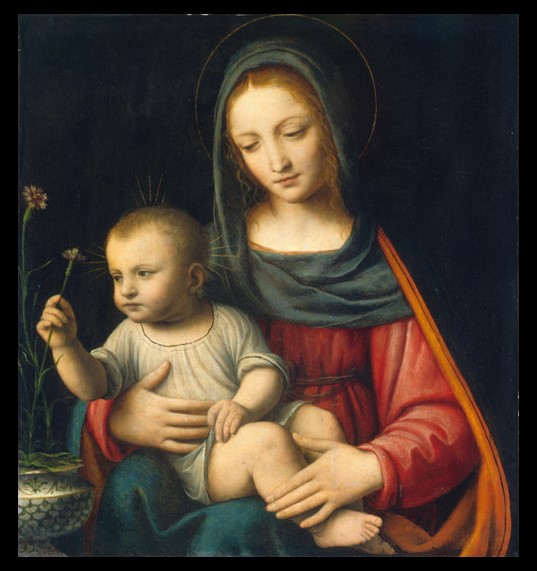
In Madonna of the Carnation, Bernardino Luini transforms the carnation into a quiet symbol of divine love, purity, and foreshadowed sacrifice within an intimate mother-and-child scene.
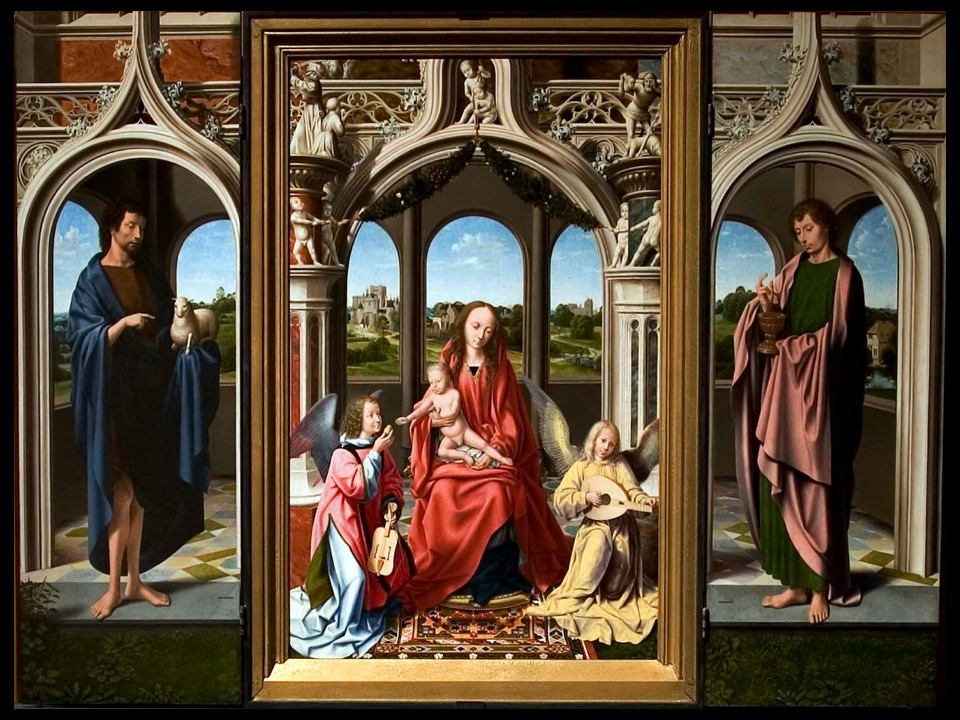
Discover the Morrison Triptych by the Master of the Morrison Triptych—a luminous work exploring sin, redemption, and devotional beauty.
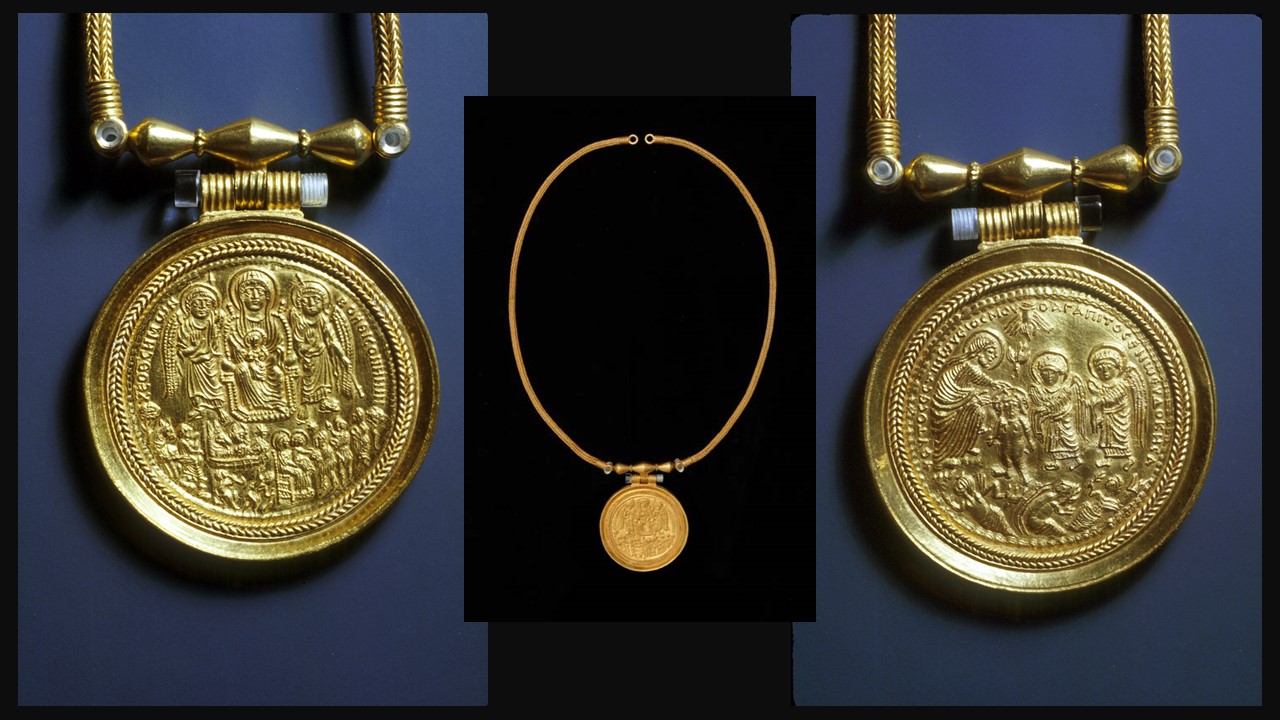
The Dumbarton Oaks Enkolpion beautifully unites faith and craftsmanship, its intricate scenes of the Virgin and Christ’s life reflecting Byzantine devotion, protection, and theological storytelling in wearable form.