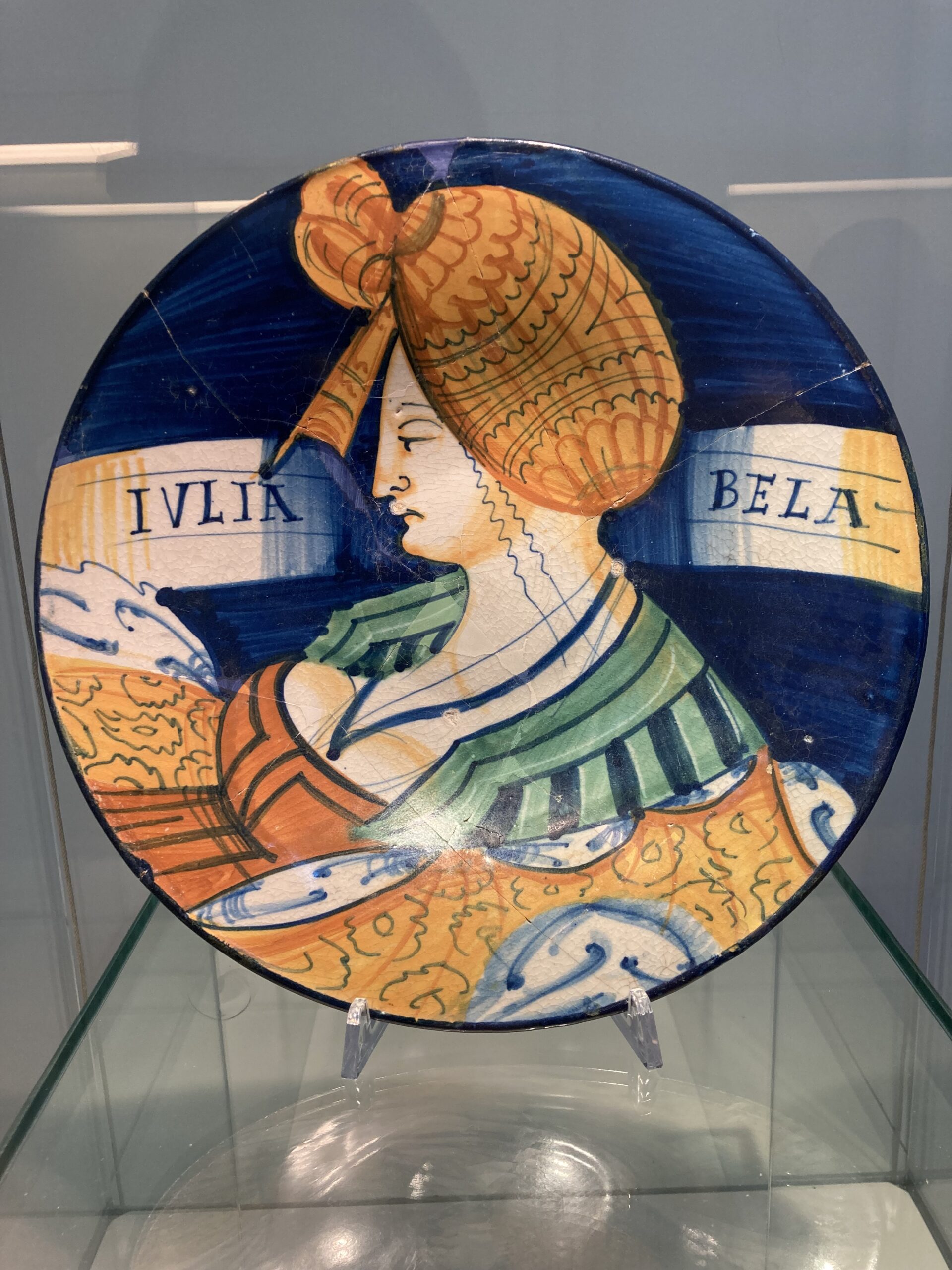
The IVLIA BELLA plate from Faenza exemplifies early Renaissance maiolica, celebrating idealized feminine beauty through refined portraiture, elegant inscription, and humanist aesthetics that reflect the period’s growing fascination with individuality, love, and artistic refinement.
Andrea della Robbia’s tender Portrait of a Child
Andrea della Robbia’s glazed terracotta Portrait of a Child embodies Renaissance ideals of innocence and care, using luminous color and tender naturalism to celebrate childhood and reflect enduring values of compassion and human dignity.
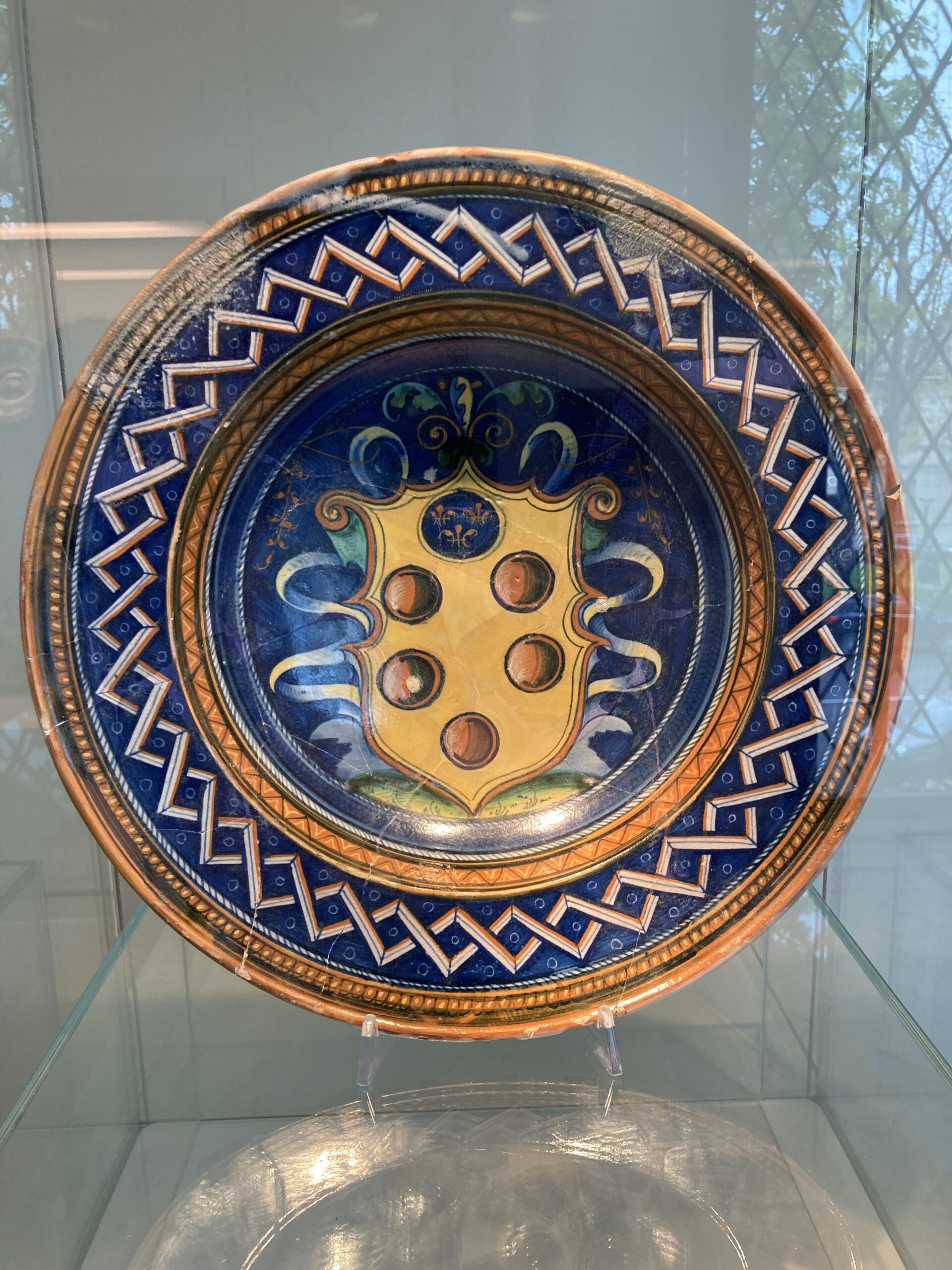
The Medici in Faenza
Faenza gave the world faïence — and the International Museum of Ceramics preserves its greatest treasures, including a small, exquisite Majolica plate that quietly speaks of Medici power.
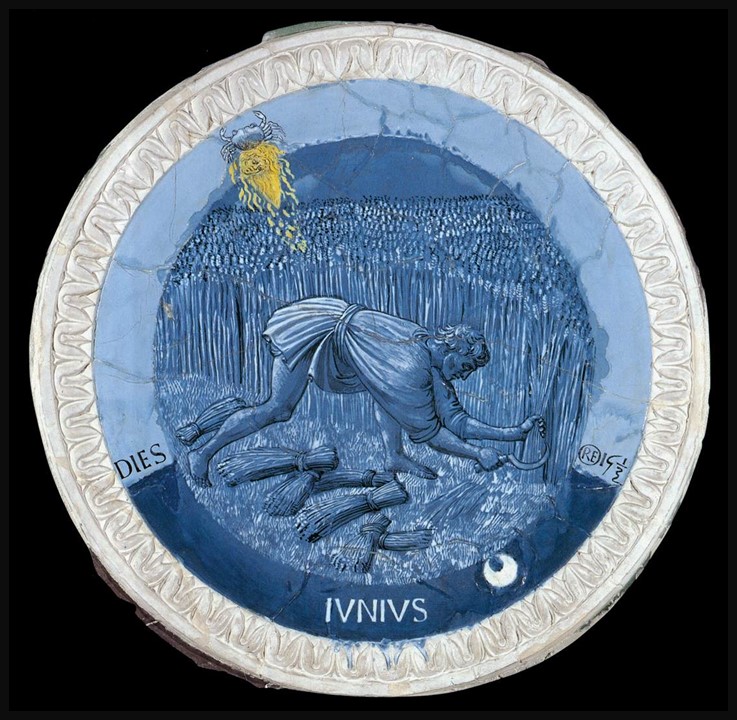
The Labours of the Months by Luca della Robbia
Luca della Robbia’s twelve glazed terracotta roundels — crafted for Piero de’ Medici’s intimate studietto — celebrate each month’s labour with exquisite Renaissance artistry, now treasured at the V&A.
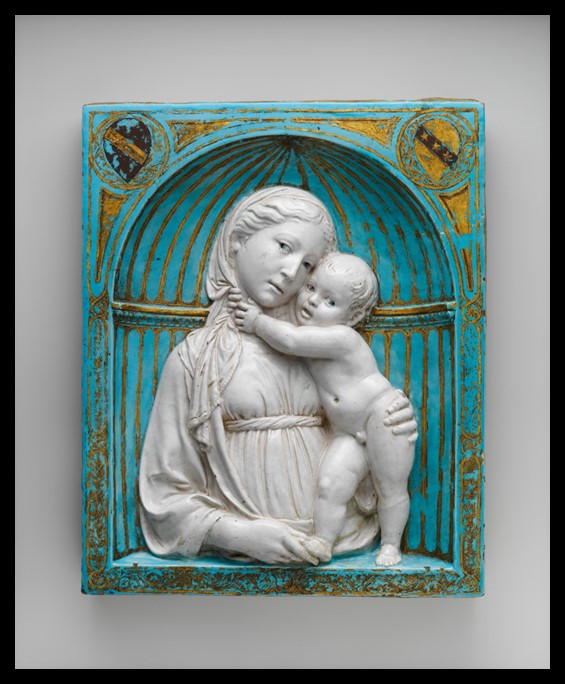
Bliss Madonna by Luca della Robbia
Virgin and Child in a Niche (Bliss Madonna) exemplifies Renaissance innovation, where glazed terracotta becomes luminous, timeless devotion—merging spiritual intimacy, classical harmony, and technical mastery in a serene image of sacred tenderness.
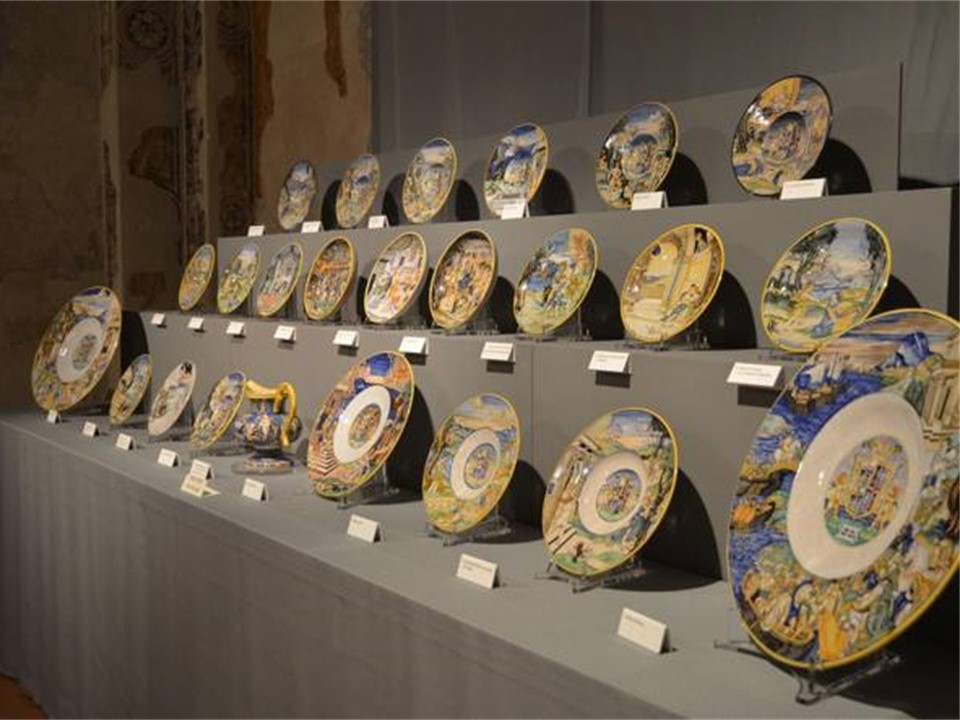
Maiolica Credenza
Eleonora Gonzaga’s magnificent gift to her mother Isabella d’Este — twenty-three maiolica dishes by Nicola da Urbino, the “Raphael of Maiolica” — united mythology, Renaissance patronage, and extraordinary ceramic artistry.