Teacher Curator

Art History - Education

  • Home
  • Who am I?
  • Blog

HomeGreek Sculpture

Posts tagged: Greek Sculpture

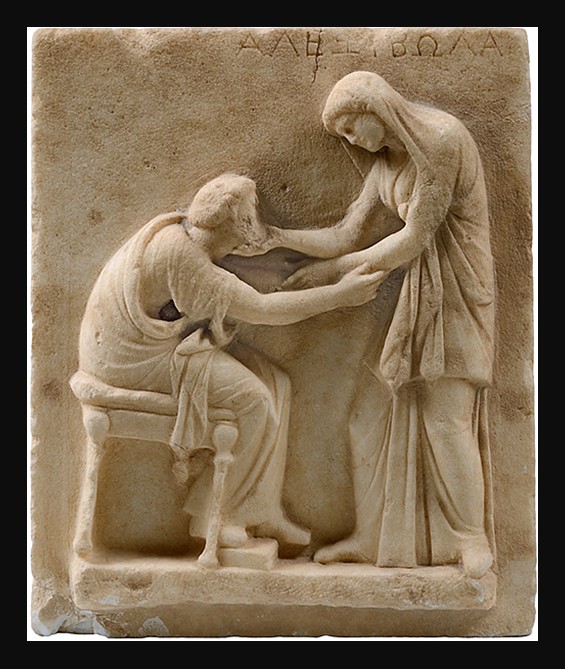
Alexibola: Funerary Stele with Scene of Greeting, early 3rd century BC, Marble, Archaeological Museum of Thera, Greece

Funerary Stele of Alexibola

November 13, 2025
by Amalia Spiliakou Ancient Greek ArtArchaeologyTeaching Resources

The Funerary Stele of Alexibola from Thera captures the emotional depth of Classical Greek art, depicting a tender farewell between father and daughter through restrained gesture, dignity, and timeless expressions of love and human connection.
Read More
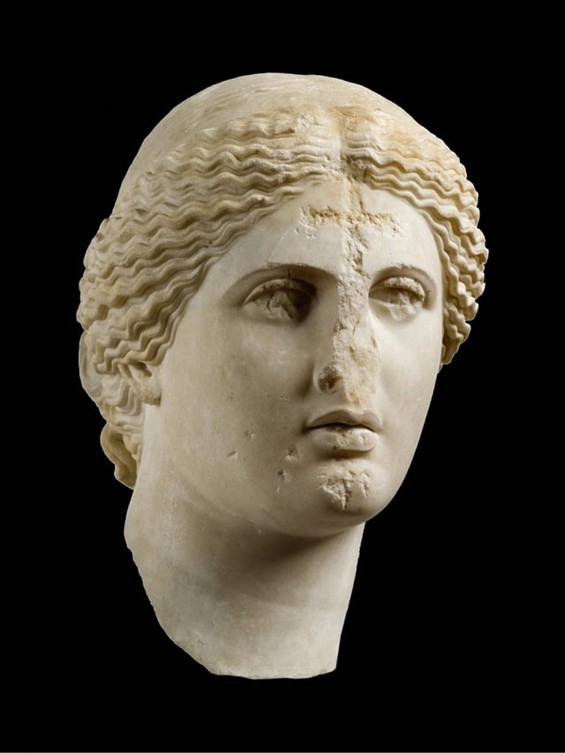
Head of Aphrodite of the Aspremont-Lynden/Arles type, 1st c. AD copy of an original 4th century BC work by Praxiteles, Marble, possibly Parian (Marathi), Height: 32 cm, National Archaeological Museum, Athens, Greece

Head of Aphrodite of the Aspremont-Lynden/Arles type 

September 22, 2025
by Amalia Spiliakou Ancient Greek ArtArchaeologyEarly Christian ArtRoman ArtTeaching Resources

The Head of Aphrodite of the Aspremont-Lynden/Arles type reflects Praxitelean ideals of serene, idealised femininity, later reinterpreted through Christian reuse and layered histories of adaptation, loss, and classical survival.
Read More
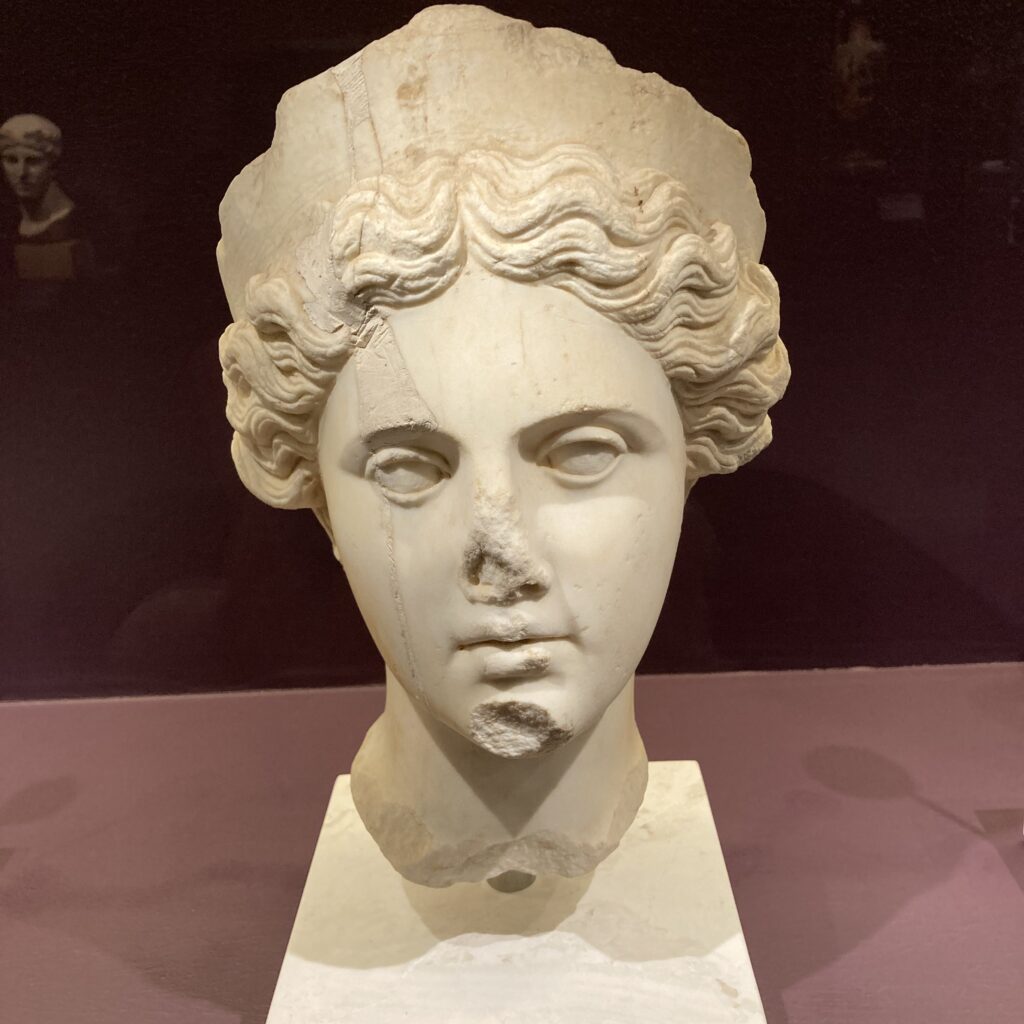
Head of Nemesis, the personification of attribution of Justice in the Museum of Ancient Agora, Athens.

Head of Nemesis

November 14, 2024
by Amalia Spiliakou Ancient Greek ArtArchaeologyRoman ArtTeaching Resources

Standing before the Head of Nemesis, I can almost feel the weight of divine retribution she carries — the ever-watchful enforcer of balance, striking down human arrogance.
Read More
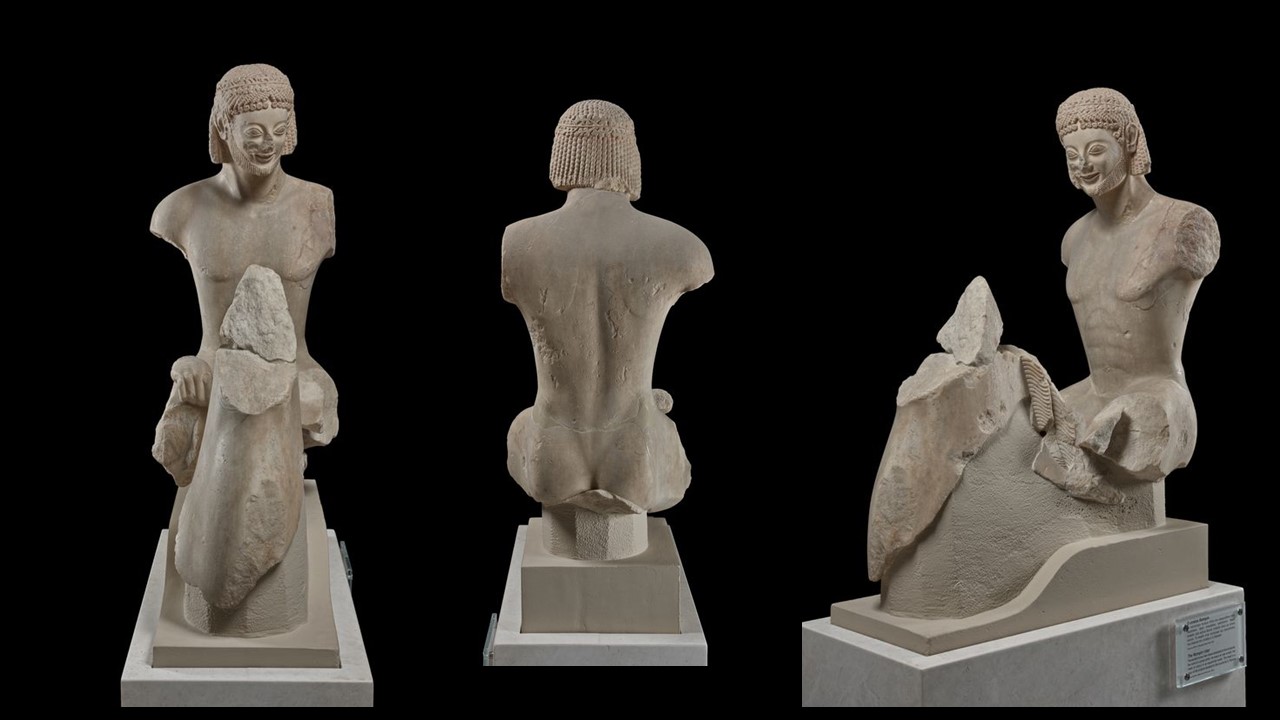
The Rampin Rider is an Archaic Period statue.

The Rampin Rider

September 5, 2024
by Amalia Spiliakou Ancient Greek ArtArchaeologyTeaching Resources

The Rampin Rider — Athens’ oldest equestrian statue, his archaic smile split between the Louvre and the Acropolis Museum — eternally celebrates aristocratic victory, youth, and athletic glory.
Read More
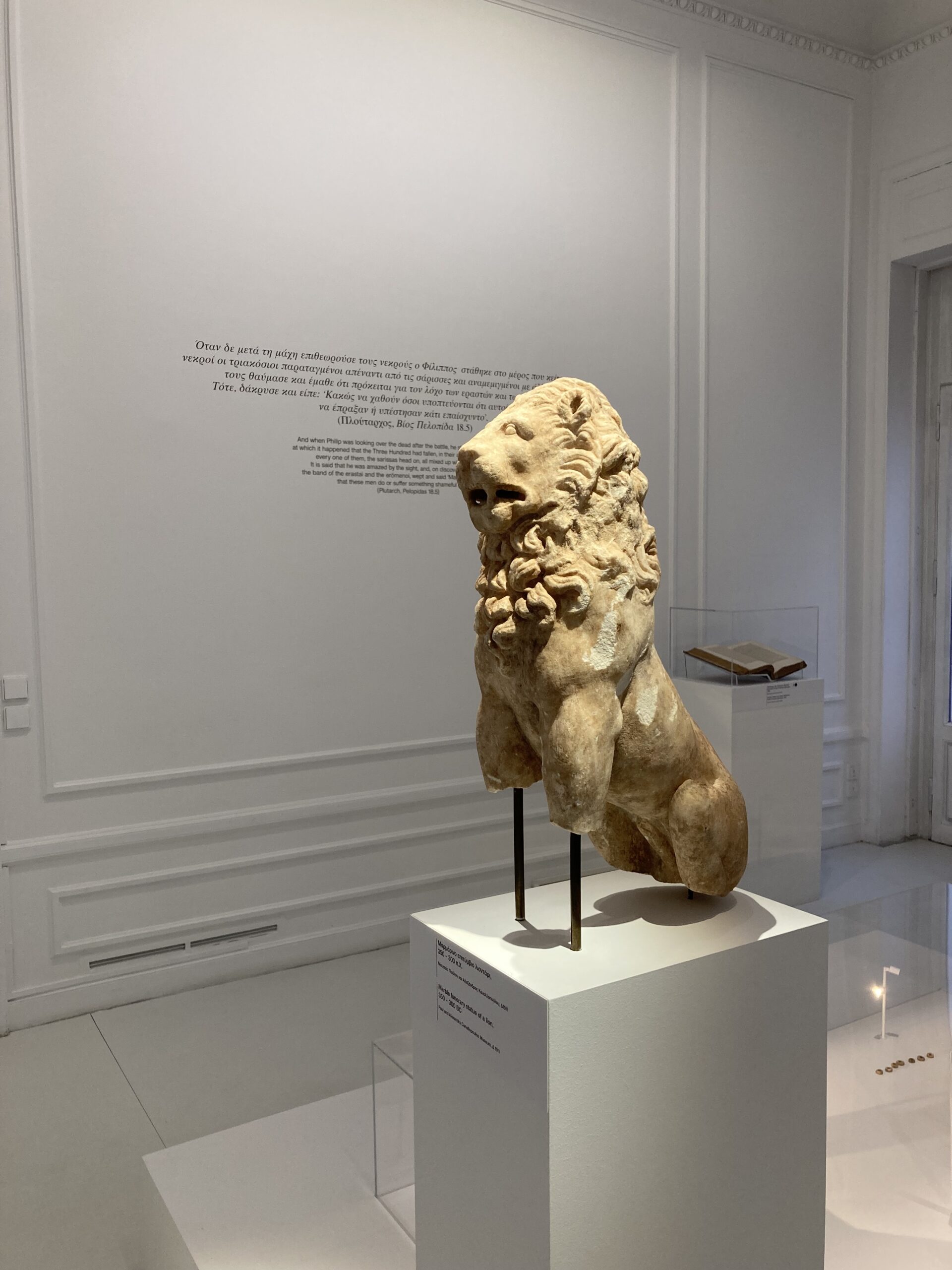
Lion from a grave monument, Paul and Alexandra Canellopoulos Museum, Athens, Greece

Lion from a Grave Monument in the Canellopoulos Museum

June 8, 2024
by Amalia Spiliakou Ancient Greek ArtArchaeologyTeaching Resources

Two marble lions — one intimate, one monumental — guard the memory of ancient Greece’s fallen heroes, where the Battle of Chaeronea forever changed the course of Western civilization.
Read More
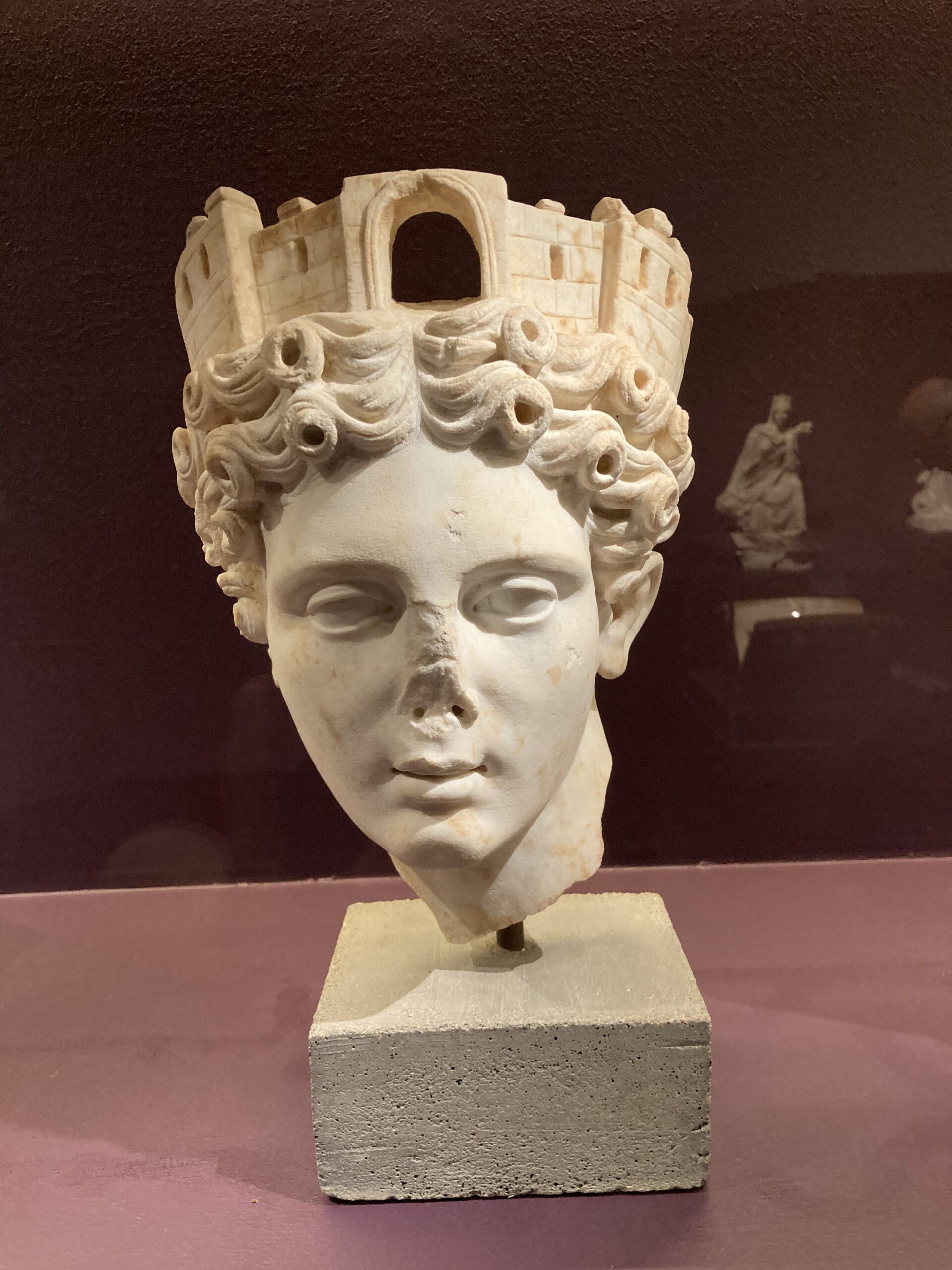
Head of Goddess Tyche (Fortune) with a mural crown, the personification of the city of Corinth

Head of Goddess Tyche from Corinth

May 7, 2024
by Amalia Spiliakou Ancient Greek ArtRoman ArtTeaching Resources

Corinth’s magnificent marble Tyche — fortune’s goddess crowned with city walls — embodies Rome’s profound belief that divine favour, civic destiny, and human prosperity are eternally intertwined.
Read More
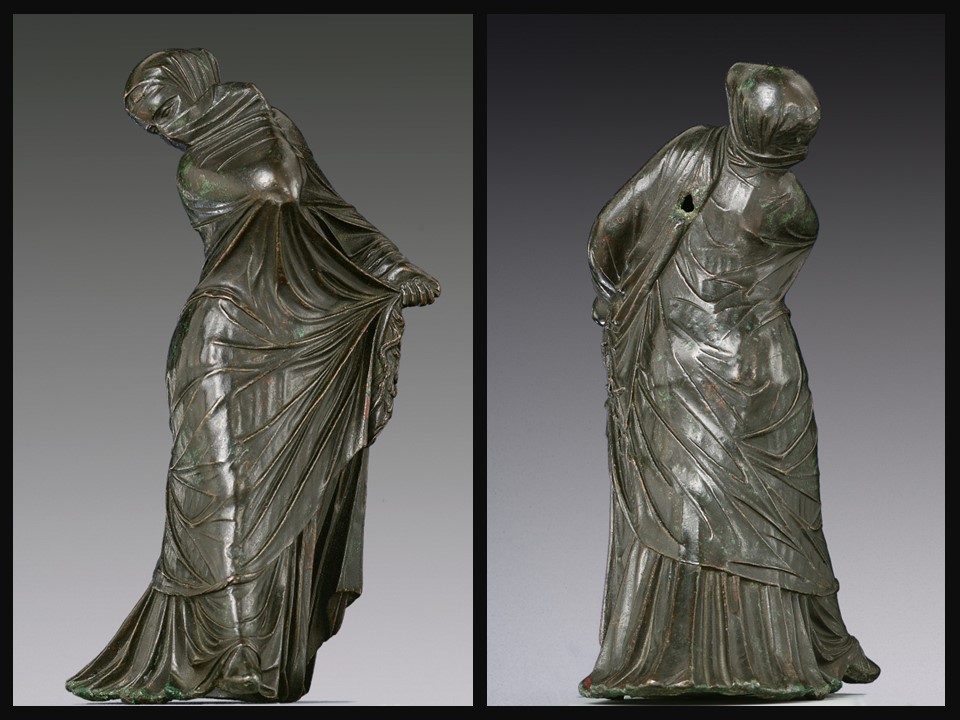
Ancient Greek Bronze statuette of a veiled and masked dancer

The Bronze Hellenistic Dancer at the MET

February 25, 2024
by Amalia Spiliakou Ancient Greek ArtArchaeologyTeaching Resources

Veiled in motion, the Bronze Hellenistic Dancer embodies the fleeting poetry of dance—an intimate, sensuous performance capturing Hellenistic grace, emotion, and the allure of movement suspended in time.
Read More
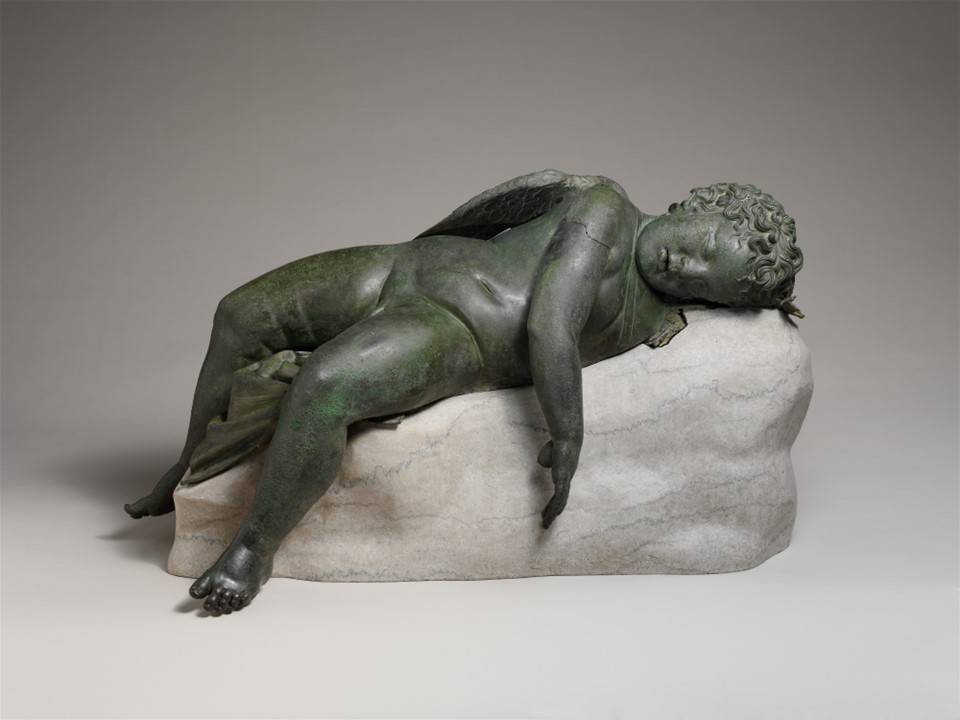
Bronze statue of Eros sleeping

Sleeping Eros

December 5, 2023
by Amalia Spiliakou Ancient Greek ArtMythologyTeaching Resources

At Sleeping Eros, love is rendered as vulnerable rest rather than force, transforming myth into intimate naturalism where divine desire becomes human, tender, and quietly suspended in sleep.
Read More
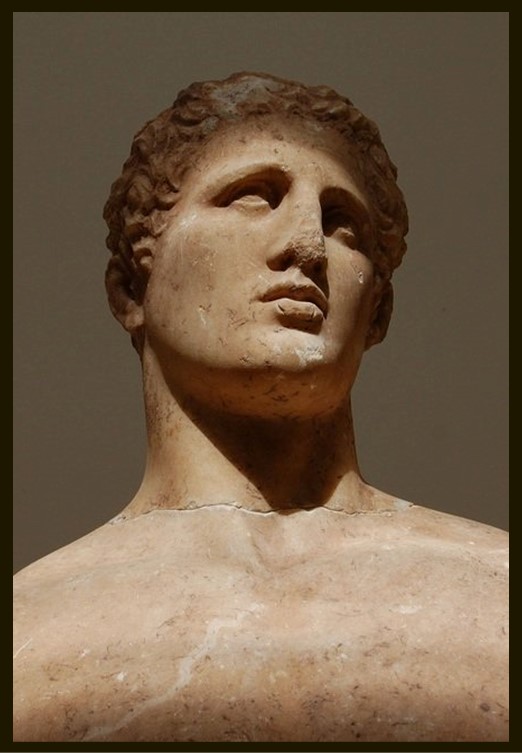
Agias, Son of Aknonios, Daochos Monument (detail), c. 336- 332 BC, Marble, Height: 2.09 m, Delphi Archaeological Museum, Greece

Agias Son of Aknonios

September 12, 2023
by Amalia Spiliakou Ancient Greek ArtTeaching Resources

Marvel at Agias of Delphi — a masterpiece from the Daochos Monument, possibly linked to sculptor Lysippos, immortalising a legendary Thessalian pankration champion with restless elegance and timeless athletic nobility.
Read More
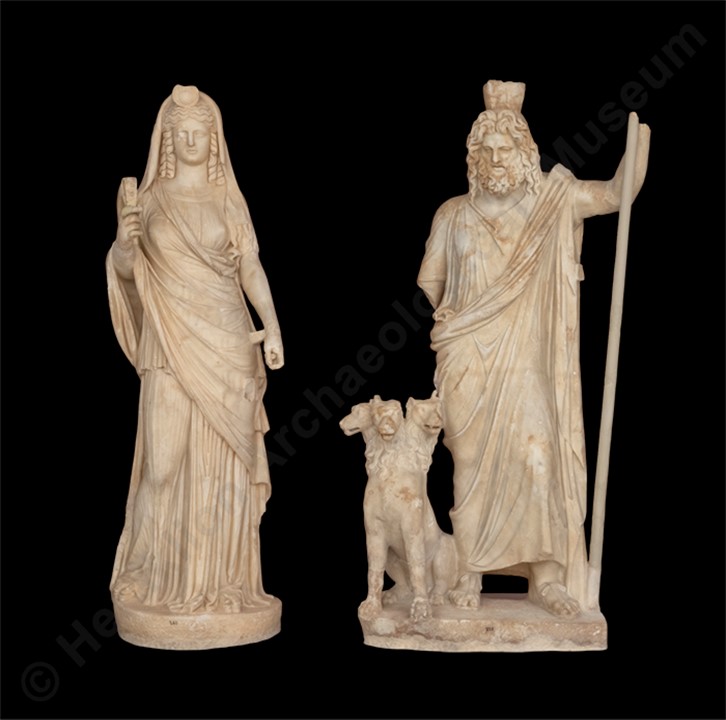
Statue Group of Persephone as Isis and Hades as Sarapis, 180-190 AD, Marble, from Gortyn, the island of Grete, Greece

Persephone as Isis and Hades as Sarapis

June 18, 2023
by Amalia Spiliakou Ancient Greek ArtMythologyRoman ArtTeaching Resources

The Gortyn statue group of Persephone–Isis and Hades–Sarapis from Crete reflects Hellenistic religious syncretism, merging Greek and Egyptian divine imagery to express shared ideas of fertility, death, and rebirth.

Read More
  • 1
  • 2
  • 3
  • Next
  • Last

Recent Posts

  • A Mountain Climber Resting
  • Master Glassmaker Ennion
  • Fujiwara Yasumasa Plays the Flute by Moonlight
  • Sunset at Constantinople by Constantinos Maleas
  • Fra Angelico’s story of the Passion

Categories

  • 18th century Art
    • Rococo Art
  • 19th century Art
    • Impressionism
    • Post-Impressionism
  • 20th century Art
    • Art Deco
    • Art Nouveau
  • American Art
  • Ancient Egyptian Art
  • Ancient Greek Art
    • Cycladic Art
    • Minoan Art
    • Mycenaean Art
  • Archaeology
  • Baroque Art
  • British Art
  • Byzantine Art
  • Early Christian Art
  • Etruscan Art
  • French Art
  • Japanese Art
  • Medieval Art
    • International Gothic Art
  • Mesopotamian Art
  • Modern Greek Art
  • Mythology
  • Newsletter
  • Prehistoric Art
  • Renaissance Art
    • Italian Renaissance Art
    • Northern Renaissance Art
  • Roman Art
  • Teaching Resources
  • Uncategorized

Teacher Curator

Art History - Education

© 2019 Company. All rights reserved.  Powered by  Phlox Theme

Shopping Basket