In Byzantine culture, bejewelled perikarpia served as symbols of status and protection — these extraordinary wristbands from Thessaloniki reveal a city’s turbulent history, buried twice to survive centuries of conflict.
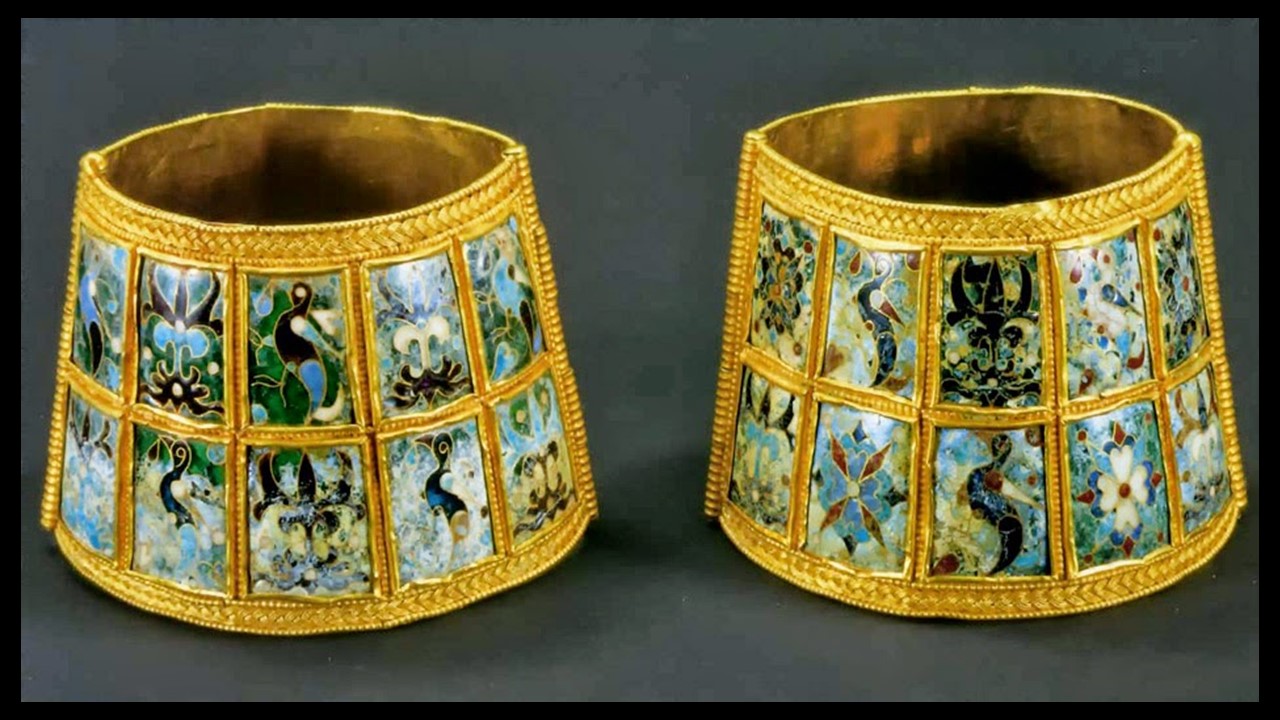
In Byzantine culture, bejewelled perikarpia served as symbols of status and protection — these extraordinary wristbands from Thessaloniki reveal a city’s turbulent history, buried twice to survive centuries of conflict.
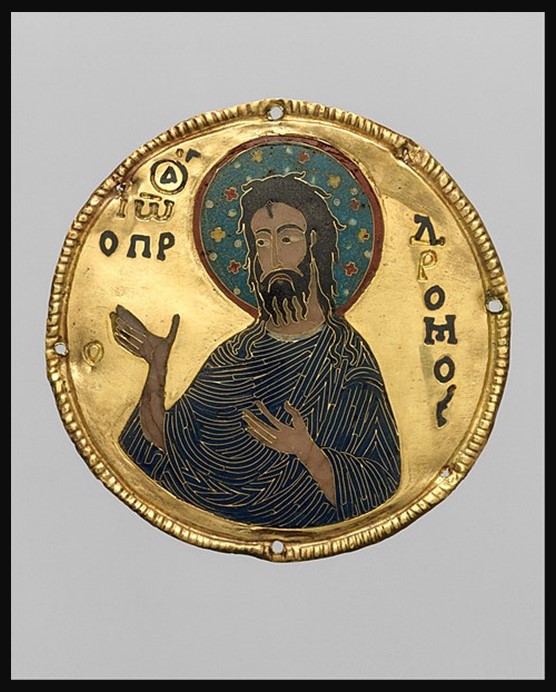
Medallion of Saint John the Forerunner reflects Byzantine devotional artistry, where gold, enamel, and sacred portraiture converge to express intercession, spiritual hierarchy, and the solemn beauty of divine mediation.
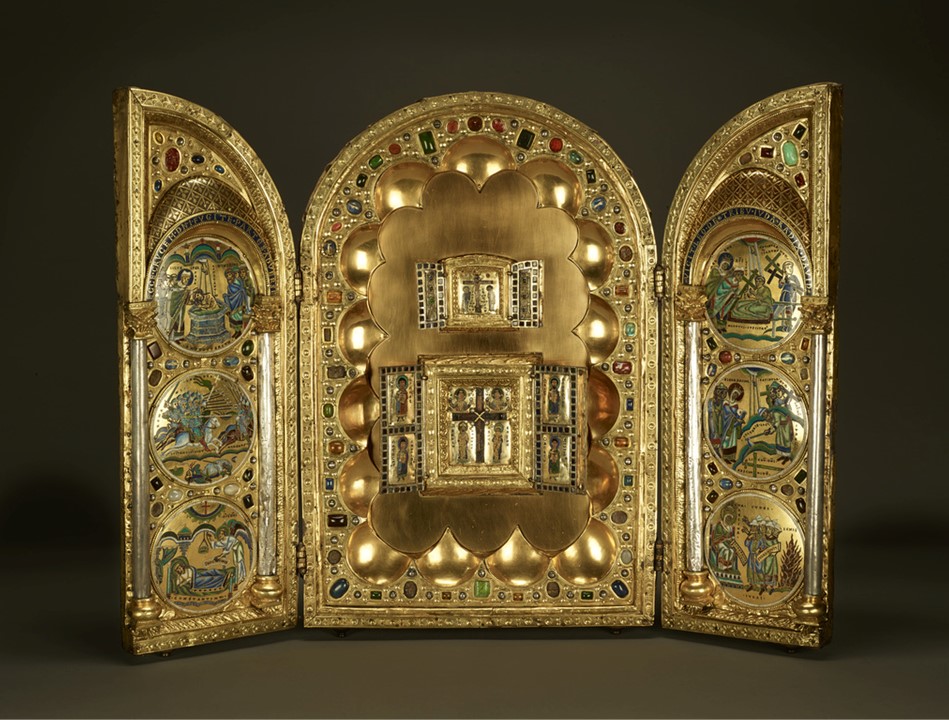
The Stavelot Triptych unites Byzantine and Romanesque traditions, blending Eastern symbolism with Western narrative, while its precious materials and relics embody artistic exchange, spiritual devotion, and the cultural dialogue of the 12th century.
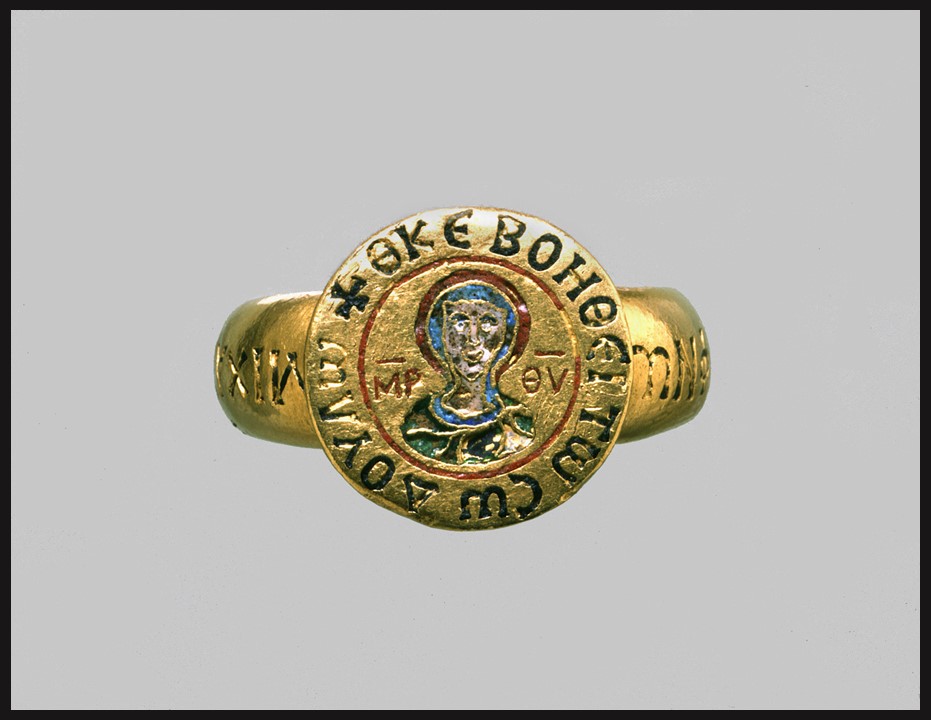
The Ring of Michael Stryphnos from the Dumbarton Oaks Research Library and Collection encapsulates Byzantine power and decline, symbolizing the troubled reign of Alexios III Angelos and the empire’s approaching catastrophe.
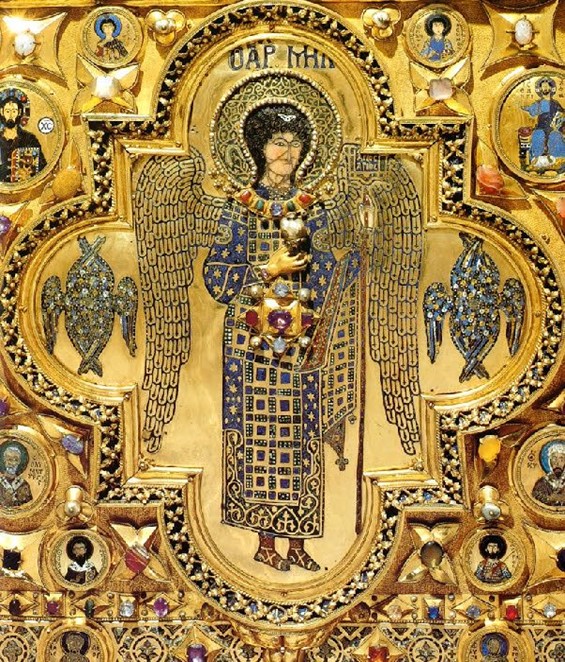
The luminous Pala d’Oro reflects Venice’s deep artistic ties with Constantinople, likely incorporating enamels from the Monastery of Pantokrator—a sacred imperial complex of devotion, charity, and dynastic memory.