Homer’s Artemis and Vermeer’s Diana and her Companions share a quiet fascination with divine femininity, hunting, and stillness—translating myth into atmosphere, where movement becomes suspended light and contemplative presence.
La Carmencita by John Singer Sargent
Sargent’s monumental La Carmencita — bold, magnetic, breathtakingly alive — immortalized Spain’s sensational dancer in swift brushstrokes so powerful, France purchased it within two years.
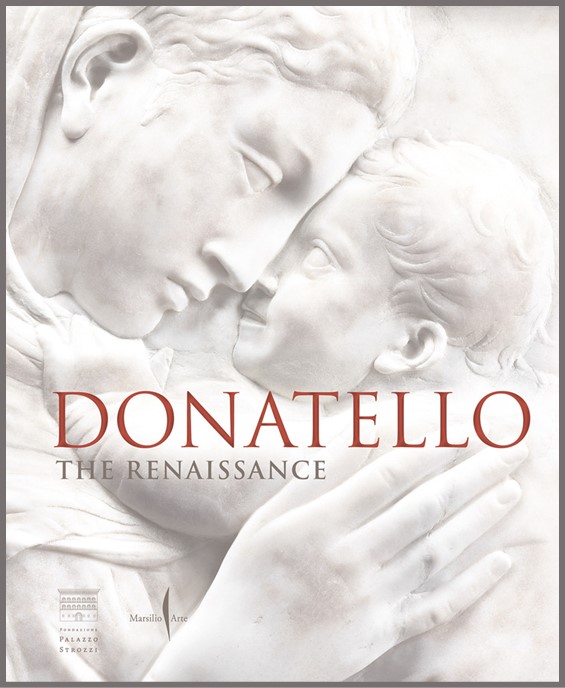
Donatello’s Pazzi Madonna
Donatello’s Pazzi Madonna (c.1420) reveals tender intimacy between mother and child, exemplifying his innovative, humanized style and groundbreaking role in shaping Renaissance sculpture.
Mother and Child by Pablo Picasso
From the Mother’s Day, Pablo Picasso’s Mother and Child (1921) at the Art Institute of Chicago presents a serene, monumental bond between mother and infant, reflecting classical harmony and emotional stability.
The Death of Socrates by Jacques Louis David
In 1786, Jacques-Louis David, inspired by Classical antiquity and Enlightenment ideals, prepared The Death of Socrates, drawing on Greek history, Italian study, and deep engagement with ancient art and theory.
The Shropshire Gold “Sun” Bulla-Pendant
Bronze Age brilliance shines in the Shropshire Gold “Sun” Pendant, a masterful object reflecting ancient beliefs, craftsmanship, and the enduring symbolic power of the sun in prehistoric Europe.
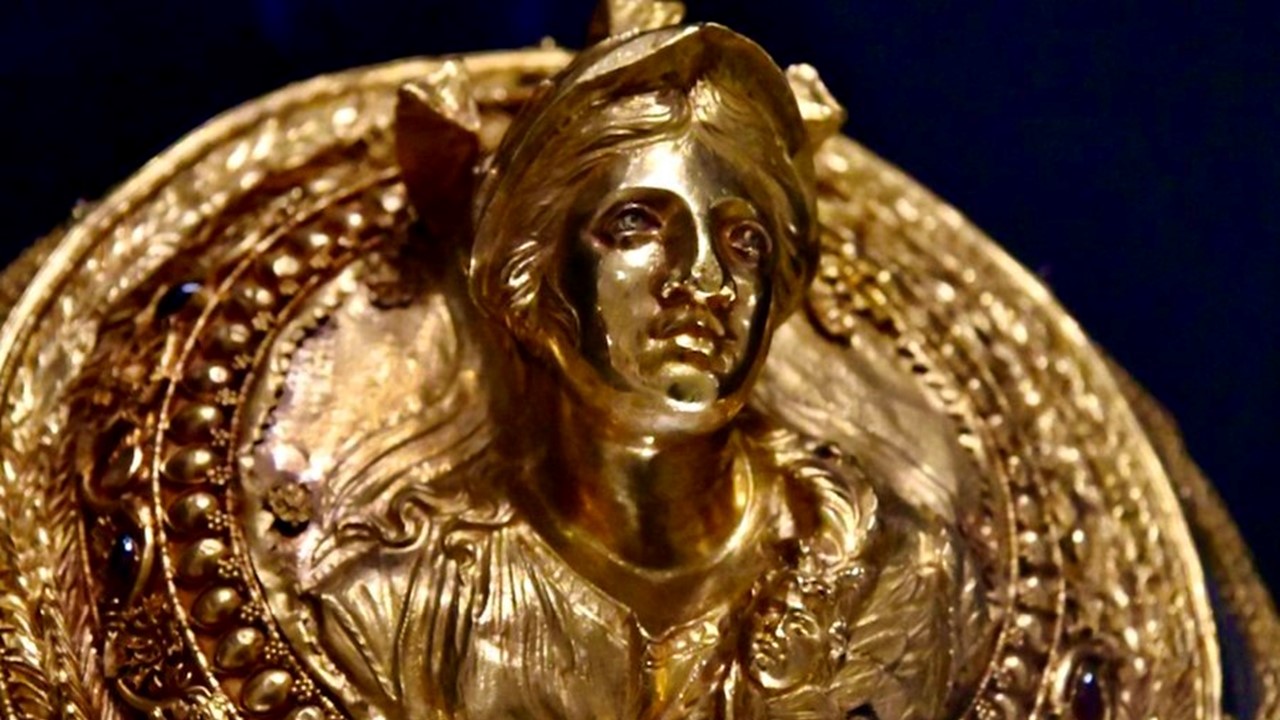
Hellenistic Golden Hairnets
The Hellenistic gold hairnet from the Benaki Museum showcases exquisite craftsmanship, centred on Athena’s medallion and intricate filigree, reflecting aristocratic luxury and the refined artistry of ancient Greek jewellery.
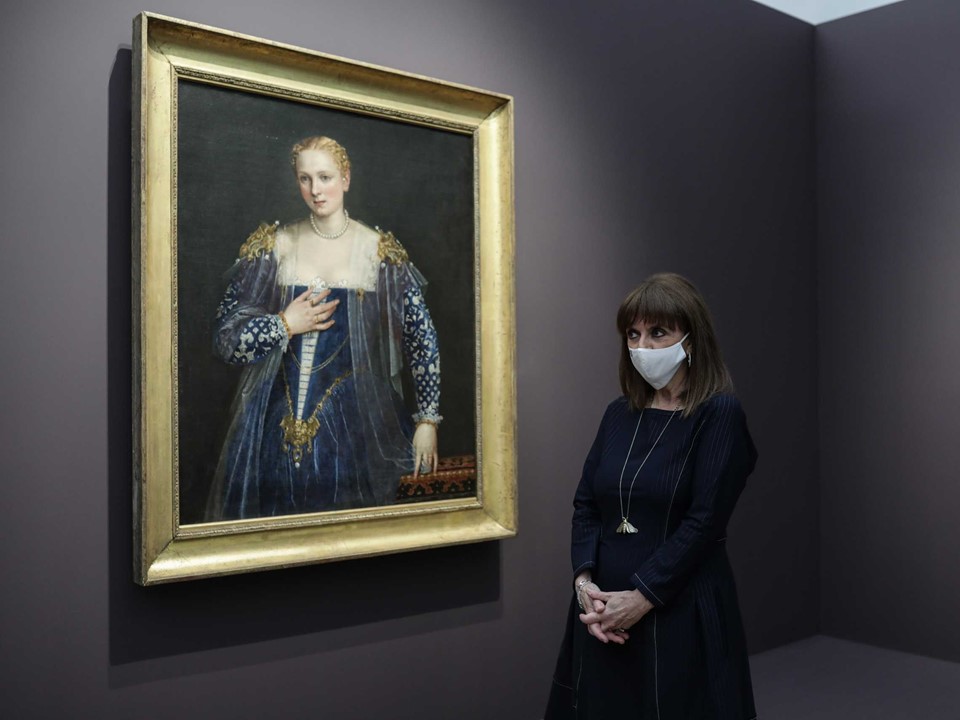
La Belle Nani by Paolo Veronese
Paolo Veronese’s La Belle Nani presents an elegant Venetian woman whose identity remains uncertain, embodying Renaissance ideals of beauty, virtue, fashion, and aristocratic status in a richly symbolic portrait.
Love of Virtue by François Lemoyne
A highlight of the Versailles “Drawings for Versailles, 20 years of Acquisitions” exhibition is François Lemoyne’s preparatory head study for The Love of Virtue, revealing the delicate transition from late Baroque grandeur to early Rococo refinement in royal artistic production.
Theseus and Antiope
The Theseus and Antiope pediment sculpture from Eretria (late 6th century BC) captures a pivotal Archaic moment of abduction, blending emerging naturalism with restrained emotional tension in early Greek monumental sculpture.