The Swing’ is a charming and unusual artifact from Minoan Crete. It’s a clay model depicting a female figure seated on a swing, suspended between two upright posts.
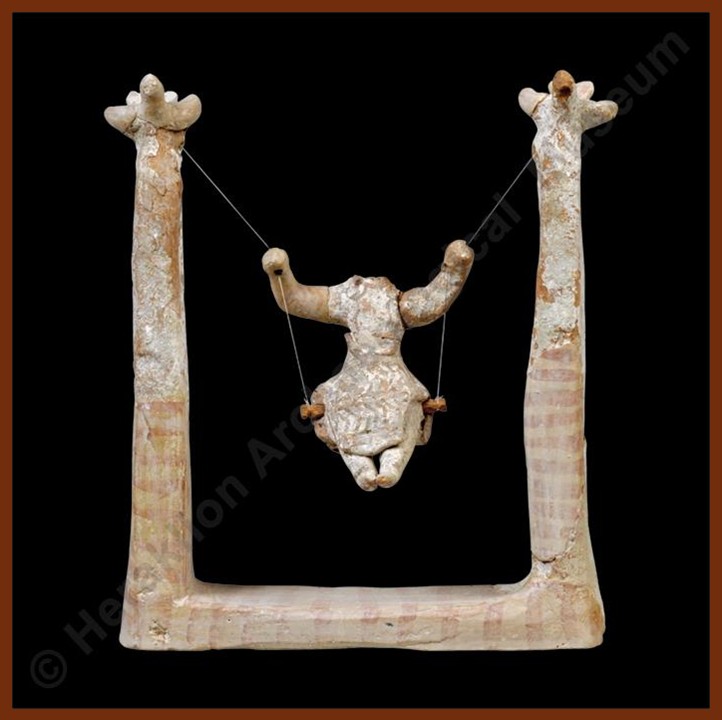
The Swing’ is a charming and unusual artifact from Minoan Crete. It’s a clay model depicting a female figure seated on a swing, suspended between two upright posts.
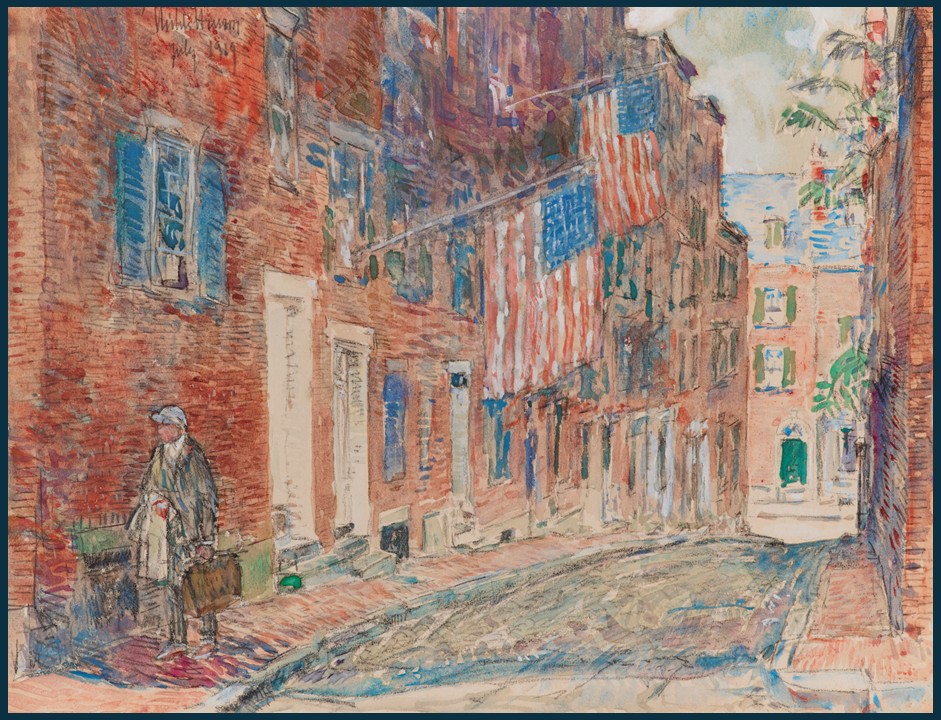
A reflective Fourth of July exploration of Childe Hassam’s Acorn Street, Boston, July 1919 and its quiet vision of American identity, history, and Impressionist light.
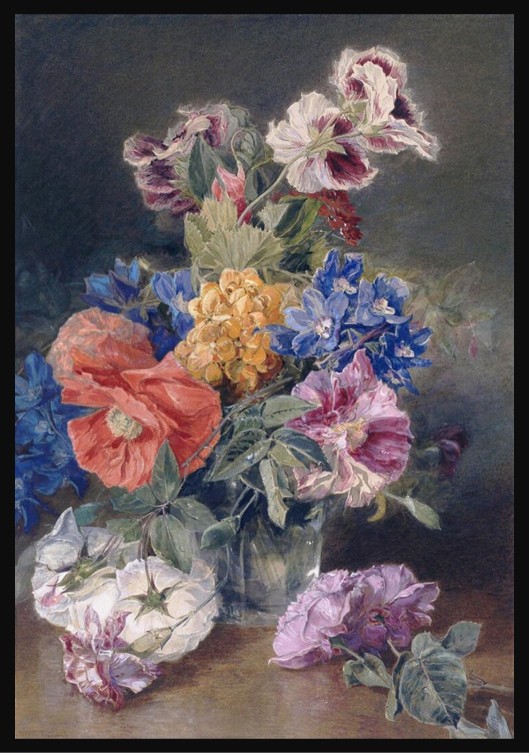
Celebrate July’s Delphinium with James Holland’s radiant 1859 watercolour, where Victorian flower symbolism, luminous colour, and the dreamer’s heart bloom together in a timeless summer bouquet.
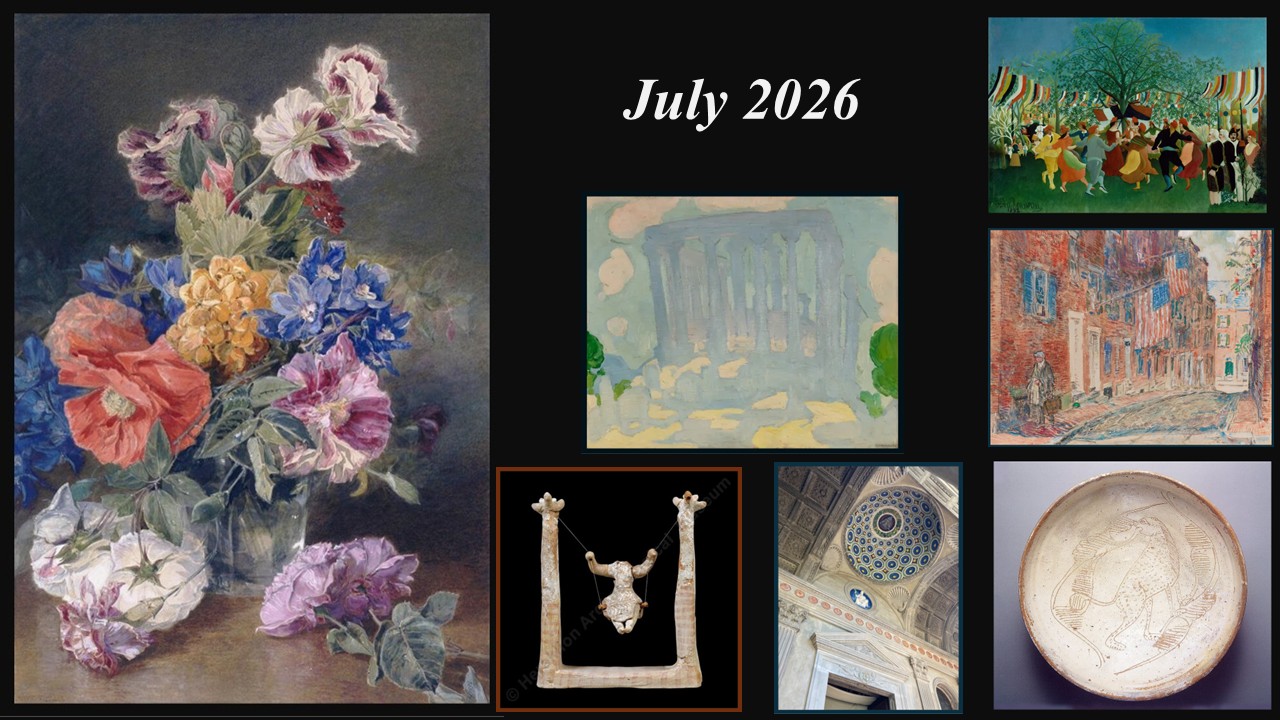
From a Minoan girl on a swing to Rousseau’s dancing Republic, July’s selections ask nothing hurried of you, only that you arrive and look a little longer.
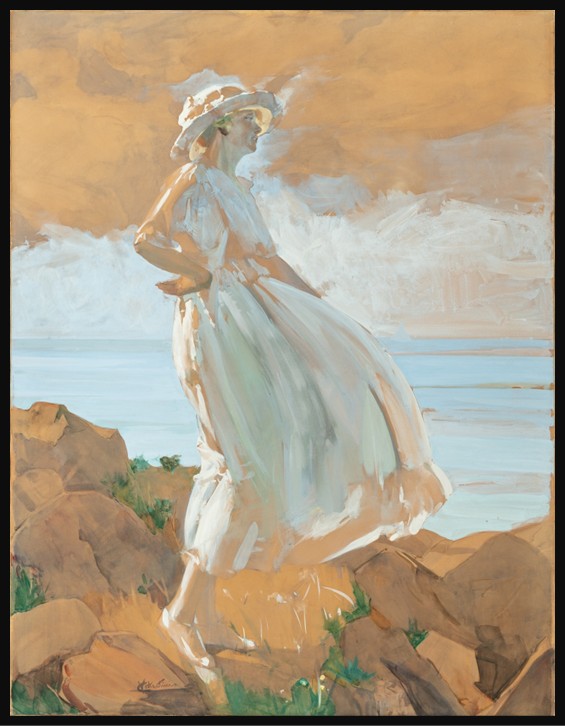
In 1936, at the height of his career, Italian painter Virgilio Costantini captured his wife on a clifftop in a gouache of rare scale, confidence, and tenderness.
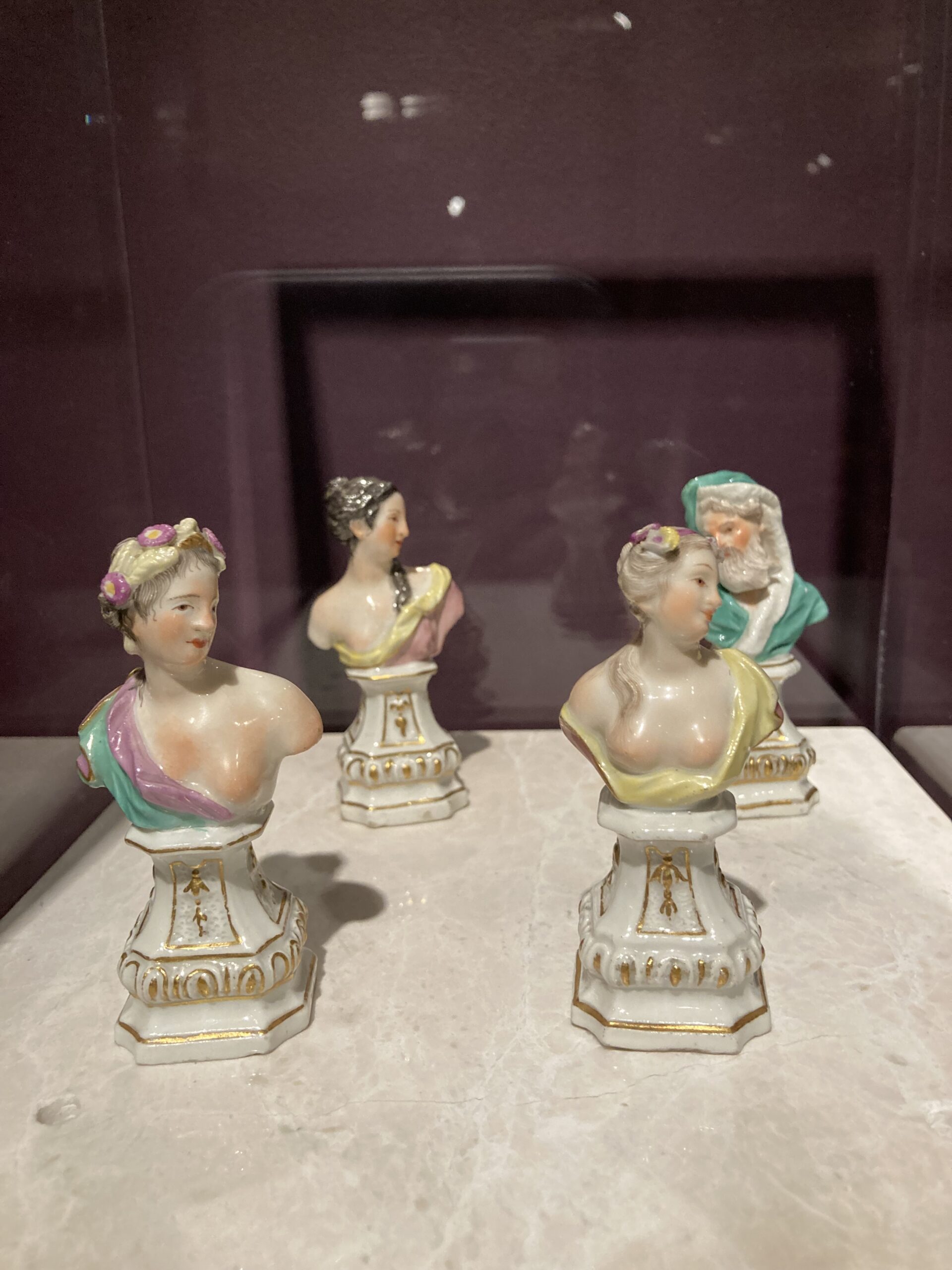
Meissen porcelain Four Seasons busts (c. 1755) reveal how 18th-century Europe visualized time through allegory, craftsmanship, and classical tradition.
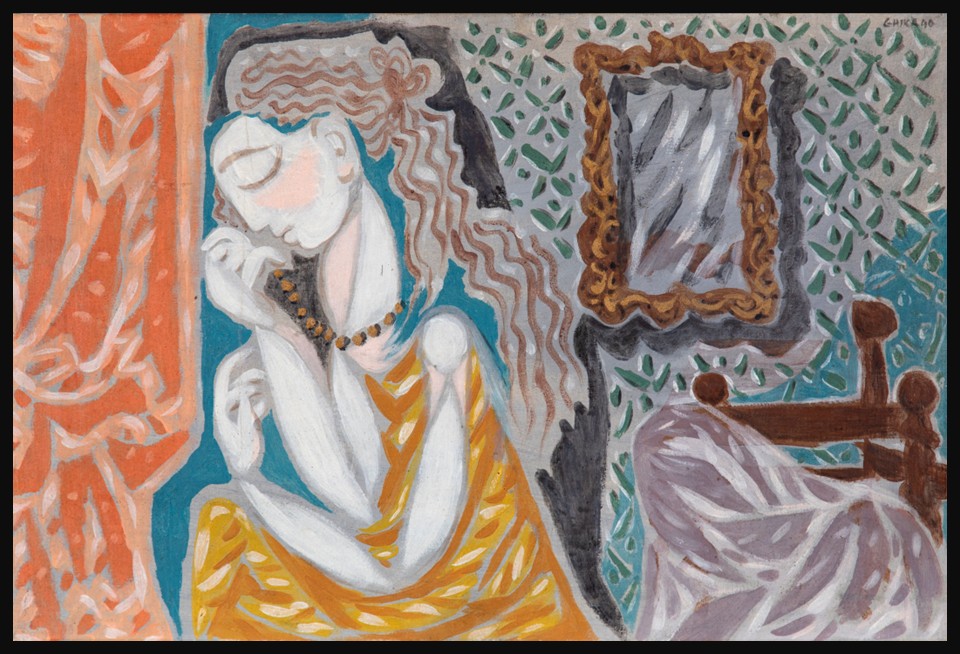
Luminous, stylish, and charged with youthful energy, Ghika’s Interior with Woman and Mirror is a masterclass in creative dialogue. Here’s how a Greek modernist absorbed the lessons of Picasso, and painted something entirely his own.
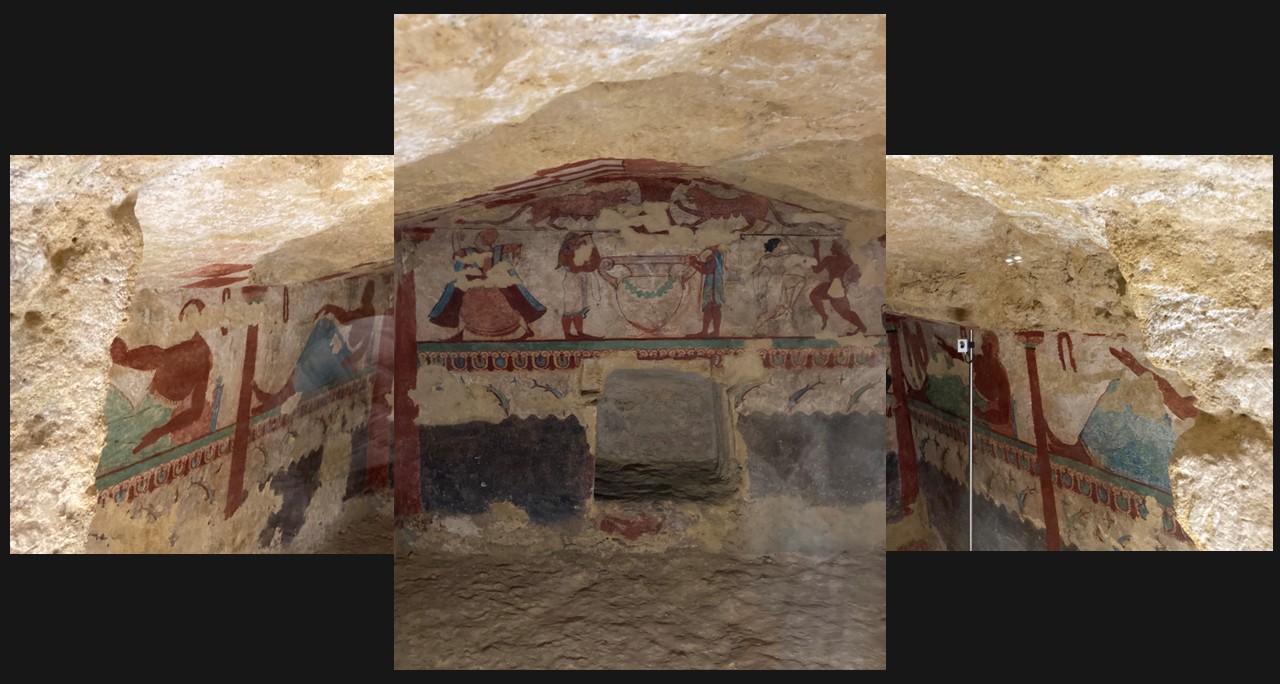
Explore the Etruscan Tomb of the Lionesses in Tarquinia, its vibrant frescoes, banquet scenes, and insights into Etruscan beliefs about life, death, and the afterlife.
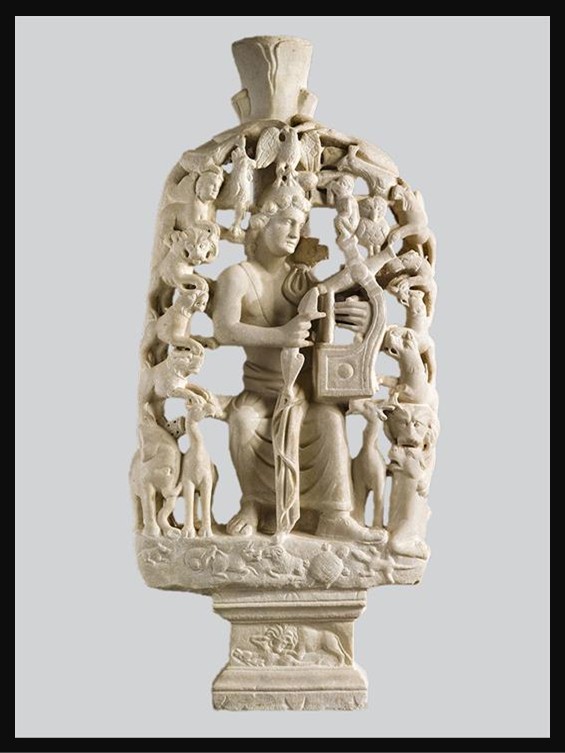
A 4th-century marble table support shows Orpheus surrounded by animals, blending myth and early Christian symbolism in a striking Late Antique work from the Byzantine and Christian Museum in Athens, Greece
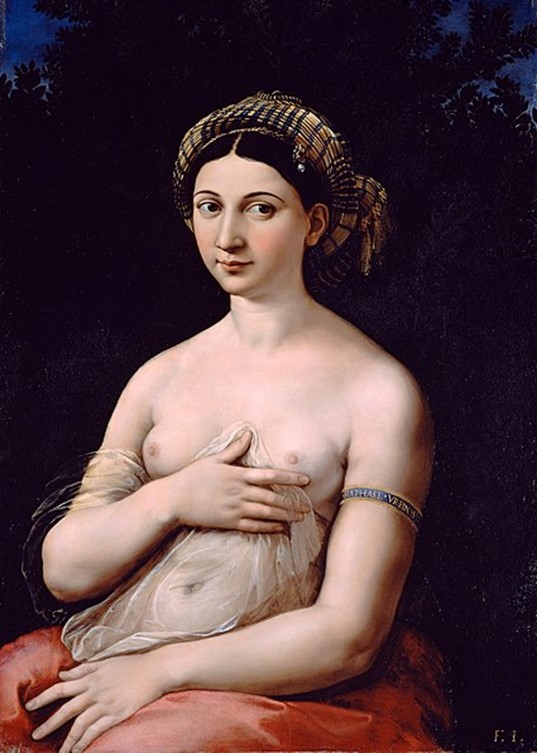
Who is the beautiful woman who modestly tries to cover herself? Raphael left clues but no answers. Five centuries on, La Fornarina remains art history’s most captivating unsolved mystery.
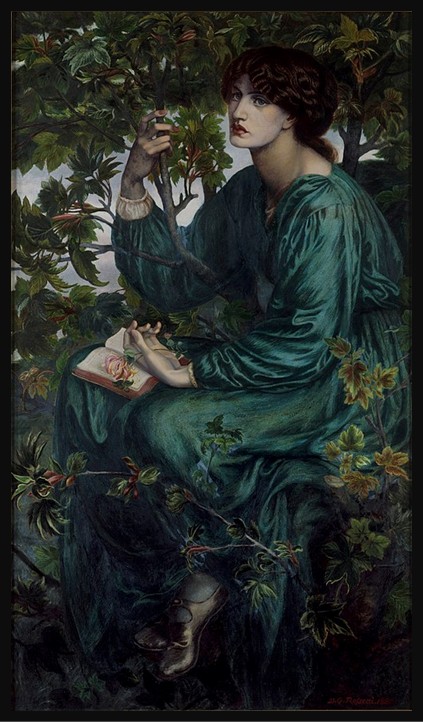
Rossetti’s The Day Dream captures Jane Morris in a moment of stillness—where symbolism, desire, and interiority intertwine within one of the most atmospheric Pre-Raphaelite paintings.
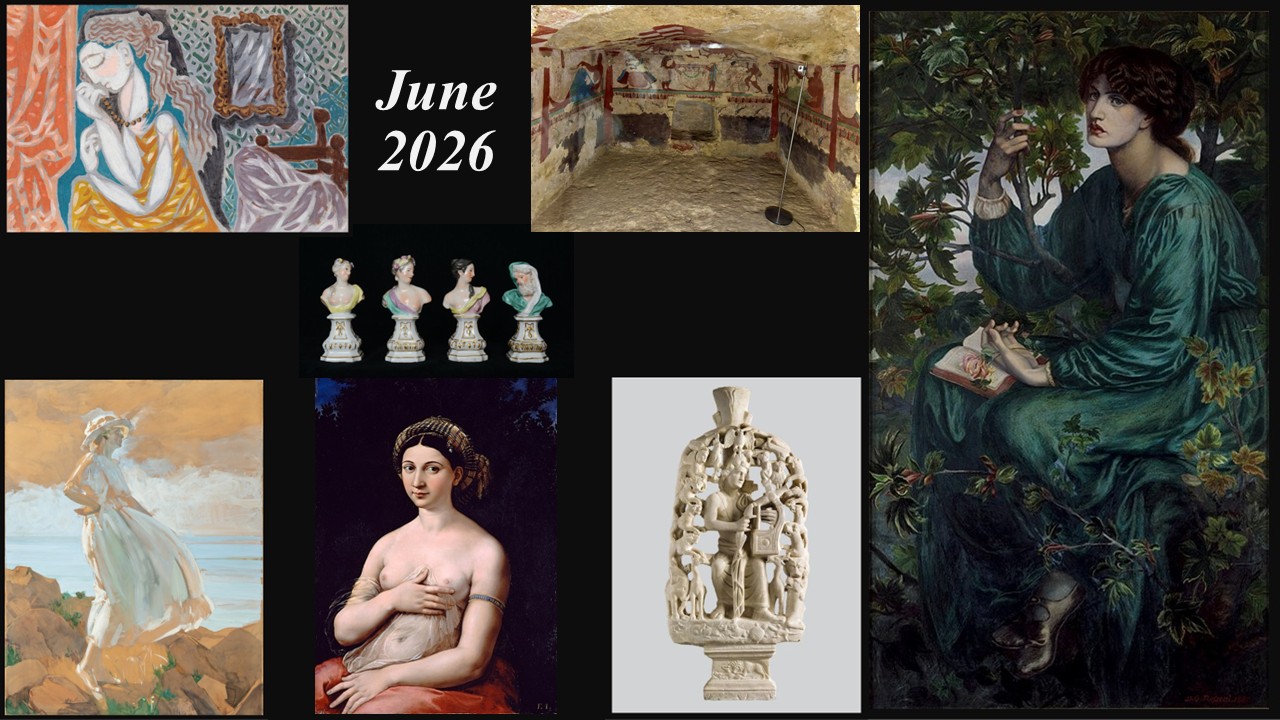
A midsummer journey through art—love, myth, mystery, and light—inviting you to slow down, look closely, and experience the richness of June’s golden, lingering days.
in conversation with Vincent ... photo by Kostas PapantoniouMy name is Amalia Spiliakou. I am an art historian and educator based in Thessaloniki, Greece, and f ...
ἓν οἶδα ὅτι οὐδὲν οἶδα… reflects my path in education, a journey grounded not in certainty, but in curiosity. Latest posts ...