A tenth-century Byzantine ivory icon of Saint Demetrios reveals the artistry, devotion, and military symbolism that made Thessaloniki’s patron saint one of Byzantium’s most revered protectors.
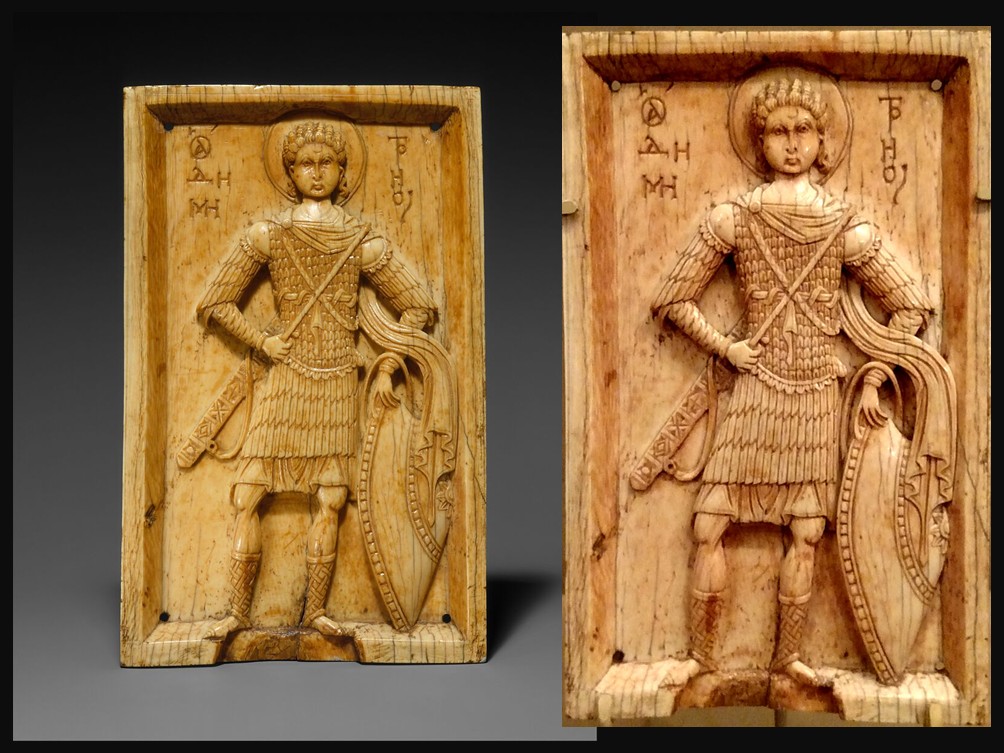
A tenth-century Byzantine ivory icon of Saint Demetrios reveals the artistry, devotion, and military symbolism that made Thessaloniki’s patron saint one of Byzantium’s most revered protectors.
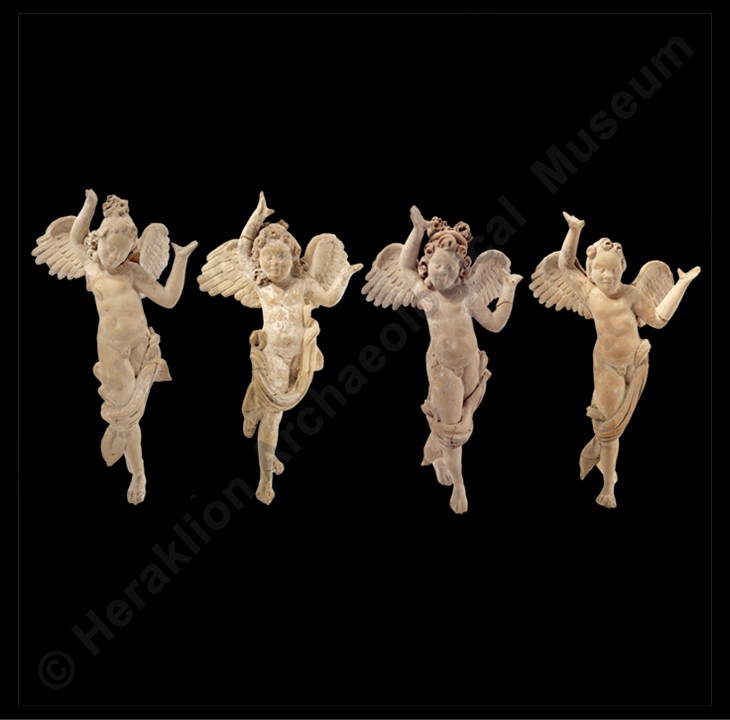
Four lively terracotta Cupids from a Hellenistic tomb at Gortyn reveal how Eros could represent not only love and play, but also eternal sleep.
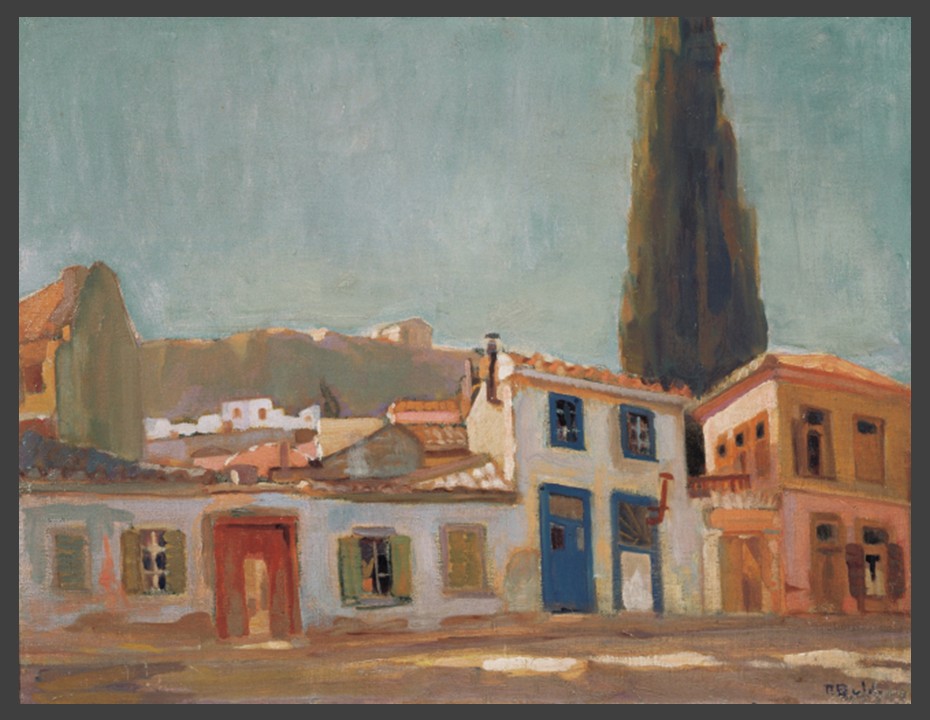
Explore Periklis Vyzantios’s The Atelier, a 1927 painting of Plaka that captures the atmosphere of old Athens and a city on the threshold of change.
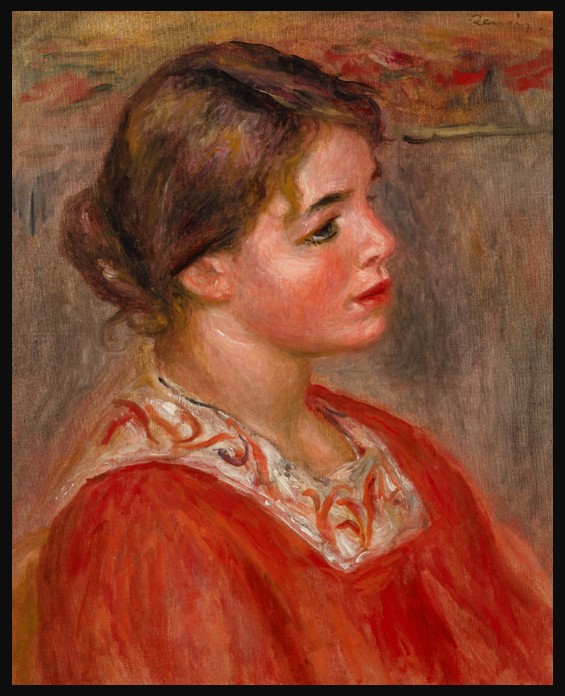
Renoir’s Femme au corsage rouge, believed to portray Gabrielle Renard, reveals the artist’s late style through intimate composition, warm colour, fluid brushwork and a striking red corsage.